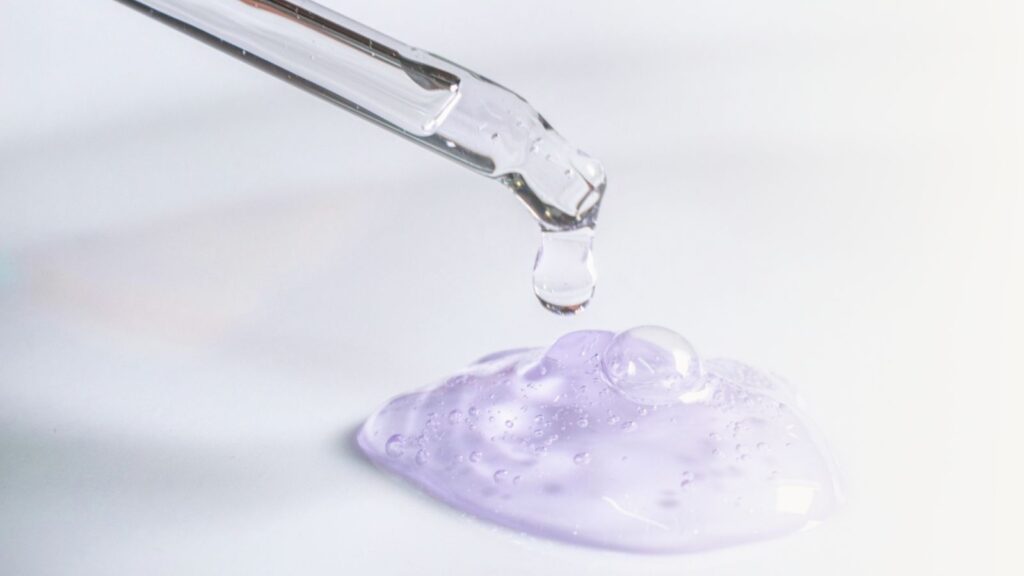
A humectant is one of the quiet workhorses of skincare — an ingredient known for drawing and holding water at the skin’s surface. This makes it a go-to building block in routines where hydration is a priority, from the most minimal to the most layered.
You’ll often find humectants in formulas like serums, moisturizers, and toners, where they contribute to a softer, more cushioned finish. Popular examples include hyaluronic acid and glycerin, which are frequently paired together to amplify hydration within a routine. Whether standing alone or blended into multiple steps, humectants serve as essentials that help set the foundation of glow.
*Some links in this glossary are affiliate links, which means we may earn a small commission if you choose to shop through them — at no extra cost to you. As an Amazon Associate, we earn from qualifying purchases. Thank you for supporting GlamourTip.
How Humectants Fit Into A Skincare Glow Routine
In a glow-forward skincare routine, humectants can play different roles depending on texture, layering and product pairing. Here are a few ways they fit in:
- LAYERING — Humectants are usually applied on damp skin and then followed with an emollient or occlusive. This order helps each step complement the next, creating a balanced routine rather than relying on a single product.
- TEXTURE & FORMAT — Humectants come in a wide range of consistencies — from light, watery liquids to thicker, cushiony gels. This variety means they can appear across product formats like serums, toners, or moisturizers without feeling limited to one category.
- PAIRING — Because they focus on hydration support, humectants are often combined with ingredients such as glycerin, hyaluronic acid, or ceramides. These blends give formulas more dimension and allow them to slot easily into different steps of a glow routine.
- ROUTINE FIT — Whether someone follows a simple two-step approach or a layered regimen, humectants adapt easily. Their versatility makes them a constant presence in both minimalist routines and more elaborate lineups that emphasize glow.
GLOW MOMENT For an on-the-go refresher, spritz a facial mist with humectants throughout the day. It keeps hydration present and adds a simple lift to your routine.
Why We Love Humectants For Glow
Humectants are versatile hydrators that can be worked into any glow routine, from the most minimalist to the most layered. Their role is to attract water and hold it at the surface, creating the feeling of lasting suppleness and refreshed texture. In doing so, they enhance the sense of moisture within a routine and help set the stage for skin that looks comfortable and balanced.

GlamourTip PICK
A humectant-leaning formula with hyaluronic acid and squalane supported by the brand’s signature purple rice blend. These ingredients give the cream its plush, moisture-drawn texture and the soft, luminous finish users often associate with glow-forward hydration. Its mix of classic humectants and comforting emollients creates a smooth, cushioned feel that layers easily in routines where you want a more refined take on humectant support.
FAQ
Can I use humectants every day?
Yes. Products with humectants are generally formulated for daily use, and they can be included in both morning and nighttime routines.
Can I mix humectants with other actives?
Humectants focus on hydration, so they usually layer well with other ingredients such as exfoliants or retinoids. As with any new combination, it’s best to pay attention to how your skin responds when layering humectants with other actives.
What is the difference between a humectant and emollient?
Both humectants and emollients are hydration-supportive ingredients often used in glow routines. Humectants attract and hold water at the skin’s surface, and they’re often found in lightweight formulas like serums and toners. Emollients, by contrast, are usually oils or lipids that sit on top of the skin to provide a cushioned, conditioned finish, making them common in creams and balms. Together, they complement one another — humectants drawing hydration in, emollients helping keep that comfortable finish in place.