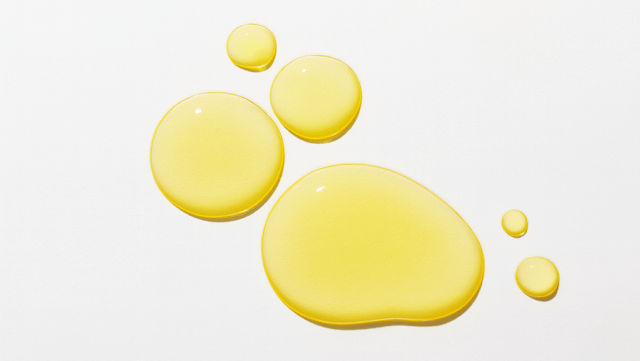
Emollients are ingredients used in skincare formulas that work by filling in spaces between lipids on the skin barrier. They are commonly used in creams, balms, and oils for the way they create a cushioned, flexible feel that works well in both barrier support and barrier repair routines.
In glow-forward skincare, emollients appear across a wide range of textures — from lightweight emulsions to richer occlusives. Their primary role is to influence how a product spreads, settles, and layers, contributing to the overall comfort and consistency of a routine without relying on active-driven effects.
*Some links in this glossary are affiliate links, which means we may earn a small commission if you choose to shop through them — at no extra cost to you. As an Amazon Associate, we earn from qualifying purchases. Thank you for supporting GlamourTip.
How Emollients Fit Into A Skincare Glow Routine
In a glow-forward skincare routine, emollients play a structural role by shaping how creams, balms, and moisturizers settle, spread, and interact with the skin barrier.
- LAYERING — Emollients create the cushioned base that helps layered steps sit more evenly without feeling abrupt or patchy. These textures often anchor routines that move between lighter hydrators and richer finishing layers.
- TEXTURE & FORMAT — Creams, balms, and oil-based products rely on emollients to achieve their slip, spread, and overall sensorial profile. These ingredients influence whether a formula lands as lightweight, silky, or richly cushioned on the surface.
- PAIRING — Emollients pair naturally with humectant steps and occlusive layers, making them easy to integrate into both simple and multi-step routines. These combinations help maintain a coherent feel when transitioning from hydration to moisture-focused formats.
- ROUTINE FIT — Emollient-rich formulas become especially relevant during colder seasons or moments when textures need to stay consistent throughout the day. They also adapt well to routines that shift between lightweight hydration and more nourishing layers without creating sudden change in feel.
GLOW MOMENT When your layers start feeling a bit sharp or quick to disappear, try adding one emollient-rich step to soften the transition between hydration and moisture. These cushioned textures often create a smoother handoff between formulas, giving the skin barrier a more settled lineup to work with.
Why We Love Emollients For Glow
Emollients support glow routines by creating the soft, cushioned textures that help light-reflective layers sit more evenly on the skin barrier. Their flexible finish helps bridge the transition between hydration and moisture, making glow-building steps — like serums, creams, and finishing layers — feel more unified and intentional. This texture coherence is what allows a glow-forward routine to look and feel smoother without relying on active-driven effects.
GlamourTip PICK
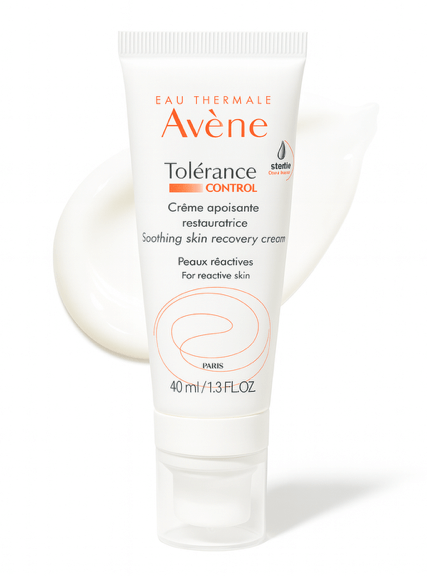
➢ Avène Tolerance Control Soothing Skin Recovery Cream
A soft, emollient-rich cream with a quiet, cocooning texture that settles comfortably on the skin without feeling heavy.The formula includes emollients like squalane, giving it a flexible, cushioned feel that fits naturally into routines needing steadier layers. Its silky finish pairs easily with hydrating gels and mid-weight moisturizers, creating a stable surface that cooperates with glow-focused steps.This kind of gentle texture works well on days when the skin barrier benefits from low-friction transitions.
FAQ
Is an emollients the same as a moisturizer in skincare routines?
Emollients are one type of ingredient used within moisturizers to influence how a formula feels and settles on the skin barrier. A moisturizer may also include humectants and occlusives, so while emollients contribute to the texture, they are not the entire category themselves.
When might my routine benefit from emollient-rich product?
Emollient-rich formulas can feel especially useful during colder seasons or moments when lighter layers disappear too quickly. Their cushioned textures help maintain a steadier presence across the moisture barrier during daily wear.
How do emollients interact with other ingredients in a glow routine?
Emollients pair naturally with hydrating steps and barrier formats, helping the transition from lightweight layers to richer finishes feel smoother. These combinations work well in routines that balance humectants, creams, and oils without relying on active-heavy stacks.
Are emollients good for oily-prone skin in a daily glow routine?
Emollients can work well for oily-prone skin when they come in lighter formats, such as squalane or jojoba oil, which tend to settle without feeling heavy. Choosing these kinds of textures helps the skin barrier maintain a comfortable surface without relying on thicker, occlusive layers.