
Calm-looking skin isn’t always balanced skin. When hydration fades within hours, foundation settles unevenly, or products that once felt comforting begin to sting, barrier disruption is often at play — especially as seasons shift or routines intensify.
GlamourTip approaches skin barrier repair through restraint, not intensity. Adding more actives or heavier layers can push skin further off course. Refining texture, weight, and sequence brings balance back — helping hydration hold longer and texture appear more even.
Here, we refine how your products sit, absorb, and support one another — restoring balance without overcorrection. With the right adjustments, calm returns, hydration holds, and your results build with clarity and control.

*Some links in this article are affiliate links, which means we may earn a small commission if you choose to shop through them — at no extra cost to you. As an Amazon Associate, we earn from qualifying purchases. Thank you for supporting GlamourTip.
Quick Guide: Skin barrier repair routine
A skin barrier repair routine restores hydration balance and reduces reactivity by simplifying formulas, correcting product order, and preventing overcorrection.
In Practice:
- Use a gentle, non-stripping cleanser
- Rehydrate immediately after cleansing
- Choose moisturizers that restore, not overload
- Seal in moisture without heavy buildup
- Simplify actives to allow skin to reset
No. 1
Start With a Non-Stripping Cleanse
A gentle cleanse protects the barrier while removing buildup.
A compromised skin barrier doesn’t respond well to aggressive cleansing. Tightness, dryness, or stinging after washing often signals that the barrier needs less friction — not more steps. This is the moment to pause anything overly foaming, exfoliating, or astringent, including high-pH formulas or essential oils.
Instead, choose a low pH cleanser that supports the skin and leaves behind a calm, cushioned feel. If you’re wearing long-wear SPF or makeup, begin with a gentle oil-based cleanser, then follow with a non-stripping water-based cleanser only if necessary. Otherwise, one thoughtful cleanse is enough while your skin barrier repair routine resets.
This step is about cleansing precisely — not intensifying.
Why it matters
The skin barrier is designed to protect. Over-cleansing can gradually disrupt that protection before the day begins. Suds-heavy or high-pH formulas may disturb surface lipids and increase sensitivity, contributing to dehydration cycles that make skin feel unsettled.
When your skin barrier repair routine begins with restraint, you give skin space to recalibrate from the first step. A gentle cleanse helps maintain balance — allowing the products that follow to sit more evenly and perform with greater consistency.
GLOW TIP If you’re beginning a skin barrier repair routine, temporarily swap any foaming or gel cleanser for a low-pH, non-stripping formula. This single adjustment often creates noticeable comfort within days.
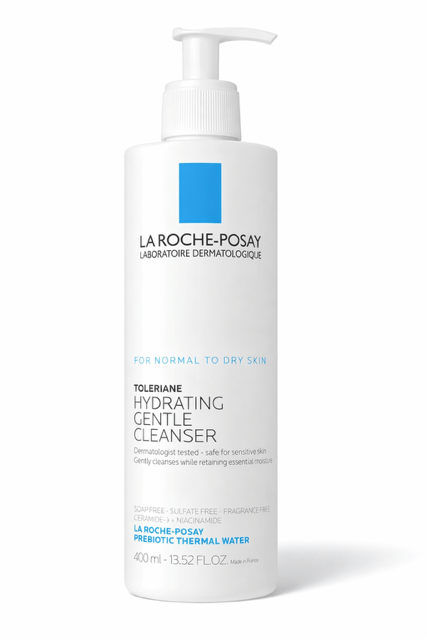
GlamourTip PICK
➢ La Roche-Posay Toleriane Hydrating Gentle Cleanser
A non-foaming daily cleanser formulated with glycerin and ceramides. Its creamy texture removes buildup while maintaining a soft, comfortable finish — making it a steady choice when your skin barrier repair routine calls for less intensity.
No. 2
Rehydrate Before You Rebuild
Water-binding layers restore comfort and prepare skin to properly receive moisture.
When your skin barrier feels unsettled, reaching for a thick cream alone rarely restores balance. Hydration works best when built in layers — beginning with lightweight, water-binding formulas that replenish before sealing.
Start here:
- Apply a humectant-rich serum (hyaluronic acid or glycerin)
- Use it on slightly damp skin
- Follow with moisturizer while skin still feels supple
This sequence improves how layers sit and absorb, creating a flexible base that keeps texture feeling steady rather than overloaded. Often referred to as hydration layering, this approach refines how products interact. Instead of relying on heaviness, you build steady support from the first layer — improving comfort and helping subsequent steps feel more cohesive.
Why it matters
When hydration slips, skin can feel tight, reactive, or thin — especially after cleansing or in dry air. Humectants don’t replace moisture on their own, but they help maintain surface water so creams have something to seal. Applying them to damp skin improves how layers absorb and settle, bringing more balance and consistency to your glow-forward routine as a whole.
GLOW TIP Apply a hyaluronic acid or glycerin serum to slightly damp skin before moisturizer. This small refinement often improves how comfortably your layers wear throughout the day.
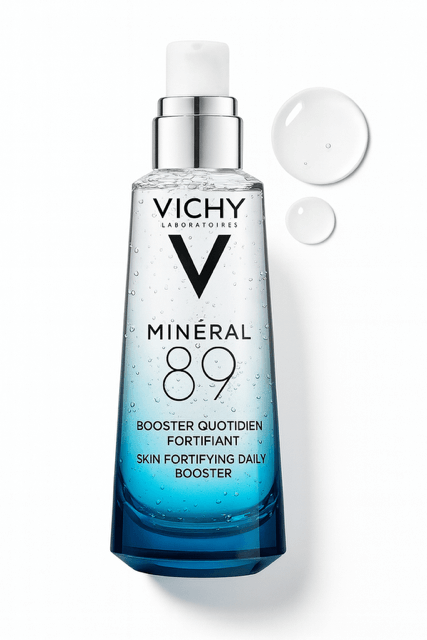
GlamourTip PICK
➢ Vichy Mineral 89 Booster, Pure Hyaluronic Acid Serum
Formulated with hyaluronic acid and Vichy volcanic mineralized water, this lightweight gel-serum delivers water-binding hydration without heaviness. Its minimal formula layers cleanly beneath moisturizers, making it an easy addition when your routine needs steady balanced support rather than more density.
No. 3
Choose Moisturizers That Restore, Not Overwork
Barrier-supportive cream should replenish and cushion — not overwhelm.
When your skin barrier feels compromised, your moisturizer becomes the stabilizing step. Rather than layering multitasking creams or trend-driven actives, center your choice around ingredients that support the skin’s lipid layer and maintaitn moisture balance.
Look for formulas built around:
- Ceramides
- Fatty acids
- Emollients
- Fragrance-free options
These ingredients help reinforce the skin’s surface so hydration doesn’t evaporate as quickly.
Texture matters just as much as ingredients — you want something cushioning enough to comfort dry or tight areas, yet breathable enough to avoid feeling heavy. A well-chosen cream should feel integrated — supporting the surface rather than coating it. In a skin barrier repair routine, this step is about restoration through simplicity.
Why it matters
The skin’s outer layer relies on lipids to help maintain hydration and resilience. When those lipids are depleted, water from earlier steps escapes more easily. Moisturizers containing ceramides and fatty acids help replenish that structure, while emollients soften and smooth the surface so hydration feels steadier.
Without this balance, even well-layered serums can feel short-lived.
GLOW TIP If your skin starts to look uneven or makeup settles more than usual, pause active treatments and prioritize a lipid-focused moisturizer before reintroducing stronger steps.
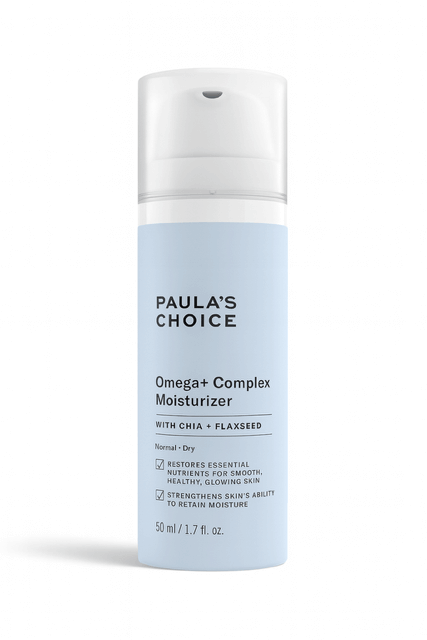
GlamourTip PICK
➢ Paula’s Choice Omega+ Complex Lightweight Face Moisturizer
This fragrance-free cream is formulates with omega fatty acids, ceramides, and shea butter. It focuses on replenishing surface lipids while maintaining a breathable, balanced texture. When your skin barrier routine calls for restoration through simplicity rather than added intensity, this moisturizer’s cushiony feel makes it a steady choice.
No. 4
Seal In Moisture Without Weighing Skin Down
The right finishing layer locks in hydration while keeping skin breathable and calm.
After hydration and lipid support are in place, the final step is containment. A thin layer of squalane or a breathable occlusive helps slow moisture loss so the layers beneath remain more consistent.
This step works best when applied lightly. The goal is balance — enough to seal, not enough to overwhelm.
Finishing Layers that tend to work well
- A few drops of squalane
- A lightweight occlusive balm
- A breathable cream applied thinly
Heavier sealing methods, including full slugging, can have their place — but during recalibration, a lighter finish often feels more steady.
Why it matters
Hydration holds more effectively when it’s sealed. Occlusives helps reduce transepidermal water loss (TEWL), but density isn’t always necessary. In recalibration phases, a lighter lipid layer can maintain balance while keeping the skin comfortable and breathable.
When chosen thoughtfully, this final layer supports earlier steps without adding unnecessary density.
GLOW TIP If your routine feels balanced until the final step, consider whether the seal is too much or too little. A breathable oil layered sparingly over moisturizer can help maintain hydration while preserving texture and flexibility.
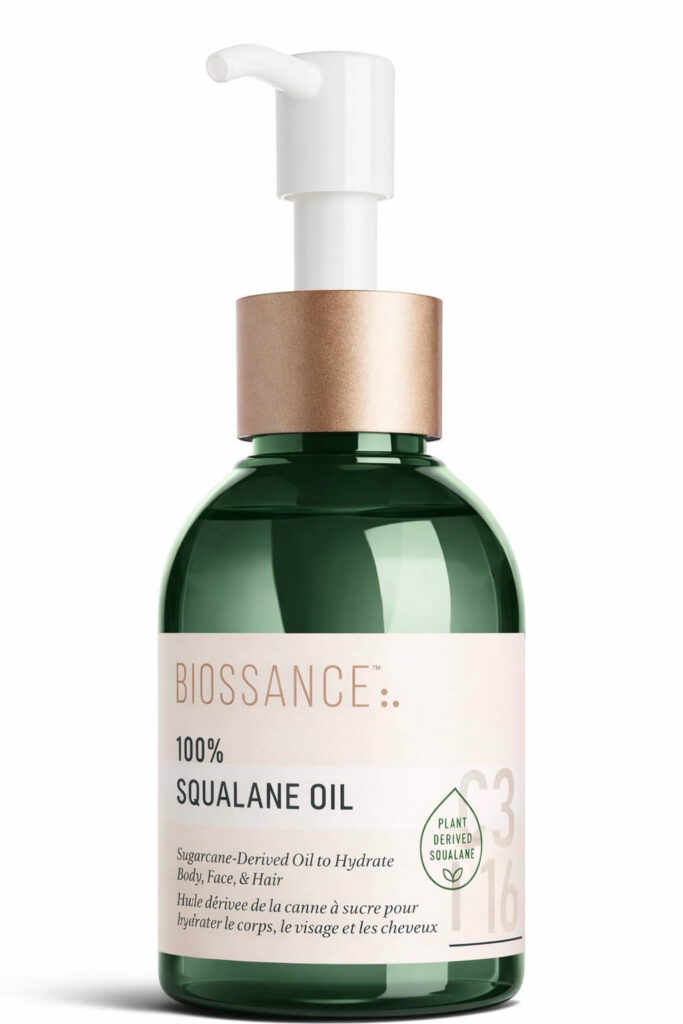
GlamourTip PICK
A lightweight, sugarcane-derived oil that mimics the skin’s own lipids, allowing it to integrate easily without creating buildup. A few drops pressed over moisturizer create a subtle, breathable seal — reinforcing hydration while keeping your routine breathable and balanced.
No. 5
Simplify The Routine to Let Skin Reset
Scaling back active overload allows the barrier time to rebalance.
Progress often unravels when too many treatments return at once. Resetting isn’t about adding new support — it’s about preserving what’s already working. During this phase, restraint becomes strategy.
Rather than expanding the routine, consider temporarily stepping back from:
- Frequent exfoliation
- Strong retinoids
- Layered brightening treatments
- Rapid product rotation
Let the simplified structure run consistently before making adjustments.
Why it matters
Rushing into full-strength treatments before your skin is truly ready can create a cycle of over-exfoliation, set off a retinoid purge, or undo the repair work you’ve already done. Even familiar actives can be irritating if your skin is still vulnerable underneath.
Consistency allows hydration and lipid support to stabilize. When the routine remains steady, results tend to hold longer.
GLOW TIP If your routine feels steady but your skin still looks slightly unsettled, try switching your usual moisturizer to a mineral rich protective cream. A steadier finishing layer can help maintain comfort while the rest of the routine remain simple and consistent.
GlamourTip PICK
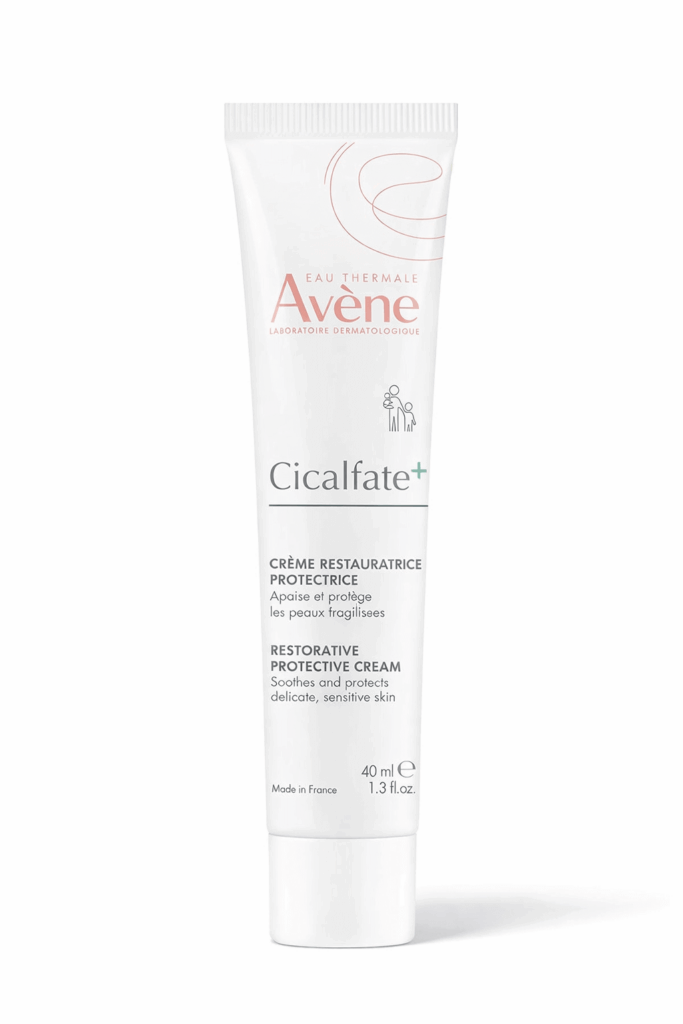
➢ Avène Cicalfate+ Restorative Protective Cream
A creamy, balm-texture formula that feels rich without heavy occlusion, making it easy to layer over hydrators or lighter moisturizers. The cream’s texture sits comfortably as a final layer in a simplified routine, which fits well on days when over-exfoliation has made layering less predictable. It integrates smoothly with the end of routines focused on barrier support or repair, giving earlier steps a settled surface to rest beneath.
Final Thoughts: Skin Barrier Repair Routine: How to Restore Calm, Balanced Skin
A steady barrier returns when the routine becomes predictable again. Gentle cleansing, layered hydration, lipid support, and a light seal create a structure the skin can settle into. As we approach barrier resets at GlamourTip, the focus stays on refining how products sit and interact rather than adding more to correct what feels off. When adjustments slow down and the routine remains consistent, balance holds and your skin begins to look even, comfortable, and composed.
Continue Your Glow Path
Current Stage: Balance (II) · Stabilize
START HERE
Awareness (II) · Learn

EXPLORE ON
Balance (II) · Stabilize
The Glow List: Hydrating Serums for Dehydrated Skin That Still Feels Dry
LEVEL UP
Balance (III) · Strengthen

The Glow-sophy of Barrier Support: Building Long-Term Barrier Strength Through Strategic Layering
Glow doesn’t end here — it evolves. Keep building it, your way.