
Skin tints and tinted moisturizers might live in the same aisle — but what they bring to a glowing makeup look can be surprisingly different. One leans sheer and serum-like. The other brings hydration with a side of coverage. Mix them up, and your finish might end up fighting your glow instead of enhancing it.
The difference ins’t just in texture or tone. It’s how they behave in a full routine, layer with SPF, and settle throughout the day. Here’s how to decode skin tints vs. tinted moisturizers — and why it’s often your skin’s needs, not just your product’s name, that should decide what goes on first.
*Some links in this edit are affiliate links, which means we may earn a small commission if you choose to shop through them — at no extra cost to you. As an Amazon Associate, we earn from qualifying purchases. This content is for informational purposes only; please consult a professional before making changes to your routine.
GLOW PATH STAGE
Awareness (I) · Discover
No. 1
Skin Tints vs. Tinted Moisturizers: How to Tell Which One You’re Using
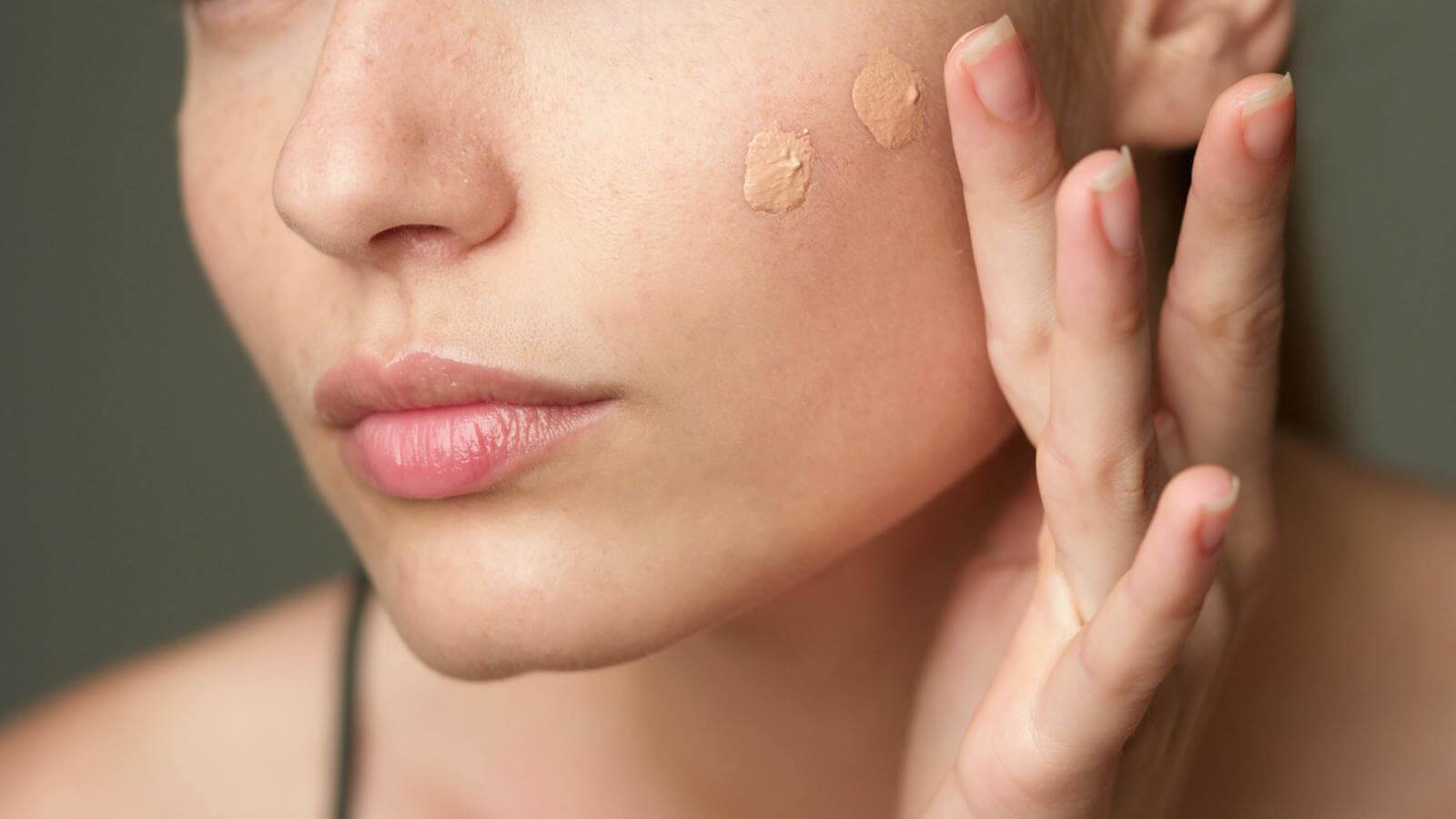
When you’re holding a tube that promises glow and a hint of color, the real question is: how does it behave once it hits your skin? Skin tints tend to disappear on contact — sheer, fluid, almost like a serum with a whisper of pigment. They’re made to even, not cover. Tinted moisturizers, meanwhile, feel creamier, often with a soft slip that lingers. You might notice more moisture, more stretch, and a finish that sits longer before fully settling in.
One isn’t necessarily heavier — but the way they wear gives them away.
Why it Matters
It’s not just about choosing between lightweight and luminous — it’s about choosing the right base for what your skin actually needs that day. If your skin feels dry or tight before makeup, a tinted moisturizer can double as comfort and color. If your current glow routine is already stacked with layers and hydration, a skin tint might be all you need to bring everything together without tipping into too much.
A NOTE
When in doubt, choose a skin tint for sheer, buildable coverage that feels like nothing is on — and a tinted moisturizer when you want hydration and tint in a single step.
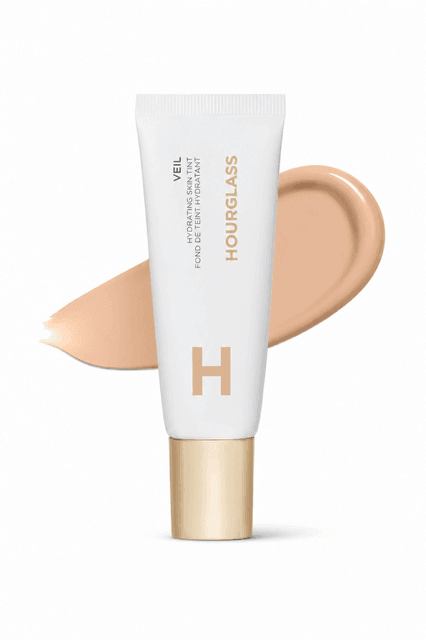
A buttery-soft tint that smooths on like skincare and visually softens uneven tone. Its balmy texture creates a light, flexible finish that layers well without looking patchy or flat. This formula sits in that rare in-between zone: it’s richer than a typical tint, but weightless compared to most tinted moisturizers — making it a go-to for glow layering without heaviness.
No. 2
How to Tell If Your Tinted Base Is Skincare-First or Makeup-Driven
When a product walks the line between skincare and makeup, where it started often tells you where it’s going. Skin tints usually come from brands with skincare roots — think sheer, flexible formulas that feel more like a serum than a base. They’re made to move with your skin, not mask it. Tinted moisturizers, on the other hand, tend to come from makeup-forward lines. Even the dewy ones still offer a bit more coverage, a little more grip, and sometimes a finish that leans closer to foundation than you’d expect.
It’s not just texture — it’s the intention.
Why it Matters
Whether your tinted base was born from a serum lab or a studio palette changes how it plays with skin. Skincare-first tints usually wear sheerer and fluid — designed to blend in, not build up. Makeup-driven versions tend to show up stronger, with more pigment and structure, even if the finish still looks minimal.
Knowing the product’s origin helps you predict how it layers, how it sits with SPF or other skincare, and how it holds up through the day.
A NOTE
Reach for a tinted moisturizer when you want a one-step that hydrates, evens, and wears well on bare skin days.
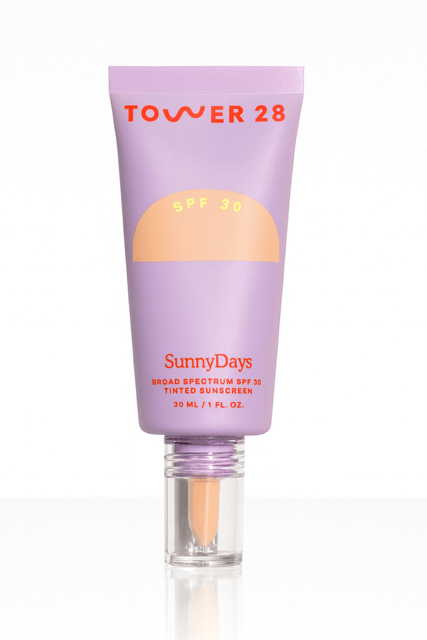
A breathable tint with skincare energy — designed for laid-back days, light layering, and glow-first routines. The creamy texture blends without skipping or clinging, and the finish leans dewy without slipping into shine. It’s the kind of base that feels at home in a no-makeup lineup, especially when your skin wants to keep things easy.
No. 3
How Long Should Your Tinted Base Actually Last
When it comes to how your tinted base behaves over time, the difference often shows up by lunch time. Skin tints tend to fade evenly and naturally — ideal for warmer days or oilier skin types. Tinted moisturizers, especially richer ones, may hold longer but can feel heavier or shift more with added layers. It’s not just about how the formula looks on first swipe — it’s how it settles, softens, or seperates as the day goes on.
Why it Matters
The wear pattern of your base can hint at how emollient or sheer the formula really is — and whether it plays well with your skin’s natural rhythm. Skin tints often feel more flexible but may require midday touch-ups. Tinted moisturizers, especially those with richer textures, can feel more emollient upfront but might settle differently on dry zones or slip on oil-prone areas. Either way, noticing how your base evolves tells you more than the label ever will.
A NOTE
If your skin runs warm or dewy by mid-morning, go with a soft-focus skin tint that holds up without extra blotting.
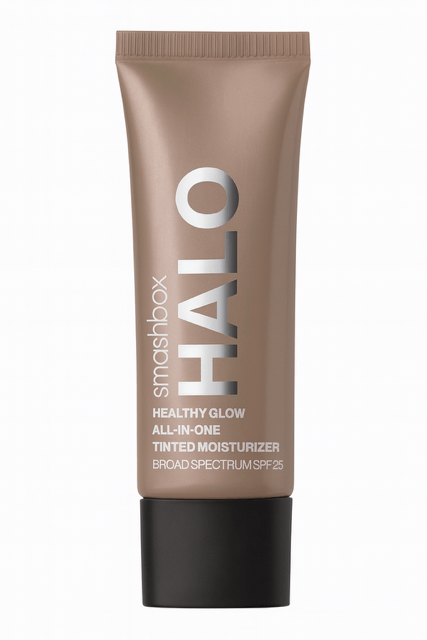
The creamy-meets-fresh pick with a natural finish that’s more present than sheer. This one leans subtly makeup-first, but still blends in with the ease of a moisturizer. The texture has just enough emollience to smooth over drier areas while maintaining a breathable feel throughout the day.
No. 4
What Are the Best Ways to Apply Skin Tints and Tinted Moisturizers
Even the most glow-enhancing formulas can fall flat without the right technique. Skin tints usually have a fluid texture that pairs best with fingertips or a dense brush to help them settle smoothly. Tinted moisturizers often lean creamier and more emollient, giving you more flexibility to blend with fingers, sponge, or brush — depending on how much coverage you want.
Why it Matters
How you apply a tinted base shifts not just coverage, but how seamlessly it settles into skin. Fingers tend to enhance that natural, second-skin effect. A brush, offers more structure and control — helpful when layering over skincare. And a sponge? It can diffuse pigment for an even softer, blurred look, though it may absorb more product in the process.
A NOTE
For layering a fuller-coverage product, use fingers for the sheerest finish, and a dense brush for light coverage with polish.
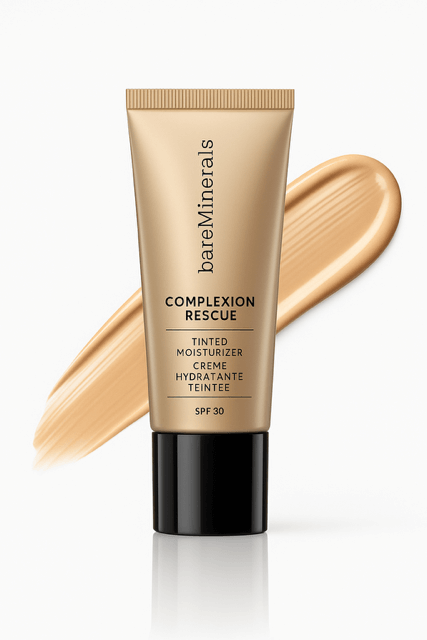
A cream-gel formula that merges hydration and pigment in equal parts — somewhere between a skin tint and a glow-giving base. It blends effortlessly with a brush, fingers, or a sponge and settles into a finish that feels more like skin — with a fresh, soft-lit glow.
No. 5
Skin Tints vs. Tinted Moisturizers: Which One Belongs in Your Makeup Glow Routine?
Think of skin tints as your off-duty glow — breathable, flexible, and barely detectable. They’re the swipe-and-go option when you want skin to look like skin. Tinted moisturizers step in when your skin needs more from the base itself: a little moisture, a little evening out, a little barrier comfort. One feels like an accessory. The other feels like a fallback plan that still lets you glow.
Why it Matters
Glow isn’t a one-size-fits all. Skin tints excel at that second-skin effect, especially when you’re keeping things light and low-lift. Tinted moisturizers shine when you’re multitasking — reaching for hydration, eveness, and SPF in one go. Keeping both in rotation lets your base align with what your skin actually needs that day.
A NOTE
When it comes to skin tints vs. tinted moisturizers, keep both in rotation — one for polished no-makeup days, the other for skincare-packed coverage.
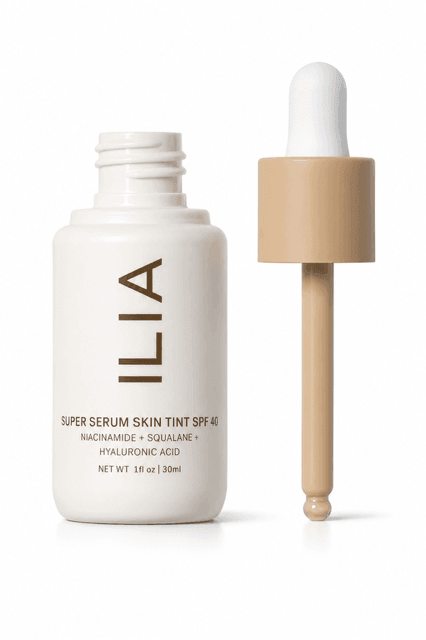
A sheer, glow-enhancing base with a dewy finish and skincare-forward feel. Its fluid texture melts into skin like a serum, delivering lightweight coverage that pairs well with minimal routines — especially on bare-faced days when a little SPF goes a long way.
Final Thoughts: Skin Tints vs. Tinted Moisturizers
Skin tints and tinted moisturizers both have a place in glow-focused routines — just not always at the same time. The difference comes down to what your skin needs: flexibility or support, minimalism or multitasking. Once you know the role each one plays, the choice becomes less about trend and more about timing.
For a more balanced, refined finish across different conditions, explore the Luster Selection.
Continue Your Glow Path
Current Stage: Awareness (I) · Discover
START HERE
Awareness (II) · Learn
LEVEL UP
Balance (I) · Reset
Glow doesn’t end here — it evolves. Keep building it, your way.