
Barrier strength is shaped over time by how consistently skin is supported. Cleansing, environmental exposure, and active formulas all place steady demand on moisture retention and balance – making the way layers work together central to long-term resilience.
At GlamourTip, this perspective is part of Glow-Sophy — our approach to treating skincare as something strengthened progressively rather than corrected reactively. Barrier support isn’t reserved for moments of visible irritation — it’s an ongoing commitment to keeping skin steady and resilient through change.
This guide breaks down how strategic layering builds long-term barrier strength, helping you refine placement and texture so support compounds overtime — and skin maintains clarity, even tone, and steadiness with greater consistency.

*Some links in this edit are affiliate links, which means we may earn a small commission if you choose to shop through them — at no extra cost to you. As an Amazon Associate, we earn from qualifying purchases. Thank you for supporting GlamourTip.
Quick Guide: Strategic Layering for Barrier Strength
Strategic layering is the intentional order and placement of skincare so each layer reinforces barrier support over time.
In Practice:
- Apply hydration to damp skin to anchor moisture early
- Allow each layer to absorb fully before applying the next
- Adjust moisturizer weight to match seasonal demand
- Reinforce high-exposure areas with targeted occlusion
- Sequence active formulas to maintain tolerance and stability
No. 1
Layering Sets the Structural Foundation for a Stronger Barrier
The order of your products determines how effectively hydration & moisture reinforce barrier strength.
Barrier support is reinforced through sequence. The order of hydration, moisturizer, and reinforcement layers determines how effectively skin builds long-term strength. When layers are positioned with intention, they integrate more seamlessly — allowing support to fortify rather than fragment.
This is where barrier support shifts from maintenance to fortification. Hydration establishes the base, moisturizer stabilizes it, and reinforcement layers strengthen its ability to withstand environmental demand. The structure beneath the surface defines how resilient skin becomes.
Structural Layering Strengthens the Barrier By:
- Creating cohesion between textures
- Supporting moisture retention without excess weight
- Allowing reinforcement layers to integrate fully
- Building durability through compatibility, not volume
Why it matters
A barrier built through strategy performs differently. When the foundation is reinforce early, skin adapts more efficinetly to climate shifts, active use, and daily exposure — increasing resilience without cycling between strength and recovery.
A NOTE If hydration feels short-lived, revisit placement before increasing volume. Apply a fluid layer to damp skin and allow it to settle fully before moving to creams. Early placement anchors moisture so subsequent layers reinforce rather than compensate.
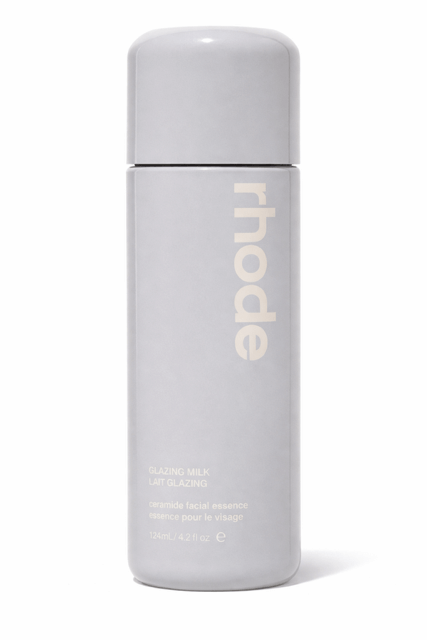
THE LUSTER SELECTION
➢ Rhode Glazing Milk Ceramide Facial Essence
A lightweight, milky essence designed to introduce hydration early in the sequence. Its fluid texture layers easily without weight, making it well-suited for anchoring moisture before creams or reinforcement steps. Used at the foundation stage, it helps establish the structure that later layers build upon.
No. 2
Hydration as the First Layer of Support
Strategic hydration creates the base that every strengthening layer builds upon.
Hydration is the first structural decision after cleansing. In a barrier support routine, this step does more than just introduce moisture — it determines how subsequent layers integrate. When applied early and evenly, fluid textures create a surface that allows creams and reinforcement layers to settle without resistance.
Light, pliable hydration establishes rhythm. It defines how slip, cushion, and absorption behave across the rest of the sequence. When this layer is placed with intention, moisturizer weight feels calibrated rather than heavy, and strengthening steps reinforce rather than compensate.
why it matters
The first layer sets the standard for everything that follows. If hydration is rushed, overly dense, or poorly positioned, later textures can feel misaligned. When it is balanced and allowed to absorb fully, each layer interacts more predictably — strengthening barrier support through cohesion rather than volume.
A NOTE After applying your first water-based product, give that moisture something to settle into before moving straight to cream. A lightweight serum can act as a stabilizing hydration layer — helping moisture feel more sustained rather than surface-level.
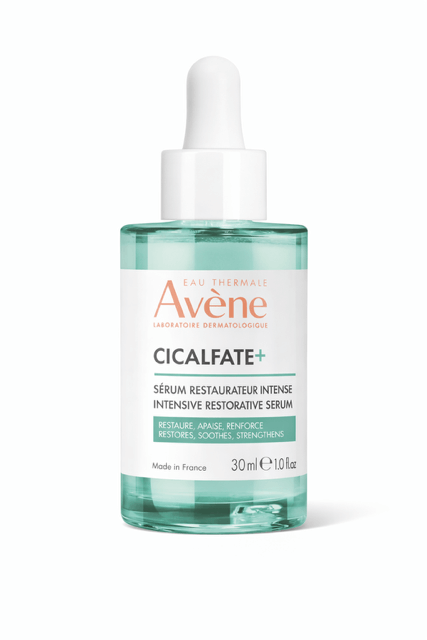
THE LUSTER SELECTION
➢ Avène Cicalfate+ Intensive Restorative Serum
A fluid serum that supports hydration by helping skin feel more resilient beneath subsequent layers. Its lightweight texture settles easily after toner or essence, creating a smoother surface for moisturizer to sit against. When the barrier feels steadier, water-based layers are less likely to feel fleeting — making this a thoughtful step when hydration needs to last beyond the first hour.
No. 3
Texture as a Tool: Choosing the Right Moisturizer Weight
Different cream weighs shape how skin holds moisture and maintains daily resilience.
By the time moisturizer enters the routine, hydration has already been introduced and supported. This step determines whether that moisture feels stable, overly sealed, or quietly evaporates. Weight isn’t about preference, it’s about proportion.
How Different Textures Behave Layered Over Water-Based Products:
- Gel textures feel light and fresh, but may not extend hydration for long. Best when skin already feels balanced.
- Cream-gel hybrids offer flexibility — light enough to avoid heaviness, substantial enough to cushion what’s underneath. Often the most adaptable choice.
- Classic creams create comfort and density. Ideal when hydration needs reinforcement, but can feel excessive if earlier layers were already rich.
- Balms and occlusive-rich formulas seal more intensely. Useful in targeted situations, but can mute lighter hydration steps if applied prematurely.
why it matters
Moisturizer weight should echo what your skin is experiencing — not override it. When texture aligns with hydration beneath it, moisture feels continuous. When it doesn’t the routine can feel either underwhelming or congested.
A NOTE After layering water-based products, pause and assess how skin feels before reaching for cream. If hydration feels present but exposed, choose a weight that cushions. If it already feels dense, opt for something lighter.
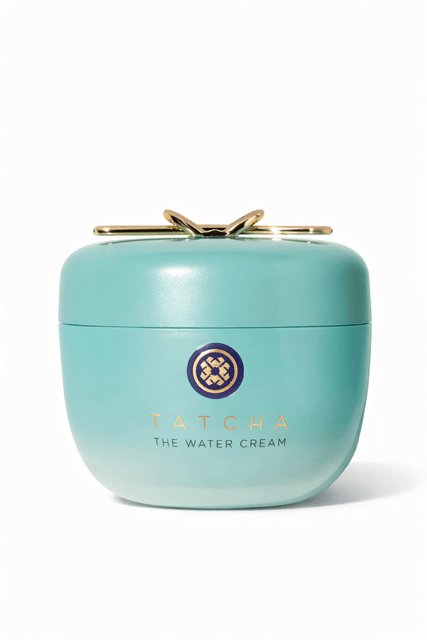
THE LUSTER SELECTION
A lightweight cream-gel that breaks on contact and settles into a smooth, barely-there finish. Its texture makes it especially well-suited for hydration-focused routines where moisture is already layered and simply needs balance rather than density. Used here, it cushions without clouding the steps beneath it.
No. 4
Emollients and Oils: Building Lipid Reinforcement
When layered intentionally, emollients and oils reinforce the barrier’s protective surface.
Once hydration is layered and moisturizer weight is calibrated, lipids become the finishing adjustment. This isn’t about adding more, it’s about refining how the routine rests on the skin.
Emollients, ceramide-based formulas, and face oils each shift the feel of the surface in distinct ways. Emollients give the skin its smooth, pliable feel; ceramides help the texture of a routine feel structurally grounded; and oils add slip and comfort where the skin naturally needs more ease. When layered with intention, they don’t replace earlier steps — they shape how those layers settle.
This stage is less about necessity and more about proportion. When lipid textures are aligned with what came before them, the routine feels cohesive rather than stacked.
why it matters
The relationship between hydration and lipids determines how steady your routine feels overall. When emollients, ceramides, and oils work together, the skin experiences a smoother, more unified layering flow — the kind that keeps your barrier supported without overwhelming it.
A NOTE Press oils or lipid-rich layers lightly over a moisturizer only if the finish still feels open. A restrained application can adjust the final texture without disturbing the balance you’ve already built.
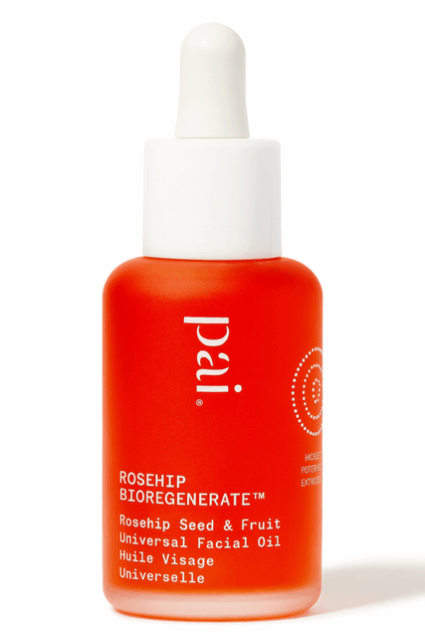
THE LUSTER SELECTION
➢ Pai Skincare – Organic Rosehip BioRegenerate Oil
A lightweight facial oil with a fluid, fast-spreading texture that integrates easily over moisturizer. Its finish feels present but not dense, making it well suited for routines that need a final lipid adjustment without shifting the balance beneath it.
No. 5
Adaptive Support: When Skin Needs Extra Reinforcement
Strategic layering includes knowing when to increase density — and where to do it.
Every skin barrier support routine has moments when the skin feels like it needs just a touch more ease — not correction, not intensity, simply a formula that brings the layers together with more coherence. This is where supportive textures like balmy creams, richer emulsions, and soft occlusive finishes become especially useful.
Reinforcement is About Placement:
- If hydration feels present but the finish evaporates quickly, deepen your moisturizer rather than adding another serum
- If your moisturizer feels adequate but the surface lacks cohesion, introduce a light oil as a final seal
- If multiple layers feel unsettled, reduce complexity before increasing weight
Why it matters
Long-term barrier strength is built through consistent layering. When added support is introduced at the final stage instead of altering the foundational layers, the underlying framework remains stable, preserving the structure you’ve already built.
A NOTE When adjusting for extra support, change only one layer at a time — usually the final one. Strength builds more steadily when the foundation stays untouched.
THE LUSTER SELECTION
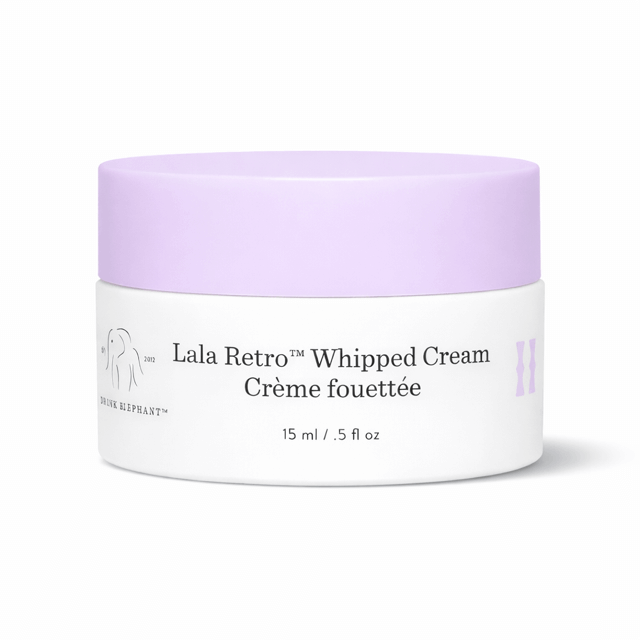
➢ Drunk Elephant Lala Retro Whipped Cream
A dense, cushiony cream designed to sit over lighter layers without collapsing them. Its richer texture makes it well suites for moments when your existing moisturizer feels underweighted but the structure beneath it remains intact. Used sparingly at the final step in your glow-forward routine, it deepens the finish without altering the foundation.
Final Thoughts — The Glow-Sophy of Barrier Support: Building Long-Term Barrier Strength Through Strategic Layering
Long-term barrier strength comes from layering with intention — not constantly replacing products or increasing intensity. When hydration, moisturizer weight, and lipid support are positioned with care, your routine stays stable rather than reactive.
Knowing where to adjust — and where to hold steady — allows that structure to evolve without losing its balance or consistency. That clarity around placement is what keeps strengthening deliberate rather than disruptive — and it’s the kind of structured thinking GlamourTip is built on.
Continue Your Glow Path
Current Stage: Balance (III) · Strengthen

EXPLORE ON
Balance (III) · Strengthen
The Glow List: 5 Powerhouse Ceramide Products for Restoring Your Skin Barrier
LEVEL UP
Enhancement (II) · Refine
The Glow Sandwich Method: How to Layer Your Skincare Products for Maximum Radiance
Glow doesn’t end here — it evolves. Keep building it, your way.