
Blush does more than add color — it sets the tone for your entire glow. And when you’re choosing between cream vs powder blush, the real question isn’t which formula is “better,” but which one creates the kind of radiance you want your skin to carry throughout the day. Each texture offers its own feel: creams melt into the complexion for a skin-first finish, while powders add soft structure that stays balanced as the day settles in — a distinction GlamourTip considers in every makeup edit.
The key to a natural-looking blush glow is understanding how each texture interacts with your base, lighting, and the way your skin naturally settles. Some days call for the seamless sheen of a cream; others for the airy diffusion of a powder. And when your goal is a lasting, believable glow, the right choice often comes down to how you want your color to live on the skin — lifted, diffused, or softly defined.
*Some links in this edit are affiliate links, which means we may earn a small commission if you choose to shop through them — at no extra cost to you. As an Amazon Associate, we earn from qualifying purchases. This content is for informational purposes only; please consult a professional before making changes to your routine.
GLOW PATH STAGE
Awareness (II) · Learn
No. 1
Cream vs. Powder Blush: How Texture Changes Your Glow
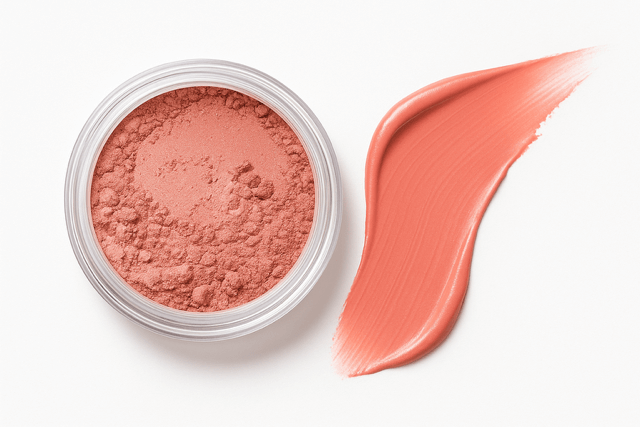
When comparing cream vs powder blush, the difference isn’t just the finish — it’s how each texture interacts with the skin’s natural movement. Cream blushes settle into the complexion with a skin-first softness, blending into your base for a seamless, breathable flush. Powder blush sits slightly above the surface, adding subtle structure and a diffused layer of color that stays consistent as the day goes on.
The choice between them often comes down to how you want your glow to register. Creams create a lifted, lived-in warmth that feels effortless and close to the skin, while powders offer gentle definition with amore diffused edge. Both create the best natural looking blush for glow — the impact simply depends on the texture that aligns with your tone, lighting, and base.
Why it matters
Texture shapes how color settles over time. Choosing the right formula helps your blush feel intentional — softly melted into the skin or lightly structured across the cheeks.
A NOTE
Before choosing your blush, look at your base. Dewy or hydrating layers pair best with cream; more matte or set bases support the soft diffusion of powder.
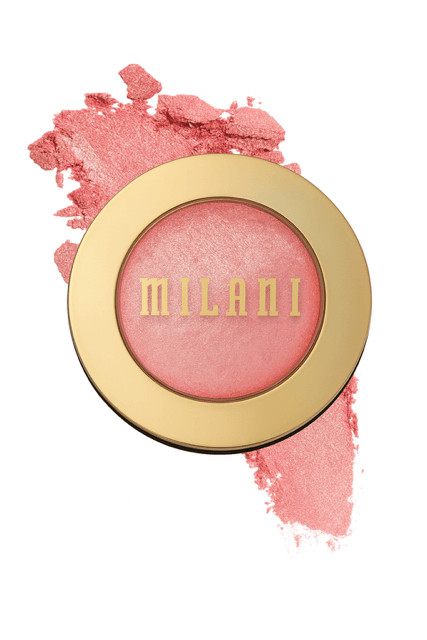
A soft-diffusion powder blush that brings structure without heaviness. Its baked formula blends into a smooth veil of color that settles naturally, creating definition while still letting your glow come through. Shades like “Luminoso” and “Dolce Pink” offer that dusk-soft warmth powder does best, giving the complexion gentle lift and a refined finish. It’s the kind of powder blush you reach for when you want dimension that feels balanced, seamless, and quietly luminous — especially on days when you need your color to stay polished as the hours move on.
No. 2
Choosing the Best Natural-Looking Blush for Your Skin Type and Glow Goals
The best natural looking blush for glow comes down to how the formula interacts with your skin type and the way your undertone carries color throughout the day. Instead of choosing shades in isolation, think about how your skin behaves: Does it stay hydrated? Does it need more balance around the T-zone? Does color fade quickly or sit promptly on the surface? These cues help guide whether a cream, powder, or hybrid formula will feel the most natural on you.
Use these touchpoints to narrow your choices.
- DRY SKIN — cream or serum blush for a skin-forward finish
- COMBINATION SKIN — a soft powder or baked formula for balanced diffusion
- OILY SKIN — powder or soft-matte tones to keep placement steady
- NEUTRAL GLOW GOALS — buildable, mid-tone shade aligned with your undertone
Your glow goals matter just as much as your skin type. Some days call for a blush that lifts complexion; others need something that settles softly into your base. To decide what feels most natural on you, consider how you want the color to live on your skin:
- LIFTED GLOW — cream formulas placed higher on the cheekbones
- DIFFUSED GLOW — baked powders with a soft-focus finish
- DEFINED GLOW — powders layered strategically with a cream base
Each approach keeps your color intentional while staying aligned with your natural tone and the finish you want your skin to reflect.
why it matters
Glow looks most natural when formula, skin behavior, and undertone all work together. Choosing a blush that responds to your skin rather than resisting it keeps the color balanced and believable.
A NOTE
If you’re deciding between a cream and powder blush, swatch each one on bare skin — not over foundation. It shows you how the formula interacts with your natural finish before any additional layers shift the texture.
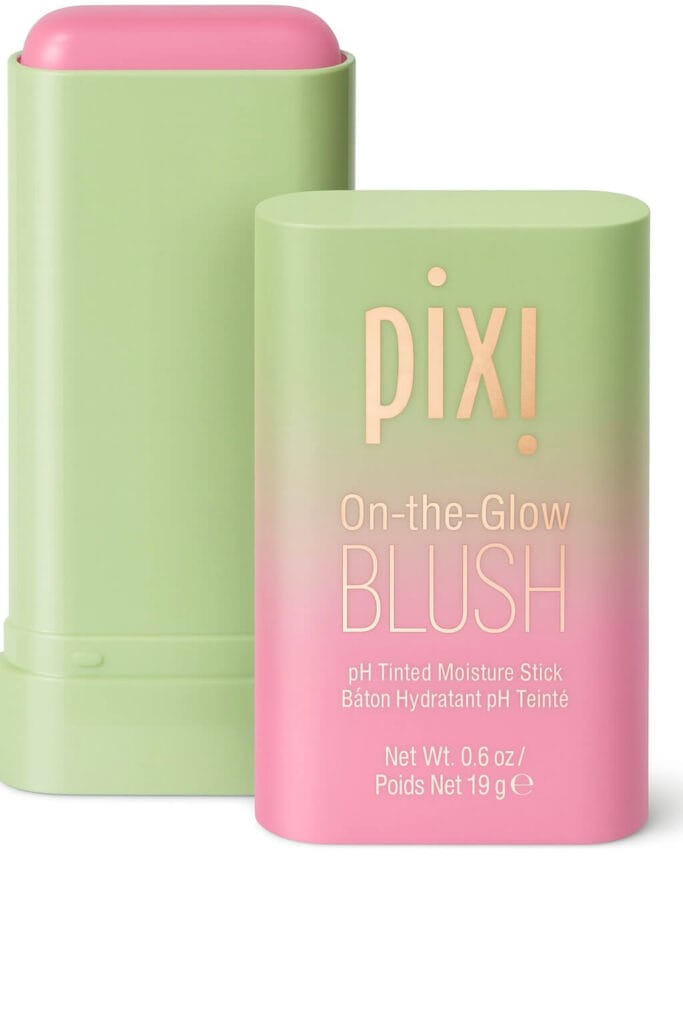
A sleek stick format with a satin-creamy texture that melts into the skin and gives it a soft, natural glow. Its portable wand design makes it ideal for on-the-go touch-ups, and the lightly reflective finish supports long-wear without overshadowing your base — perfect for choosing the best natural-looking blush for glow.
No. 3
Placement and Blending Techniques for a Long-Lasting Blush Glow
A long lasting blush glow comes from understanding how color moves with your features throughout the day. Start by placing pigment where your face naturally lifts: the upper cheeks, the apples blended outward, or slightly across the nose for cohesion.
Then, consider how your skin’s undertone influences the way blush settles.
- WARM UNDERTONES — favor slightly higher placement for a sunlit effect
- NEUTRAL / COOL UNDERTONES — benefit from soft diffusion upward toward the temple
Each technique affects how the flush reads — lifted, grounded, or quietly defined.
Blending is where longevity becomes visible. Cream blushes need a gentle press to meld into the base. Powder blushes respond better to airy, circular motions that keep the edges diffused. The goal is to create a seamless transition between color and complexion so the blush becomes part of your overall structure, not a layer sitting on top.
why it matters
The right placement supports longevity. When blush blends into the natural architecture of your features, the color fades evenly and stays cohesive rather than sliding or concentrating in one spot.
A NOTE
Blend your blush slightly higher than you think you need to — color naturally softens throughout the day, and elevated placement keeps the glow visible without looking overdone.
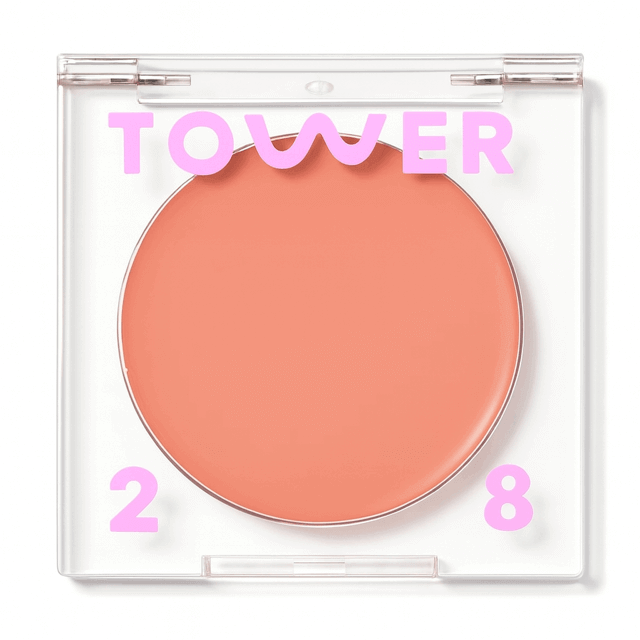
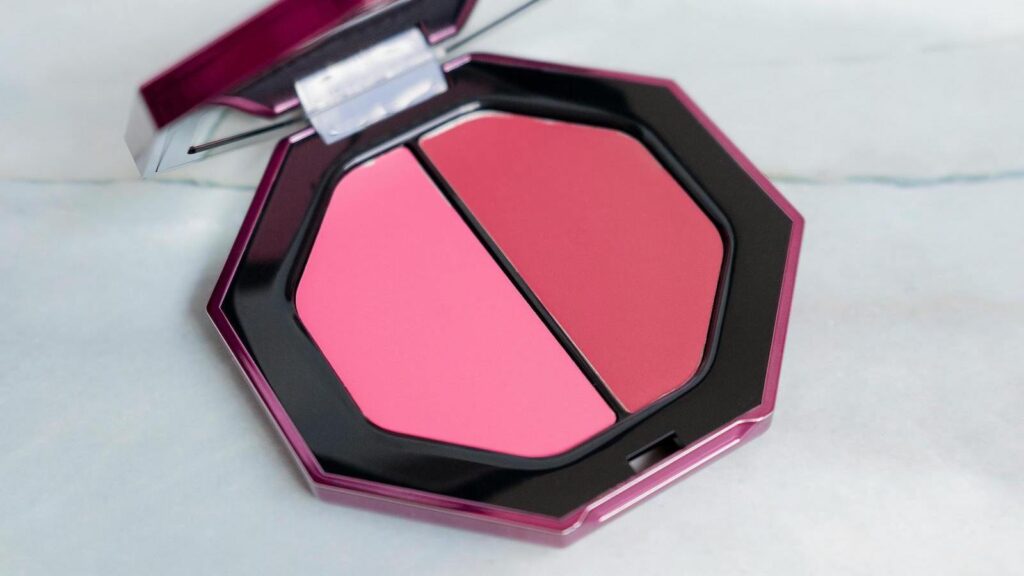
A compact blush that delivers soft, buildable color with the kind of blendability that supports a long-lasting blush glow. The lightweight cream smooths into the skin without streaking, creating a flush that settles naturally into your base. Shades like “Magic Hour” and “Power Hour” offer grounded warmth that stays balanced as the day moves on, giving you color that reads diffused, not dense — perfect for a glow that feels natural and quietly enduring.
No. 4
When to Layer Cream and Powder Blush (and When to Avoid It)
Layering cream and powder blush can create a dimensional, long-wearing finish — but only when the textures support each other. Cream offers that skin-first sheen, while powder adds a veil of soft definition. Together, they can build depth that feels seamless — if your base is prepared and your order is strategic. A lightly set complexion allows cream to melt without slipping and gives powder something to adhere to, keeping your color balanced from lift to fade.
But layering isn’t ideal every day. If your base is already emollient, or if you’re wearing a long-wear matte foundation, adding both textures can crowd the surface of the skin and work against your glow. On days when you want a softer, more diffused flush — or when humidity and movement are in play — sticking to a single formula keeps everything cohesive. Knowing when to layer and when to simplify is what keeps the blush story intentional rather than overloaded.
why it matters
Layering blushes works best when each formula has room to perform. When the skin, base, and blush textures align, the glow feels seamless; when they don’t, the color can sit on top instead of setting naturally.
A NOTE
If you layer cream and powder blushes, use cream for placement and powder only where you want definition — usually higher on cheeks. This keeps the color dimensional without overwhelming the skin’s surface.
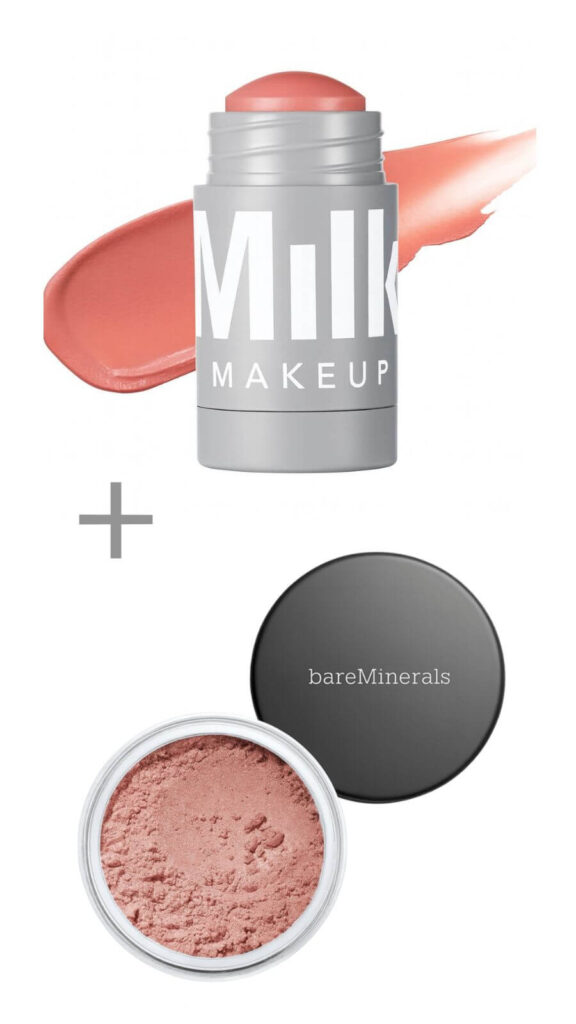
A cream-and-powder pairing designed to build the kind of flush that stays natural, dimensional, and softly anchored throughout the day. Start with the Milk cream blush to create that first layer of seamless warmth — its creamy texture melts into the skin and lays down a believable, skin-led base. Then, sweep a whisper of the bareMinerals Loose Powder Blush on top to refine tone, add gentle structure, and extend longevity without flattening the finish. The mineral powder settles lightly over the cream, diffusing texture and giving the color a lift that reads soft, polished, and incredibly natural.
No. 5
Shade Selection: Finding Blush Tones That Look Most Natural on Your Skin
Choosing the best natural-looking blush for glow starts with knowing how color interacts with your undertone. When blush sits in the same tonal family as your skin, it blends more seamlessly, feels more believable, and settles into the kind of glow that looks lived-in rather than layered. The goal isn’t to match the exact shade of your skin — it’s to pick tones that feel like a natural extension of it.
Here’s how to narrow it down.
- WARM UNDERTONES — Peach, terracotta, coral, warm apricot, and soft bronze-rose. These tones bring warmth without turning too orange as the day wears on.
- NEUTRAL UNDERTONES — Rosy beige, muted mauve, soft berry-pink, and rosewood. These shades stay balanced and blend effortlessly into the skin’s natural depth.
- COOL UNDERTONES — True pink, berry-pink, cool rose, and mauve-plum. These tones create a natural finish without pulling overly vivid or stark.
Your most natural blush shade is the one that matches the color your skin naturally leans toward when it warms, flushes, or brightens after movement. When in doubt, choose a tone one step softer than your instinct — that subtlety often reads more naturally on the skin.
Why it matters
Shade determines how your glow registers. The right tone blends into your base, supports your texture, and settles into a finish that looks like it belongs to your complexion, not layered on top of it.
A NOTE
Check blush shades against your natural lip color — it’s one of the quickest ways to see which tones feel most “at home” on your skin.
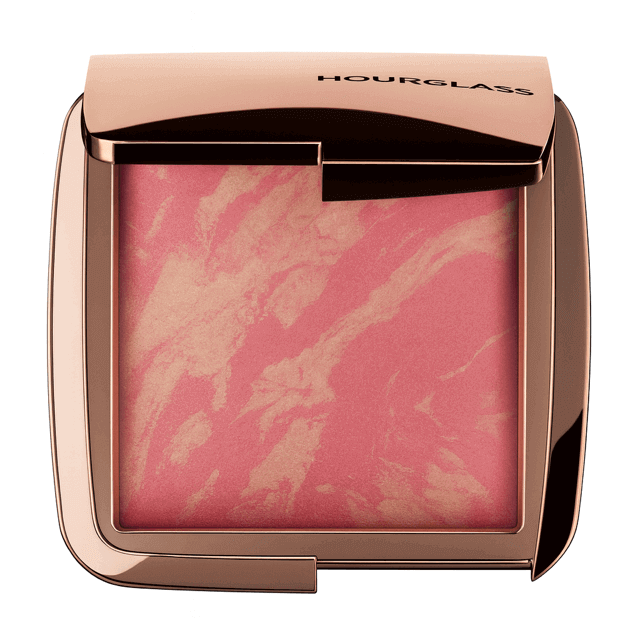
A powder blush that makes undertone matching feel intuitive and elevated. Each shade blends soft-focus pigment with a diffused light finish, creating color that adapts naturally to your complexion instead of sitting on top of it. Colors like “Mood Exposure,” “Dim Infusion,” and “Ethereal Glow” are built with nuanced pigments that complement a wide range of undertones — warm, cool, or neutral — making them ideal when your goal is the best natural-looking blush for glow. The finish reads refined and believable, enhancing your natural tone rather than masking it.
Final Thoughts — Cream vs. Powder Blush: The Key to a Lasting, Natural-Looking Skin Glow
Blush tends to look its best when it reflects the way your skin naturally holds color. Shade, texture, and placement come together to create a finish that looks natural rather than added on. And when you’re choosing between formulas and tones, the real goal is finding a blush that complements the way your complexion settles throughout the day — softened, lifted, or quietly defined.
A natural-looking blush for glow isn’t about choosing the most subtle option; it’s about choosing the one that aligns with your undertone, finish, and the texture that feels true to your skin. This perspective – choosing tone and formula with awareness rather than trend — is central to GlamourTip’s approach to glow-forward makeup. When your blush echoes the skin’s own rhythm, the glow that follows feels balanced, believable, and entirely your own.
For a more balanced, refined finish across different conditions, explore the Luster Selection.
Continue Your Glow Path
Current Stage: Awareness (II) · Learn
START HERE
Awareness (III) · understand
EXPLORE ON
Balance (I) · Reset
LEVEL UP
Enhancement (I) · Upgrade
Glow doesn’t end here — it evolves. Keep building it, your way.