
Moisture loss isn’t always obvious. Skin can look cared for, feel comfortable after application, and still quietly lose hydration throughout the day. This disconnect is what often leaves routines feeling inconsistent — polished one moment, slightly off the next — without a clear reason why skin keeps losing moisture throughout the day. In glow-forward beauty, these subtle shifts matter, because they reveal how skin behaves between steps, not just during them.
GlamourTip’s Glow-sophy pieces exist to slow the conversation down and look beneath surface fixes. Transepidermal water loss is one of those concepts that rarely gets attention unless something feels wrong, yet it shapes how skin holds onto hydration overtime. Understanding TEWL isn’t about adding more or doing less — it’s about recognizing why moisture can quietly slip away, even when everything else appears aligned.
*Some links in this edit are affiliate links, which means we may earn a small commission if you choose to shop through them — at no extra cost to you. As an Amazon Associate, we earn from qualifying purchases. Thank you for supporting GlamourTip.
No. 1
What Transepidermal Water Loss Really Means for Everyday Skin
Moisture doesn’t disappear all at once — it moves quietly, often unnoticed, between steps.
Transepidermal water loss (TEWL) describes the slow, ongoing way moisture naturally escapes from the skin’s surface throughout they day. It isn’t something you see in a mirror, and it doesn’t mean your routine isn’t working — it simply explains why skin can feel comfortable right after application, then gradually less settled as hours pass, even when the routine hasn’t changed.
In Glow-sophy terms, TEWL helps explain why hydration can feel inconsistent rather than absent. Skin isn’t lacking moisture at the start — it’s losing it along the way. This quiet movement of water through the skin becomes more noticeable when routines feel well built yet results feel shorter-lived, especially in environments or seasons that challenge skin’s ability to stay balanced.
Why it matters
When moisture keeps slipping away, routines can start to feel heavier or more complicated than they need to be. Seeing hydration as something skin needs to live with throughout the day — not just receive at application — changes how layers are chosen and combined.
A NOTE Apply one light, water-based layer to damp skin and let it settle before adding richer textures, so hydration feels built rather than piled on.
THE LUSTER SELECTION
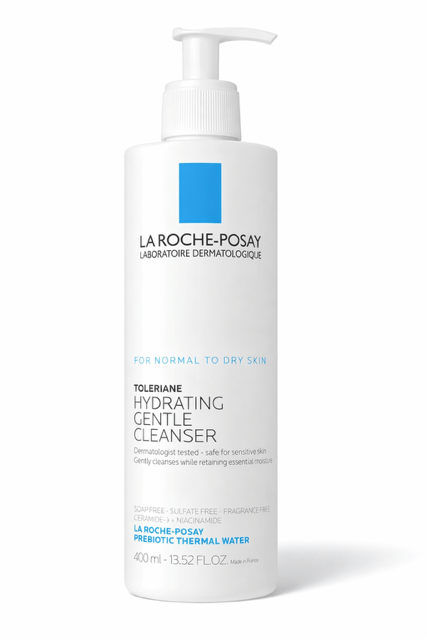
➢ La Roche-Posay Toleriane Hydrating Gentle Face Cleanser
A soft, low-foam cleanser that keeps the first step of a routine feeling calm and uninterrupted. Its creamy texture rinses clean without leaving the skin tight, which matters when moisture tends to drift away quietly throughout the course of the day. Formulated with glycerin, niacinamide, and ceramide-supportive ingredients, it helps maintain a comfortable baseline before hydration layers go on. A gentle cleanse like this sets the stage for routines focused on reducing everyday moisture loss.
No. 2
Why Skin Can Feel Dry Even When You’re Using Hydrating Products
Hydration can be present — and still feel like it fades too quickly.
When skin feels dry despite using hydrating products, the issue often isn’t the absence of moisture, but how that moisture behaves once it’s on the skin. Lightweight hydration products can absorb quickly, leaving the surface feeling comfortable at first and less settled as the day goes on — not because hydration is missing, but because it moves on quickly once it’s absorbed. This is where the difference between adding hydration and supporting how hydration sits within a routine becomes more noticable.
In Glow-sophy terms, this is where hydration layering comes into focus. Rather than stacking more products, the emphasis shifts to how textures follow one another — whether there’s enough continuity between steps for hydration to feel present beyond the moment it’s applied.
why it matters
When layers feel disconnected, dryness can show up even in routines that technically include hydrating products. Understanding this helps explain why dryness can persist without changing products — and why adjusting the way layers interact can matter more than adding another step.
A NOTE After applying your toner or essence, give it a brief moment to settle before following with your moisturizer. That pause helps each step feel more deliberate and keeps your glow-forward routine from feeling rushed.

THE LUSTER SELECTION
➢ Byoma Ultra Hydrating Milky Toner
A soft milky toner that brings a gentle sense of continuity to the routine right after cleansing. Its lightweight, lotion-like texture includes glycerin, ceramides, and barrier-supportive lipids, giving hydration a more cushioned feel without weighing skin down. Used after cleansing, it helps the steps that follow feel more connected, making the routine feel calmer, more intentional, and easier to maintian over time.
No. 3
How the Skin Barrier Influences Ongoing Moisture Loss
Moisture doesn’t just depend on what you apply — it depends on what the skin can retain.
The skin barrier plays a quiet but consistent role in how moisture behaves throughout the day. When the barrier feels steady, hydration tends to feel more consistent between applications. When it feels less supported, moisture can seem to fade more quickly, even in routines that include hydrating products. This isn’t about damage or repair — it’s about how well the barrier supports the movement and presence of moisture over time.
Barrier support is the connective tissue of the routine — the part that helps hydration feel less fleeting and textures feel more settled as the day goes on. When the barrier is treated thoughtfully, moisture doesn’t need to be chased — it fits more naturally into the rhythm of the routine.
why it matters
If the barrier isn’t supported, hydration can feel inconsistent no matter how carefully products are chosen. Understanding this relationship explains why moisture loss can show up gradually, rather than immediately after application.
A NOTE Apply your serum at the same point in your routine each time, rather than moving it around depending on day. Keeping that placement consistent helps the rest of your steps feel more predictable.
THE LUSTER SELECTION
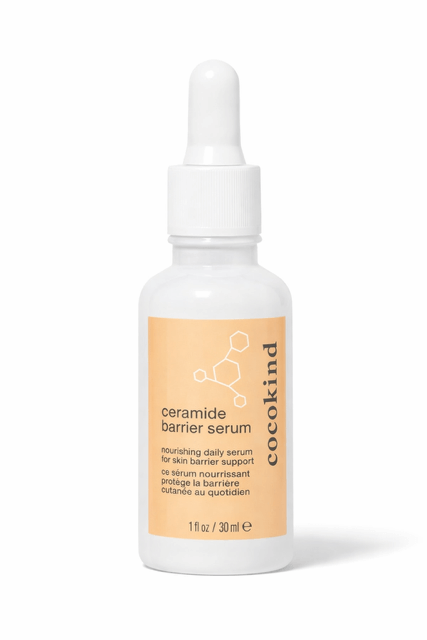
➢ Cocokind Ceramide Barrier Serum
A lightweight, gel-cream serum that sits comfortably between hydration and moisturizer. Formulated with ceramides, squalane, and glycerin, it adds a subtle sense of structure to the routine without changing the feel of the layers around it. The texture absorbs easily and layers well, making it a practical option when moisture tends to fade gradually and the routine needs a steadier middle step.
No. 4
How Hydration, Emollients, and Occlusives Affect Moisture Retention
Moisture behaves differently depending on what surrounds it in a routine.
Hydration introduces water to a skincare routine, but emollients and occlusive textures determine how that water behaves afterward. While emollients soften the surface and refine how skin feels to the touch, occlusive finishes create a sense on completeness that influences glow longevity. Together, they help determine whether hydration feels momentary or whether skin maintains a more even, comfortable radiance as the day unfolds.
When this balance is missing, glow can feel inconsistent — present early on, then quietly diminish. This is often describes as poor moisture retention, not because hydration wasn’t applied, but because the structure around it wasn’t fully supported. Understanding how these textures contribute to glow continuity explains why skin can keep losing moisture even when hydration is part of your daily care.
why it matters
If hydration isn’t followed by something contextual, moisture can feel inconsistent throughout the day. Recognizing how emollients and occlusives fit into the routine helps explain why moisture loss can continue even when hydration is present.
A NOTE If your skin feels dry a few hours after applying hydrating products, look at what comes after them — not what comes before. Adding a light cream or balm at the end of your routine can change how long moisture feels present.
THE LUSTER SELECTION
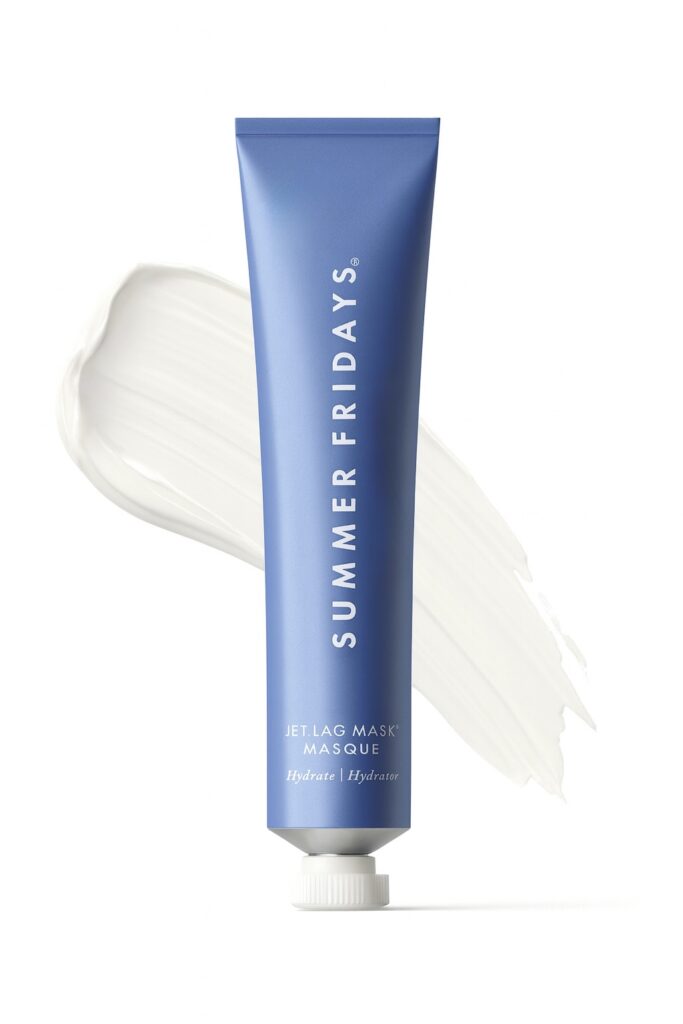
A creamy, cushion-rich moisturizer that works well as a final layer when moisture tends to fade too quickly. With glycerin, ceramides, and emollient-rich oils, this formula brings softness and coverage without feeling heavy or occlusive in the traditional sense. Used as the last step, it gives hydration more context within your glow routine, helping everything underneath feel more settled and cohesive.
No. 5
Building a Routine That Helps Skin Hold Onto Moisture Longer
How your steps are ordered matters just as much as which products you choose.
A routine that helps skin hold onto moisture follows a simple structure: cleanse gently, add hydration, support it with a serum or treatment, then finish with a cream that gives everything underneath context. When these steps are spaced and layered intentionally, moisture is less likely to feel like it disappears between applications. The goal isn’t to build a longer routine — it’s to make sure each step has a clear role and isn’t working in isolation.
Problems often show up when steps are skipped, doubled, or crowded together without transition. Hydration applied too late, serums layered back-to-back, or finishing products that don’t match the textures beneath them can all contribute to moisture fading faster than expected. A routine that holds onto moisture is one where each product supports the one before it, creating continuity rather than competition.
Why it matters
When a routine is structure clearly, moisture behaves more predictably throughout the day. This reduces the need to reapply or constantly adjust, because each step is reinforcing the next instead of canceling it out.
A NOTE Build your routine in the same order every day for a week before changing products. If moisture still feels faded, adjust the placement of one step rather than adding something new.
THE LUSTER SELECTION
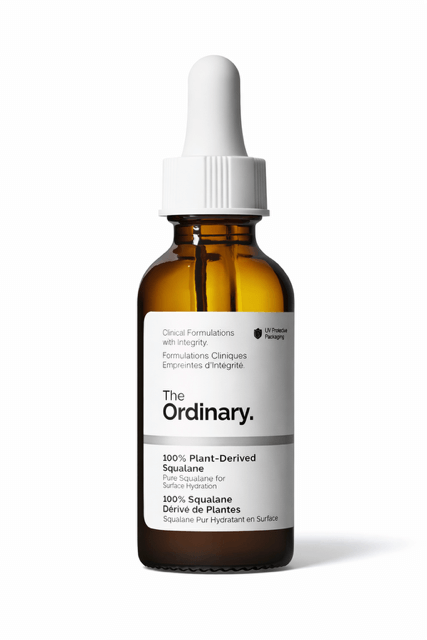
➢ The Ordinary 100% Plant-Derived Squalane
A lightweight facial oil that’s best used as the final step when moisture tends to fade between applications. With a simple squalane-only formula, it adds a thin layer of slip over your moisturizer without changing the feel of your routine underneath. Used sparingly, it helps hydration feel more consistent across the day or overnight — especially in routines where moisture seems to disappear faster than expected.
Final Thoughts — The Glow-sophy of Transepidermal Water Loss: The Quiet Reason Skin Keeps Losing Moisture
Moisture loss rarely comes from a single misstep — it’ s more often the result of small gaps between steps that add up overtime. Transepidermal water loss helps describe why skin can feel hydrated at one moment, then fade a few hours later. When hydration, barrier support, and finishing textures are placed with purpose, moisture is less likely to fade unexpectedly.
That clarity is what Glow-sophy is meant to offer on GlamourTip — a way to understand what’s happening beneath the surface so routines can be adjusted thoughtfully, not reactively. When transepidermal water loss is acknowledged, holding onto moisture becomes a matter of structure — and glow feels steadier from morning through night.
RELATED GLOW STORIES

Glow doesn’t end here — it evolves. Keep building it, your way.