
Dehydrated skin doesn’t always respond the way we expect it to. Adding more cream can feel logical, yet the surface often stays tight, uneven, or dull — especially in colder months when hydration and moisture balance are harder to maintain. Understanding what water-based skincare actually does for dehydrated skin reframes that experience entirely, shifting the focus from heavier layers to how hydration behaves at the skin’s surface.
That shift sits at the center of GlamourTip’s glow-forward approach. When hydration is established first, everything that follows — from moisture to makeup — tends to settle more evenly, look more refined, and hold its balance throughout the day. This is where modern routines become less about piling on product and more about building a structure that supports long-lasting glow with intention.
*Some links in this edit are affiliate links, which means we may earn a small commission if you choose to shop through them — at no extra cost to you. As an Amazon Associate, we earn from qualifying purchases. Thank you for supporting GlamourTip.
No. 1
Why Dehydrated Skin Doesn’t Respond to Cream Alone
Dehydrated skin needs more than moisture.
Dehydrated skin isn’t simply about surface dryness. It reflects a lack of hydration within the skin’s upper layers, which means richer textures alone don’t always create the balanced feel you might be looking for. Creams and heavier formulas may soften the surface temporarily, but without enough water present underneath, skin can still feel tight, uneven, or dull.
Hydration and moisture serve different roles in a routine. Hydration relates to water at the skin’s surface, while moisture helps support and maintain that hydration. When hydration is missing, layering more emollient or occlusive products on top can leave the routine feeling heavy without resolving that underlying imbalance. Rebuilding hydration first creates a more stable foundation for everything that follows.
Why it matters
Understanding the difference between hydration and moisture changes how routines are built for dehydrated skin. When hydration is established before heavier layers are introduced, the overall routine tends to feel more even, comfortable, and visually balanced.
A NOTE If your skin still feels tight or uneven after applying cream, the issue may be hydration rather than moisture. Look for water-based skincare earlier in the routine to help restore balance before reaching for richer textures.

THE LUSTER SELECTION
➢ Laneige Cream Skin Toner & Moisturizer
A fluid, water-based formula designed to sit at the hydration stage of a routine. The lightweight texture spreads evenly across the surface, delivering hydration through humectants while keeping the finish soft and balanced. Its streamlined format works naturally within routines focused on restoring moisture balance before introducing richer layers.
No. 2
What Water-Based Skincare Actually Does at the Skin’s Surface
Hydration begins before moisture ever enters the picture.
Water-based skincare operates at the level of the skin’s visible surface, shaping how the routine feels long before richer layers are introduced. On dehydrated skin, this step helps establish hydration — the presence of water — which allows subsequent products to distribute more evenly instead of collecting or sitting unevenly on the surface.
This is where hydration layering becomes foundational. When water-based skincare is applied first, followed by formulas built around humectants, the routine develops structure rather than weight. That structure supports moisture balance by preparing the skin’s surface to receive emollients and occlusives later on without disrupting the finish.
why it matters
Without establishing hydration first, routines for dehydrated skin can drift toward heaviness while still feeling unsettled. Introducing water-based skincare early allows moisture and barrier support to integrate smoothly, preserving a balanced surface and a glow-forward appearance.
A NOTE If the skin’s surface still feels uneven after applying richer textures, the routine may be missing enough water-based skincare at the start. Adjusting the order to prioritize hydration layering can restore moisture balance before heavier steps are introduced.

THE LUSTER SELECTION
➢ Tatcha The Essence Skincare Boosting Treatment
A lightweight liquid formula built around Japanese fermented ingredients and humectants such as glycerin. The texture applies fluidly and settles cleanly on the skin’s surface, making it a natural fit at the hydration stage of routines designed for dehydrated skin.
No. 3
The Role of Humectants in Rebuilding Hydration Balance
Hydration is built, not applied.
At the center of hydration layering are humectants — ingredients that interact with water at the skin’s surface. On dehydrated skin, this step helps establish a more consistent hydration environment before moisture and barrier support are introduced. Without this stage, routines often rely too heavily on creams and oils, which can soften the surface without addressing the underlying imbalance in moisture retention.
Common humectants such as glycerin and hyaluronic acid are frequently used at this point in a routine because of how comfortably they integrate with water-based skincare. When layered correctly, these formulas support a smoother surface texture, allowing the rest of the routine to settle with greater visual consistency rather than appearing heavy or uneven.
why it matters
Humectants shape how hydration behaves across the routine. Establishing this layer first allows moisture balance to develop more evenly, helping the skin’s surface remain stable as emollients and occlusives are applied later on.
A NOTE Apply your humectant step to lightly damp skin, then pause for a moment before moving on. That brief window allows hydration layering to settle more evenly before the next product is introduced.
THE LUSTER SELECTION
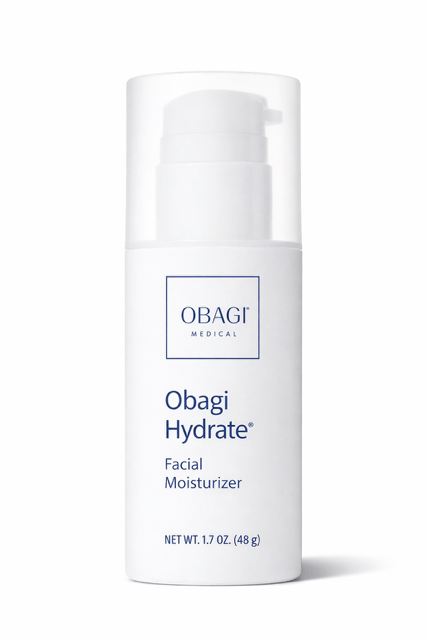
➢ Obagi Hydrate Facial Moisturizer
This lightweight moisturizer is formulated with glycerin and other humectants that support surface hydration while maintaining a soft, balanced finish. The texture spreads evenly and settles comfortably beneath makeup or sunscreen, making it a natural fit for routines addressing dehydrated skin where hydration layering and moisture balance are the priority.
No. 4
Why Occlusives & Creams Work Better After Hydration Is Established
Moisture only works when hydration is already in place.
Once hydration has been established through water-based skincare and humectants, the role of occlusives and emollients becomes far more effective within the routine. These richer textures sit at the top of the layering sequence, where they help maintain moisture balance and reinforce barrier support rather than attempting to compensate for missing water underneath.
When creams are introduced before hydration layering is complete, they can soften the surface without creating the stable, even finish that glow-forward routines depend on. Establishing hydration first, allows occlusives and emollients to integrate smoothly, preserving surface clarity and preventing the routine from feeling heavy or unsettled.
why it matters
The order in which products are applied shapes how the entire routine behaves on the skin. Placing occlusives and emollients after hydration helps the routine maintain moisture balance and visual consistency instead of allowing weight to build too early in the process.
A NOTE If your moisturizer feels like it’s sitting on top of the skin, pause and introduce an extra layer of water-based skincare before reapplying. That adjustment often restores moisture balance without adding heaviness.
THE LUSTER SELECTION
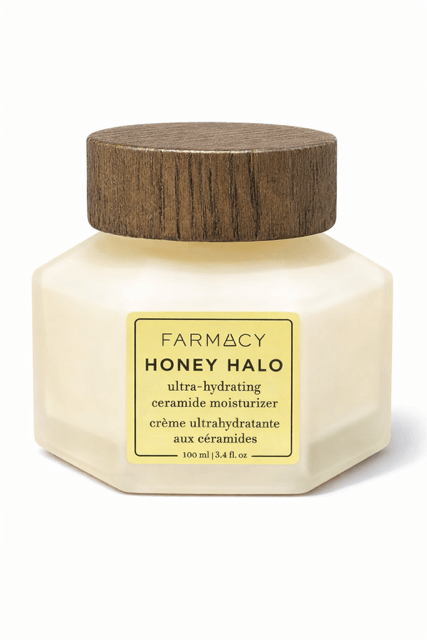
➢ Farmacy Honey-Halo Ceramide Face Moisturizer
This plush cream features ceramides, shea butter, and honey extract, forming a rich yet refined layer that settles comfortably at the final stage of the routine. The cushiony texture pairs naturally with hydration layering, reinforcing barrier support and maintaining steady moisture balance without leaving the surface looking heavy or coated.
No. 5
How Hydration Balance Shapes Glow, Texture, and Makeup Wear
Glow is built on hydration balance.
When hydration and moisture balance are working together, the skin’s surface develops a smoother, more even appearance that supports both natural glow and consistent makeup wear. Dehydrated skin, on the other hand, often shows texture more quickly, which can interrupt the way foundation, concealer, and complexion products settle throughout the day.
A routine that prioritizes hydration layering, supported by humectants, emollients, and carefully placed occlusives, helps maintain surface clarity without introducing heaviness. This allows makeup to sit more evenly on the skin, preserving the refined finish that flow-forward routines are designed to create.
Why it matters
Visible glow and smooth makeup wear are shaped by how well hydration and moisture balance are maintained across the routine. When the skin’s surface remains stable and evenly hydrated, everything that follows tends to look more polished and intentional.
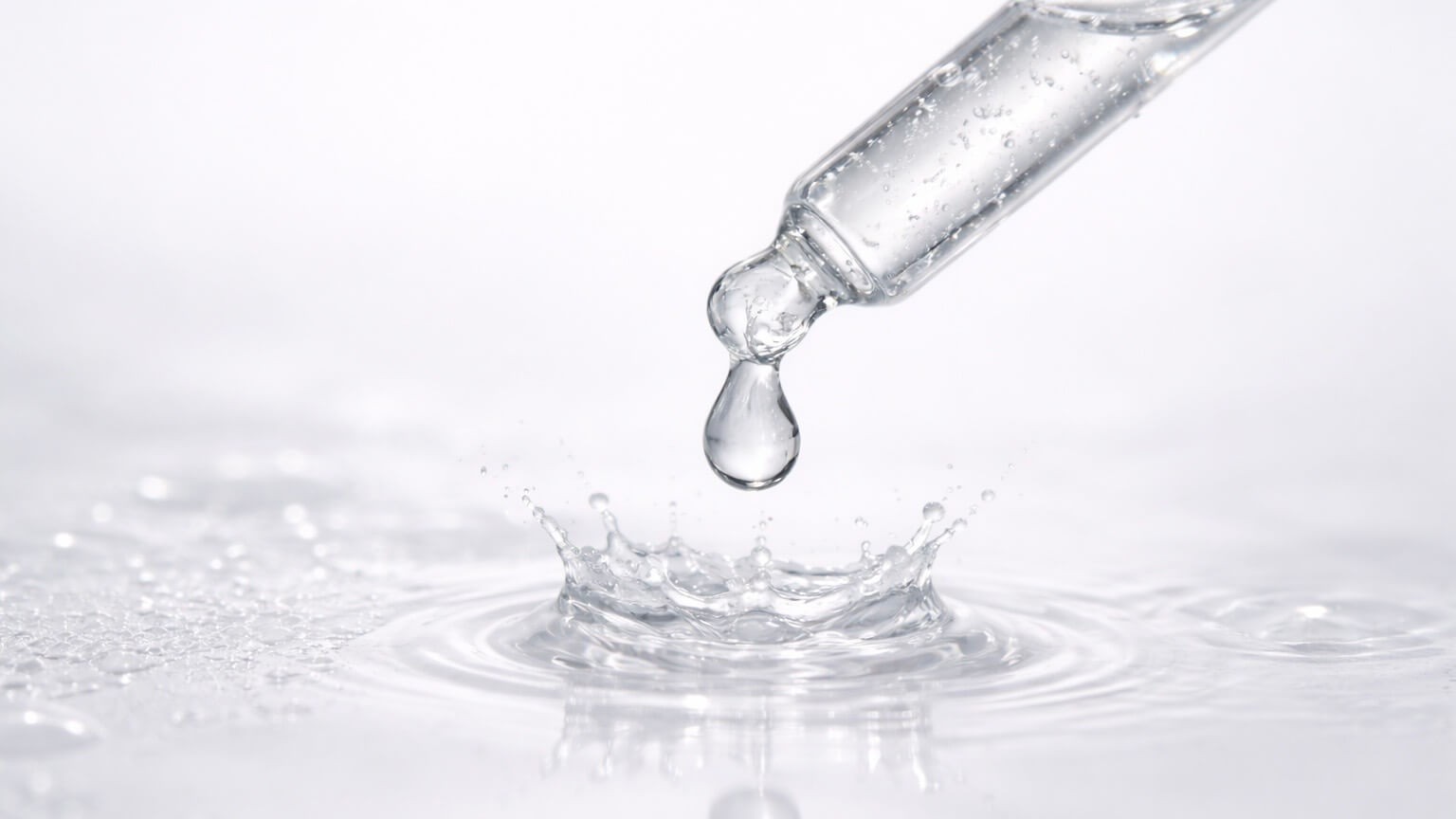
A NOTE Before applying foundation, lightly press a drop of water-based skincare over areas that feel tight or textured. That small adjustment often helps makeup sit more evenly without changing the rest of the routine.
THE LUSTER SELECTION
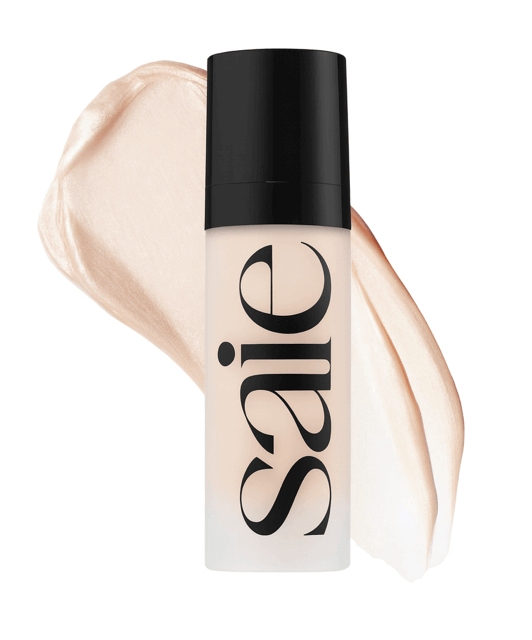
➢ Saie Glowy Super Gel – Hydrating Makeup Primer and Illuminating Glow Serum
This lightweight gel blends easily across the skin and layers comfortably over hydration and moisture without disrupting the surface finish. The fluid texture adds soft luminosity at the high points of the face, making it an ideal final touch for routines built around balanced glow and refined makeup wear.
Final Thoughts — What Water-Based Skincare Actually Does for Dehydrated Skin (& Why Cream Alone Isn’t Enough)
Understanding what water-based skincare actually does for dehydrated skin reshapes how routines are built from the ground up. Instead of relying on heavier layers alone, glow-forward skincare begins with hydration, supported by humectants, then reinforced through moisture balance, emollients, and occlusives that hold everything in place.
When that structure is in harmony, dehydrated skin appears smoother, more even, and better prepared for makeup wear. This approach reflects the kind of thoughtful routine design GlamourTip continues to explore — one where hydration layering becomes the foundation for visible glow, refined texture, and effortless everyday radiance.
RELATED GLOW STORIES

Glow doesn’t end here — it evolves. Keep building it, your way.