
Winter has a way of quietly changing how skin behaves. Glow can start to look flatter, texture more noticeable, and familiar products feel less effective — even when the routine hasn’t changed. In many cases, the issue isn’t traditional dryness, but dehydrated winter skin, where cold air and indoor heat deplete water at the skin’s surface rather than oil.
That distinction sits at the center of how glow-forward routines are built at GlamourTip. When hydration is missing, adding more oil or cream can soften the surface without restoring balance. Learning how to recognize signs of water loss — and understanding where hydration fits back into a winter routine — helps reframe glow as something structured and intentional, not seasonal guesswork.

*Some links in this edit are affiliate links, which means we may earn a small commission if you choose to shop through them — at no extra cost to you. As an Amazon Associate, we earn from qualifying purchases. Thank you for supporting GlamourTip.
No. 1
When Winter Glow Starts to Look Flat, Tight, or Uneven
Dehydrated winter skin often shows up as lost glow, not dryness.
In winter, shifts in temperature and humidity can subtly change how skin behaves at the surface. Glow may appear muted, texture more visible, and makeup less cooperative — even when richer products are already in use. These changes are often early indicators of dehydrated winter skin, where the issue is lack of hydration rather than insufficient oil.
Unlike dryness, which tends to feel consistently rough or flaky, dehydrated skin can fluctuate throughout the day. Skin may feel tight shortly after cleansing, look uneven by midday, or lose luminosity despite added creams or face oils. These surface signals point to missing water, not missing richness — a distinction that becomes especially relevant in winter glow routines.
Why it matters
Recognizing these early signs helps prevent routines from drifting toward heavier textures that don’t address the underlying imbalance. Identifying dehydrated skin early allows hydration to be restored before layering additional emollients or occlusives, keeping glow more controlled and intentional.
A NOTE Check how your skin looks and feels one hour after your routine, before makeup. If glow has already dulled or tightness has returned, the routine may be missing enough hydration at the start.
THE LUSTER SELECTION
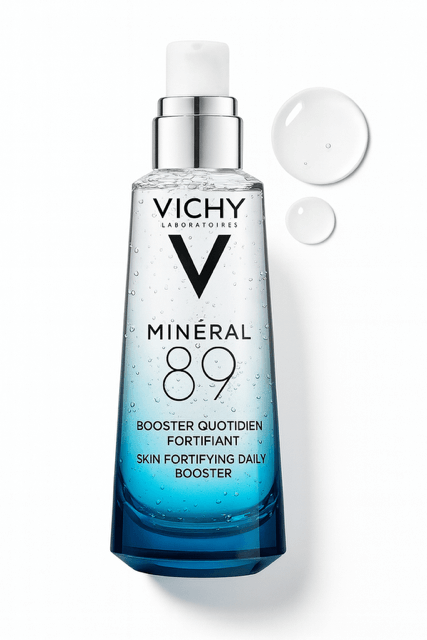
➢ Vichy Mineral 89 Booster, Pure Hyaluronic Acid Serum for Face
This lightweight gel-serum is formulated with hyaluronic acid and mineral-rich thermal water, making it well suited for addressing dehydrated winter skin at the hydration stage. The fluid texture spreads easily and layers without residue, supporting hydration layering before richer products are introduced.
No. 2
The Telltale Signs Your Routine is Missing Water, Not Oil
When hydration is missing, adding oil rarely changes the outcome.
In winter, routines often shift toward richer textures in response to tightness or dullness. But when the underlying issue is water loss, those additions don’t always resolve what’s happening at the skin’s surface. Signs such as makeup settling unevenly, glow fading quickly, or tightness returning shortly after application, often point to missing hydration, not insufficient oil.
This is where hydration vs moisture becomes an important distinction. Hydration refers to the presence of water at the skin’s surface, while moisture relates to how that water is supported and maintained. In cold conditions, increased TEWL (transepidermal water loss), can allow water to escape more quickly, leaving skin feeling unsettled even when creams or face oils are already in use.
why it matters
Understanding whether skin is lacking water or oil changes the direction of the entire routine. When dehydration is misread, product choices tend to address surface feel rather than the underlying imbalance. Identifying missing hydration early helps keep winter routines intentional, preventing unnecessary layering and allowing glow to build with more precision.
A NOTE Press a small amount of water-based skincare onto clean skin and wait a few minutes before adding oil or cream. If the skin already feels more balanced, the glow routine may have been missing water rather than richness.
THE LUSTER SELECTION
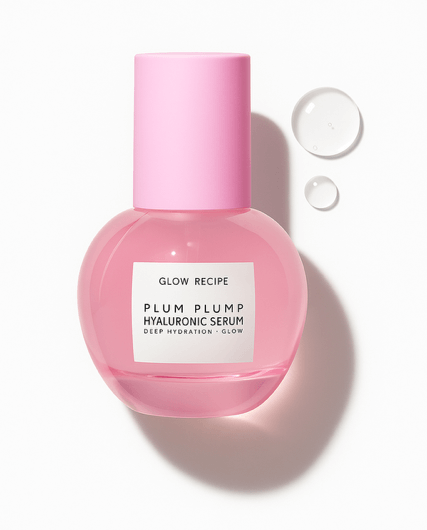
➢ Glow Recipe Plum Plump Hyaluronic Serum
This bouncy, gel-based serum is formulated with multiple forms of hyaluronic acid, glycerin, and polyglutamic acid, ingredients commonly used to support surface hydration in winter routines. The lightweight texture spreads easily and absorbs without residue, making it well suited for addressing water loss before introducing oils or cream that focus on moisture balance.
No. 3
Why Adding More Oil Can Make Dehydrated Winter Skin Feel Worse
Oil can soften the surface without restoring hydration.
In winter, it’s common to reach for face oils when skin starts to feel tight or look dull. Oils are effective at smoothing the surface, but they don’t introduce water into the skin. When hydration is already low, layering more oil can create a temporary sense of comfort while leaving the underlying imbalance unchanged.
This is where emollients and occlusives are often misunderstood. These ingredients help reduce TEWL by forming a supportive layer at the surface, but they work best after hydration layering has been established. Without enough water present, oils can flatten glow, emphasize texture, or make skin feel coated rather than balanced — especially in colder, drier conditions.
why it matters
Understanding the role of face oil helps prevent winter routines from becoming surface-focused. When hydration is addressed first, emollients and occlusives can support moisture balance instead of masking missing water, allowing glow to appear more even and controlled.
A NOTE If adding oil makes skin look smoother but not more luminous, pause and reintroduce a water-based skincare step before sealing it in. That shift often changes how the entire routine settles.
THE LUSTER SELECTION
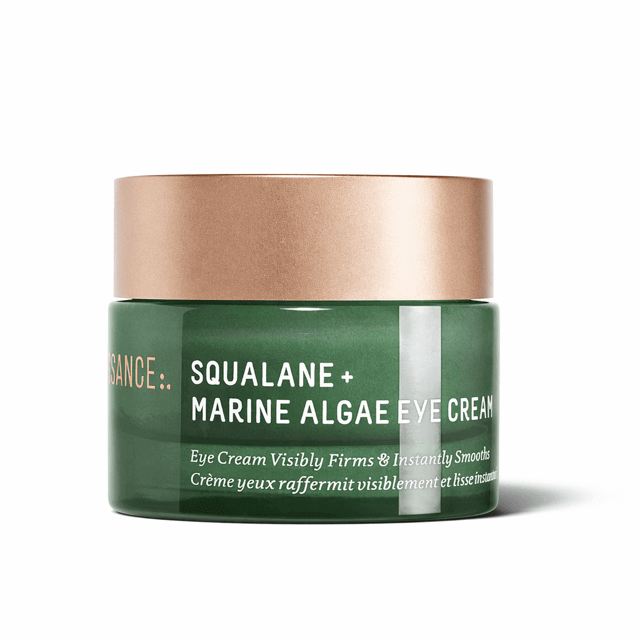
➢ Biossance Squalane and Marine Algae Eye Cream
This lightweight cream combines squalane with marine algae extract in a fluid texture designed to smooth the surface without heaviness. While formulated for the eye area, its balanced blend of emollients and water-binding ingredients makes it a useful example of how oil-supportive formulas perform best when layered over existing hydration, not used as a substitute for it.
No. 4
How to Reintroduce Water Back Into a Winter Glow Routine
For winter glow to improve, water needs to return to the routine.
Reintroducing water into a winter glow routine doesn’t require more steps — it requires adjusting where hydration appears. Water-based skincare placed earlier in the routine helps establish surface hydration before richer textures are introduced, creating a more stable base for everything that follows.
This is where hydration layering becomes especially useful. Lightweight formulas built around humectants, such as glycerin and hyaluronic acid, allow water to distribute evenly across the skin’s surface. When hydration is re-established first, emollients and occlusives can focus on maintaining moisture balance rather than compensating for missing water, keeping winter glow routines controlled instead of heavy.
why it matters
Winter routines often fail not because they lack richness, but because hydration is introduced too late — or skipped entirely. Placing water-based skincare earlier helps reduce the visual signs of water loss, allowing glow to return without increasing product weight.
A NOTE Layer hydration from lightest to most cushiony. If a product feels thick before hydration is in place, move it later in the routine rather than removing it altogether.
THE LUSTER SELECTION
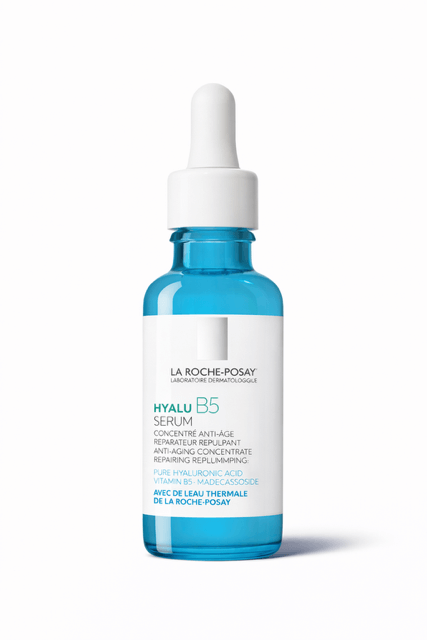
➢ La Roche-Posay Hyalu B5 Pure Hyaluronic Acid Serum
This lightweight serum combines hyaluronic acid with glycerin in a fluid base designed to sit comfortably at the hydration stage of a winter routine. The texture absorbs cleanly and layers easily beneath cream and oils, making it a practical option for restoring hydration before sealing in moisture balance.
No. 5
What Balanced Winter Hydration Does for Glow and Makeup Wear
Glow shows up when hydration and moisture are in sync.
When hydration balance is restored in winter, the skin’s surface appears smoother, more even, and better able to support natural glow. Texture becomes less noticeable, and complexion products tend to sit more consistently across the skin rather than catching on dry areas or separating throughout the day.
This balance also plays a quiet but important role in makeup wear. A routine built around hydration layering, followed by supportive emollients and occlusives, helps maintain surface clarity without dulling luminosity. Instead of relying on heavier formulas to compensate for dryness, winter glow becomes a result of structure — water first, then moisture — rather than excess.
Why it matters
Winter glow isn’t about adding radiance on top of the skin — it’s about creating a surface where glow can appear naturally. When hydration and moisture balance work together, makeup looks more intentional and the skin maintains a calmer, more refined finish throughout the day.
A NOTE If skin feels comfortable but still looks flat by the end of your routine, the final layer may need more water and less weight. A lightweight gel or water-forward cream can help maintain surface hydration without changing the rest of your steps.
THE LUSTER SELECTION
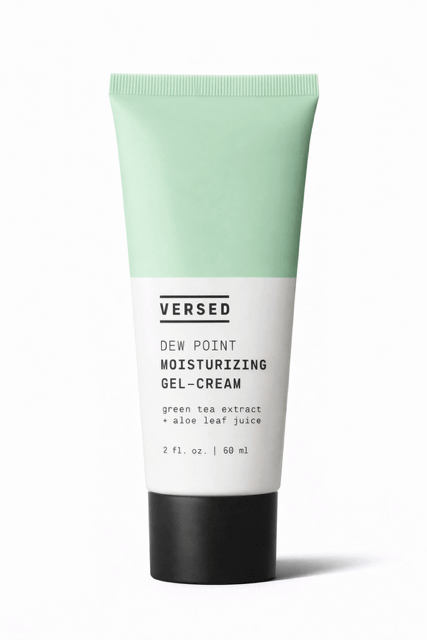
➢ Versed Dew Point Gel Moisturizer For Face
This lightweight gel-cream is built around humectants like glycerin and aloe leaf juice, paired with squalane for a soft, balanced finish. The water-forward texture spreads easily and settles without weight, making it well-suited for winter routines where hydration balance supports smoother surface texture and more consistent glow. It layers comfortably at the end of skincare without dulling the skin’s natural clarity.
Final Thoughts — Dehydrated Skin in Winter: How to Tell If Your Glow Routine Is Missing Water, Not Oil
Winter glow doesn’t come from adding more richness — it comes from understanding what the skin is actually missing. When hydration is restored first and moisture balance is built with intention, routines feel lighter, more controlled, and better suited to seasonal shifts.
For dehydrated winter skin, this approach reframes glow as something structural rather than reactive. Water-forward steps create a stable surface, supportive layers hold that balance in place, and the skin’s texture appears calmer and more even as a result. It’s a way of thinking about winter skincare that prioritizes clarity over excess — and one that aligns naturally with glow-forward philosophy behind GlamourTip.
Continue Your Glow Path
Current Stage: Adaptation (I) · Adjust
START HERE
Maintenance (III) · Sustain

The Hydrating Base Routine That Keeps Makeup Fresh Through Winter
EXPLORE ON
Adaptation (II) · Rebuild

5 Signs Stress Is Affecting Your Skin — And How to Restore Balance
LEVEL UP
Awareness (III) · Understand
The Glow-sophy of Transepidermal Water Loss: The Quiet Reason Skin Keeps Losing Moisture
Glow doesn’t end here — it evolves. Keep building it, your way.