
Achieving a soft-focus finish is about balancing a luminous base with a softly blurred surface. Setting powder helps maintain that effect by reducing excess shine while keeping the skin smooth and even. When applied with intention, powder doesn’t just set makeup — it helps preserve that diffused effect without sacrificing your skin’s natural glow.
The way powder sits on the skin determines whether that soft-focus finish stays refined or begins to dull. Ultimately, it comes down to how and where you apply the powder, so the skin stays smooth and controlled without becoming cakey.

*Some links in this edit are affiliate links, which means we may earn a small commission if you choose to shop through them — at no extra cost to you. As an Amazon Associate, we earn from qualifying purchases. This content is for informational purposes only; please consult a professional before making changes to your routine.
GLOW PATH STAGE
Maintenance (II) · Preserve
No. 1
How Setting Powder Affects a Soft-Focus Finish
When setting powder is introduced, it shifts how light interacts with the surface. Instead of reflecting evenly, light becomes more diffused or absorbed depending on the texture and density of the powder layer. A soft-focus finish relies on controlled diffusion, where the surface remains smooth enough to blur without fully flattening the light beneath.
Even subtle changes in how powders sit can alter that b2alance. When the layer is fine and well-integrated, it softens shine while maintaining dimension. As it builds or settles unevenly, that diffusion becomes heavier, and the finish can lose clarity, appearing more muted or textured.
Why it matters
Reducing shine is only part of the effect — what matters is how light continues to move across the skin. Powder changes that movement. The difference between a refined, diffused surface and one that looks dull often comes down to how much light is still able to pass through and reflect back evenly.
A NOTE
Pay attention to how the skin looks before the powder is applied. When the surface appears more even, powder is less likely to sit visibly atop, allowing the final finish to remain soft and diffused.
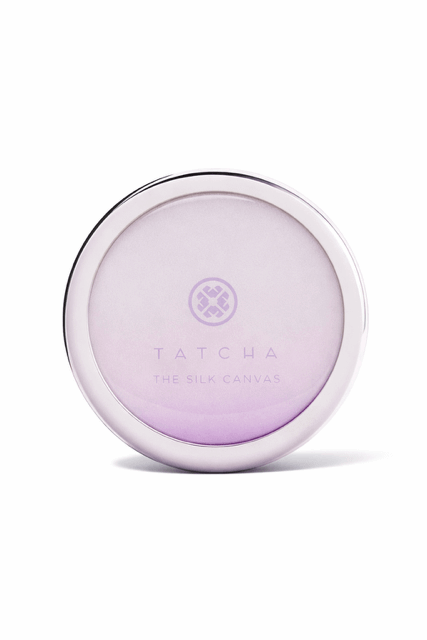
A balm-textured primer formulated with silk extracts that creates a more even, cushioned surface before makeup is applied. It allows powder to sit more uniformly, supporting a softer, more diffused finish without emphasizing underlying texture.
No. 2
When Setting Powder Makes Skin Look Dull or Cakey
A soft-focus finish can shift gradually as the base begins to change throughout wear. What initially appears smooth and diffused can become heavier as layers settle, especially when the surface no longer holds light evenly. Instead of a controlled blur, the finish starts to look more opaque, with texture becoming more apparent.
This shift often comes from hot the base wears rather than the powder itself. As foundation moves, separates, or builds in certain areas, powder follows that change, settling more visibly and amplifying unevenness. What reads as cakey isn’t always excess product, but a loss of balance in how the layers sit together.
why it matters
Consistency across the surface is what keeps the finish looking refined. When the base begins to break down or shift, powder no longer diffuses light evenly, and the finish can appear dull or textured even if they amount of product hasn’t changed.
A NOTE
If your finish starts to look heavier or more textured, avoid adding more powder. Pressing a small amount of foundation back into the skin can help re-even the surface, preventing powder from building on top of uneven areas.
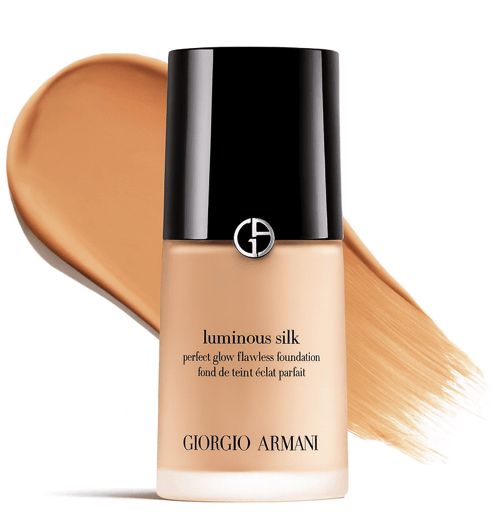
A fluid, lightweight foundation known for its thinner consistency and skin-like finish. We found that this foundation moves more seamlessly with the skin, reducing the likelihood of buildup that can cause powders to settle unevenly over time.
No. 3
How Setting Powder Formula Affects Finish and Texture
Not all powders create the same type of diffusion. Texture, particle size, and finish determine how light is scattered across texture, which is what creates the difference between a soft blur and a more visible layer. Some formulas sit lightly and disperse light evenly, while others build more density, making the surface appear thicker.
That destinction becomes more apparnet as product settles. Finer, more refined powders tend to integrate with the skin, maintaining a diffused effect without adding weight. Denser or more matte formulas can sit more distinclty on top, which can make texture more noticeable as the finish wears.
why it matters
A soft-focus finish depends on how evenly light is diffused, not just how much shine is reduced. The formula determines whether that diffusion remains soft and seamless or begins to look more layere over time.
a note
If a powder starts to look more visible as the day goes on, switching to a finer, more lightweight formula can help maintain a softer, more diffused finish without adding intensity.
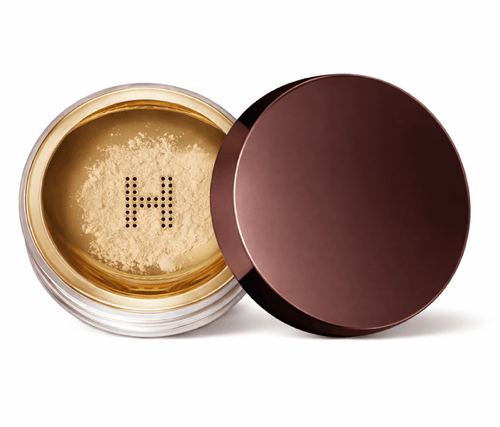
An ultra-fine, loose powder designed to create a light, diffused layer rather than a dense matte finish. Its finally milled texture allows it to sit more seamlessly on the skin, helping maintain a soft-focus effect without building into visible texture.
Part of the Luster Selection
No. 4
Where Setting Powder Makes Skin Look Flat
A soft-focus finish relies on variation across the skin. Some areas remain more reflective, while others are diffused to reduce shine. When powder is applied uniformly, that variation is reduced, and the surface can begin to appear flatter.
This is most noticeable on the high points of the face, where light would naturally reflect. When those areas are overly set, the finish loses contrast, and the skin can take on a more matte, one-dimensional appearance. What reads as smooth at first, can start to look dull as that balance disappears.
why it matters
Dimension comes from the way light moves across different areas of the face. When that movement is minimized, even a well-applied base can appear less refined, as the finish no longer has the variation that creates a soft-focus effect.
A NOTE
If the skin begins to look flatter after setting, reintroducing light to the high points can help restore contrast without adding more powder.
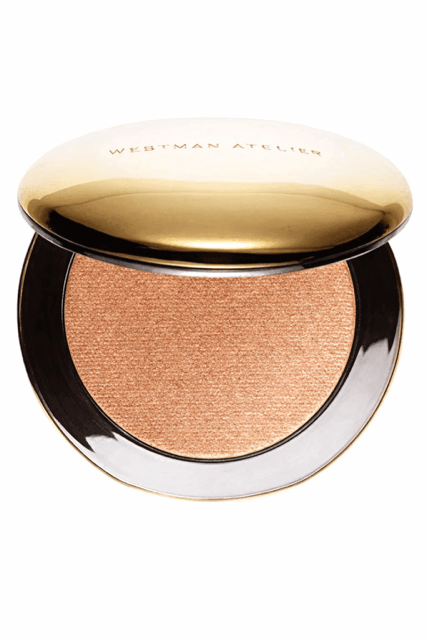
A cream highlight with a balmy texture that adds subtle luminosity back to the skin. Applied sparingly to areas where light naturally hits, it helps restore dimension without disrupting the surrounding soft-focus finish.
No. 5
How to Maintain a Soft-Focus Finish Without Looking Cakey
A soft-focus finish doesn’t remain static throughout the day. As the skin produces oil and makeup begins to settle, the surface can shift, making the finish appear heavier or less even. Adding more powder at this stage often builds on what’s already there, increasing density rather than restoring balance.
Maintaining the finish often comes down to how layers are adjusted, not reapplied. Reintroducing moisture can help soften the surface, allowing the existing layers to settle more evenly rather than sitting on top of one another.
Why it matters
A soft-focus effect depends on keeping the surface flexible enough for light to move through it. When layers become too dense, that movement is reduced, and the finish can appear more matte or textured over time.
A NOTE
If the finish starts to look heavier during the day, lightly misting the skin can help soften the surface so existing layers settle more evenly instead of building.

A lgihtweight facial mist that refreshes the skin and softens the look fo makeup without adding another layer. Used over powder, it helps reduce a dry or overly set appearance, allowing the finish to settle back into a more diffused, skin-like state.
Final Thoughts — When Setting Powder Dulls Skin: Maintaining a Soft-Focus Finish Without Looking Cakey
Setting powder doesn’t just reduce shine, it changes how light interacts with the skin. When the powder becomes more visible on the surface, the finish can shift from softly diffused to dull, depending on how it sits and wears over time.
Maintaining a soft-focus finish without looking cakey comes down to how the powder settles on the skin. When it remains subtle, the finish stays even and refined, allowing light to move through the skin rather than appearing flat or heavy.
For a more balanced, refined finish across different conditions, explore the Luster Selection.
Continue Your Glow Path
Current Stage: Maintenance (II) · Preserve
START HERE
Enhancement (I) · Upgrade
LEVEL UP
Adaptation (I) · Adjust

Glow doesn’t end here — it evolves. Keep building it, your way.