
A soft-focus finish doesn’t stay fixed once it leaves your mirror. The same setting powder that looks smooth and controlled at first can wear very differently depending on the air around you. In drier conditions, the finish can start to look tighter or more matte, while humidity can make it feel heavier or slightly over-set in certain areas.
That shift isn’t random. Climate changes how powder sits on the skin and how the finish holds throughout the day. As conditions change, the same makeup can read softer, duller, or more textured without anything else in your routine changing. Understanding that difference is what keeps your makeup finish looking consistent instead of unpredictable.

*Some links in this edit are affiliate links, which means we may earn a small commission if you choose to shop through them — at no extra cost to you. As an Amazon Associate, we earn from qualifying purchases. This content is for informational purposes only; please consult a professional before making changes to your routine.
How is your makeup finish changing?
- Looks tighter or more matte → Dry air can make powder sit more firmly and lose softness over time.
- Changes unevenly across the face → Some parts of the face can respond differently as conditions shift.
- Looks heavier or cakey → Humidity can change how makeup layers settle and hold together.
- Looks drier as the day goes on → Low humidity can affect how flexible the base feels underneath makeup.
GLOW PATH STAGE
Adaptation (I) · Adjust
No. 1
How Setting Powder Responds to Dry Air vs Humidity
In dry air, setting powder tends to sit more firmly on the surface as moisture leaves the skin more quickly. What looks smooth at first can begin to read tighter and more matte as the finish settles. The surface can start to look more uniform, with less movement in how it reflects light over time.
In humidity, the same powder behaves differently. Moisture in the air keeps the surface more active, which can make the finish feel heavier or slightly over-set in certain areas as it wears. Instead of tightening, the powder can hold unevenly, making the finish look more textured or dense as the day progresses.
Why it matters
The difference isn’t in the application, but in how the product responds after it’s on the skin. The same setting powder can look smooth and refined in one environment, then dull, or slightly cakey in another. That shift is what makes a finish feel inconsistent from one setting to the next.
A NOTE
If the finish looks balanced at first but changes once you move into a different environment, it’s often a sign that the powder is reacting to the air rather than the application itself. A formula that sits more evenly across the surface can help the finish hold its shape more consistently.
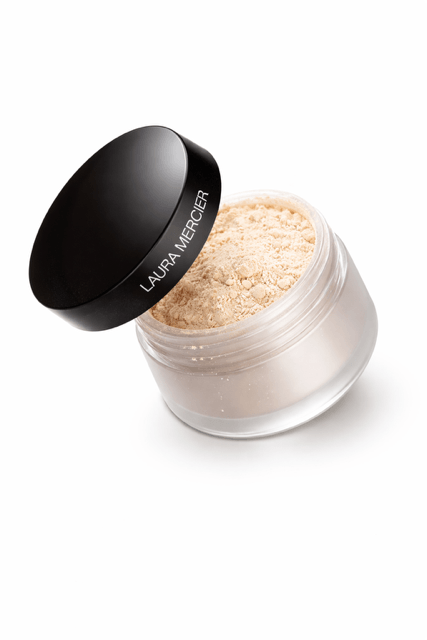
A finely milled loose powder that sets makeup without adding weight, allowing the finish to remain smooth and controlled across different conditions. It sits slightly on the surface, helping maintain a soft-focus effect without turning overly dry in low humidity or heavy in more humid environments.
No. 2
Why Makeup Looks Drier in Low Humidity
In low humidity, moisture leaves the skin more quickly, which changes how makeup sits and holds throughout the day. A finish that looks smooth and balanced at first can start to read tighter as the surface looses flexibility.Instead of diffusing light evenly, the finish can appear more matte, with texture becoming slightly more visible over time.
That shift doesn’t come from powder alone. As the base underneath begins to dry out, everything layered on top follows that change. The result is a finish that feels less responsive and more fixed in place, even if the initial application was light.
why it matters
When the surface becomes less flexible, powder is more likely to sit visibly rather than blend into the finish. What reads as dull or dry isn’t always excess product, but a change in how the base is holding underneath it. That’s why the same makeup can look softer in one environment and tighter in another.
A NOTE
If the finish starts to look tighter as the day goes on, it often reflects how the base is holding rather than how the powder was applied. A more flexible base layer can help the finish stay smoother as the environment shifts.
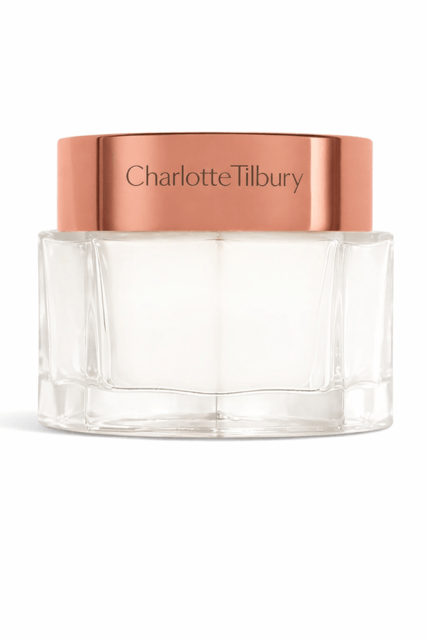
A richer face cream that creates a more cushioned base before makeup is applied, helping the surface hold its flexibility as moisture levels drop. It supports a smoother, more even finish so powder sits less visibly and the overall look stays soft rather than light or dry.
No. 3
Why Makeup Looks Heavier or Cakey in Humidity
In humid conditions, moisture in the air keeps the surface more active, which changes how makeup settles throughout the day. A finish that looks smooth at first can start to feel heavier as layers don’t set in the same way. Instead of staying light and diffused, the surface can begin to look more dense or slightly over-built in certain areas.
This isn’t always about using too much product. In humidity, makeup tends to hold differently, which can cause powder and base products to gather rather than stay evenly distributed. The result is a finish that looks thicker or more textured over time, even if initial application was balanced.
why it matters
When the surface remains more active, powder is less likely to stay evenly diffused. What reads as cakey or heavy isn’t always excess product, but a shift in how layers are holding together. That’s why makeup can look smooth in one environemnt and more built-up in another.
a note
Before applying makeup in humid conditions, focus on how smooth the surface feels rather than how much product you use. A more even base gives powder less opportunity to gather as the day goes on.
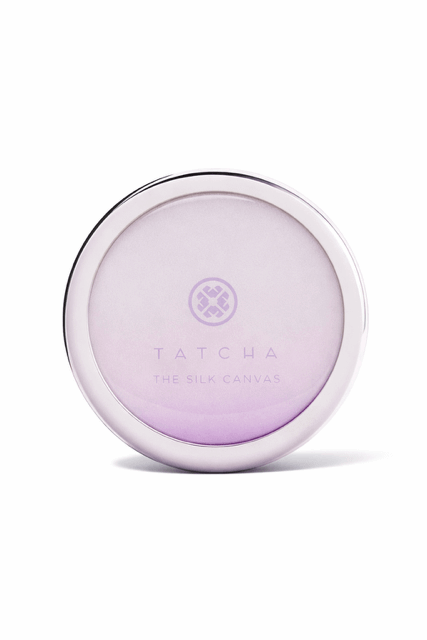
A smoothing primer that creates a more even surface before makeup is applied, helping reduce areas where product can gather. It supports a more consistent finish so powder stays diffused rather than building up in humid conditions.
No. 4
Where Setting Powder Reacts Differently Across the Face
Setting powder doesn’t wear the same across the entire face and climate makes those differences more noticeable. In dry air, areas with less natural movement, like under the eyes or around the mouth, can start to look more set as the surface tightens. The finish can appear slightly more matte in those areas compared to the rest of the face.
In humidity, the shift shows up in areas that naturally hold more warmth or moisture. The center of the face, including around the nose and forehead, can start to look heavier as powder settles unevenly. Instead of one overall change, the finish can look uneven, with certain areas appearing more set while others remain softer.
why it matters
Climate doesn’t just change how powder wears overall. It changes where the finish starts to shift first. What looks balanced at the start can become uneven depending on which areas respond to the environment more quickly.
A NOTE
If certain areas start to shift more than others in humid conditions, a light setting step after powder can help keep the finish more even as the day goes on.
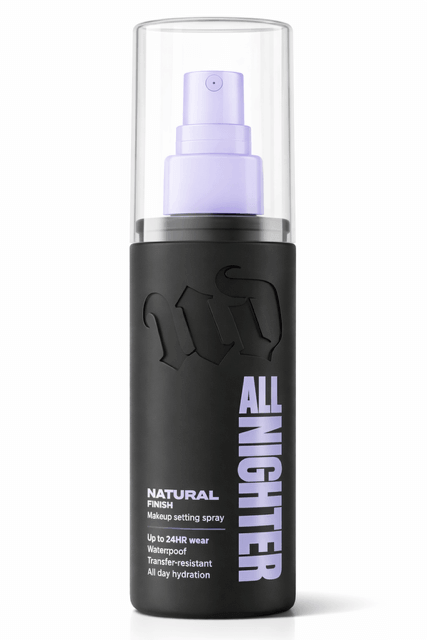
A setting spray that helps keep setting powder in place across the face, reducing uneven wear in areas that tend to shift more in humidity. It supports a more consistent finish so powder stays diffused rather than gathering in specific spots over time.
No. 5
How Climate Shifts the Way Setting Powder Wears Throughout the Day
As the day goes on, the way setting powder wears isn’t just about the product itself, but the environment it’s exposed to. In dry air, the finish can become more fixed, with less movement across the surface. In humidity, the opposite can happen. The finish can stay more active, with powder shifting or settling unevenly as moisture builds.
These changes don’t always happen all at once. The finish can look balanced at first, then gradually start to read differently depending on the conditions. What was smooth and diffused earlier in the day can begin to look more matte, heavier, or slightly uneven by the end.
Why it matters
How makeup wears over time is closely tied to the environment. The same setting powder can look consistent in one setting and less controlled in another, simply based on how conditions change throughout the day.
A NOTE
If the finish starts to shift midday, lightly pressing over areas that look more set or uneven can help bring the surface back to a more balanced state.
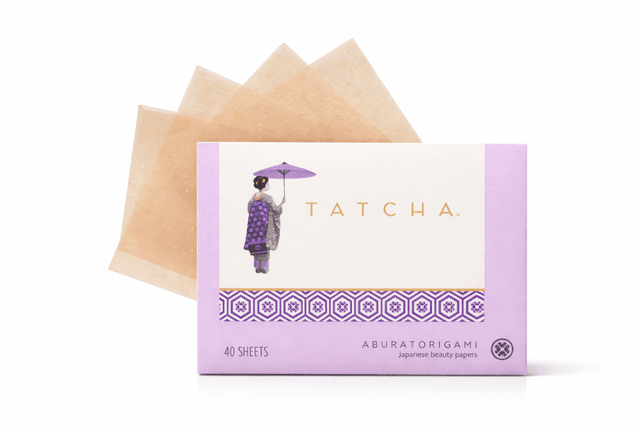
Lightweight blotting papers that absorb excess moisture without disturbing the makeup underneath, helping reset areas where setting powder has started to look heavier or uneven. They help achieve a more balanced finish throughout the day without adding more product.
Part of the Luster Selection
Final Thoughts — Why Setting Powder Looks Different in Dry Air vs Humidity: How Climate Affects Makeup Finish
Setting powder doesn’t behave the same in every environment. The way it sits, holds, and wears can shift depending on the air around it, which is why the same makeup look can look different from one setting to another. What starts as smooth and balanced can turn slightly dull, dry, or uneven as conditions shift.
Recognizing how those shifts happen makes the finish feel more consistent. Instead of reacting to what looks off, it becomes easier to anticipate how powder will wear, so the makeup continues to look even and controlled as the day goes on.
For a more balanced, refined finish across different conditions, explore the Luster Selection.
Continue Your Glow Path
current stage: Adaptation (I) · Adjust
EXPLORE ON
Maintenance (II) · Preserve

EXPLORE ON
Adaptation (I) · Adjust
LEVEL UP
Awareness (III) · understand
Glow doesn’t end here — it evolves. Keep building it, your way.