Dehydrated skin refers to a temporary lack of water within the surface layers, often influenced by climate shifts, indoor heating, or faster TEWL (transepidermal water loss). It changes how products sit and how the surface may feel. Unlike dry skin, which relates to low oil levels, dehydrated skin is about water balance rather than oil content.
In glow-forward skincare, dehydrated skin helps explain why lighter layers absorb quickly or seem to disappear between steps, especially when the skin barrier is unsettled. Hydrating steps followed by a moisturizer or occlusive-leaning finish are often used to create a more predictable surface so the rest of the routine stays consistent.
*Some links in this glossary are affiliate links, which means we may earn a small commission if you choose to shop through them — at no extra cost to you. As an Amazon Associate, we earn from qualifying purchases. Thank you for supporting GlamourTip.
How Dehydrated Skin Fits Into A Skincare Glow Routine
In a glow-forward skincare routine, dehydrated skin shapes how hydration and moisture steps are placed, especially when faster TEWL makes lighter layers fade more quickly.
- LAYERING — When dehydration is present, routines often layer humectants first, followed by a moisturizer to give those lighter steps something steadier to sit under. This sequence helps the routine feel more cohesive when earlier layers move or absorb too fast.
- TEXTURE & FORMAT — Gels and fluid hydrators tend to disappear quickly on dehydrated skin, while creams and balmy formats stay more noticeable between steps. Recognizing this difference helps guide when to reach for mid-weight versus richer textures.
- PAIRING — Pairing humectants with emollients or occlusive-leaning formats can create a more predictable surface during wear. These combinations help the routine maintain its intended flow without relying on active-driven changes.
- ROUTINE FIT — Dehydrated skin often shows up during seasonal shifts, post-travel periods, or low-humidity days when the surface loses water more quickly. These moments usually call for small adjustments — like adding mid-weight cream or extending spacing between steps — to keep glow routines feeling steady.
GLOW MOMENT When your layers seem to vanish faster than usual, take it as a cue that the surface may be leaning toward dehydrates skin. Adding a creamier step or adjusting the timing between layers can help the rest of your glow routine stay present long enough to build the finish you’re aiming for.
Why Dehydrated Skin Matters in Glow Routines
Dehydrated skin changes how long hydration and moisture steps stay noticeable on the surface, which affects the sequence and pacing of a glow routine. When water moves off the surface more quickly — whether from climate shifts, over-exfoliation, or higher TEWL — lighter layers tend to fade or absorb faster, making texture choices more important.
Understanding dehydration helps identify when your routine may need a mid-weight cream, a slower transition between steps, or a steadier end layer to the skin barrier doesn’t feel overwhelmed by rapid shifts. This clarity makes it easier to adjust glow routines seasonally or situationally, so that it stays coherent as conditions shift.
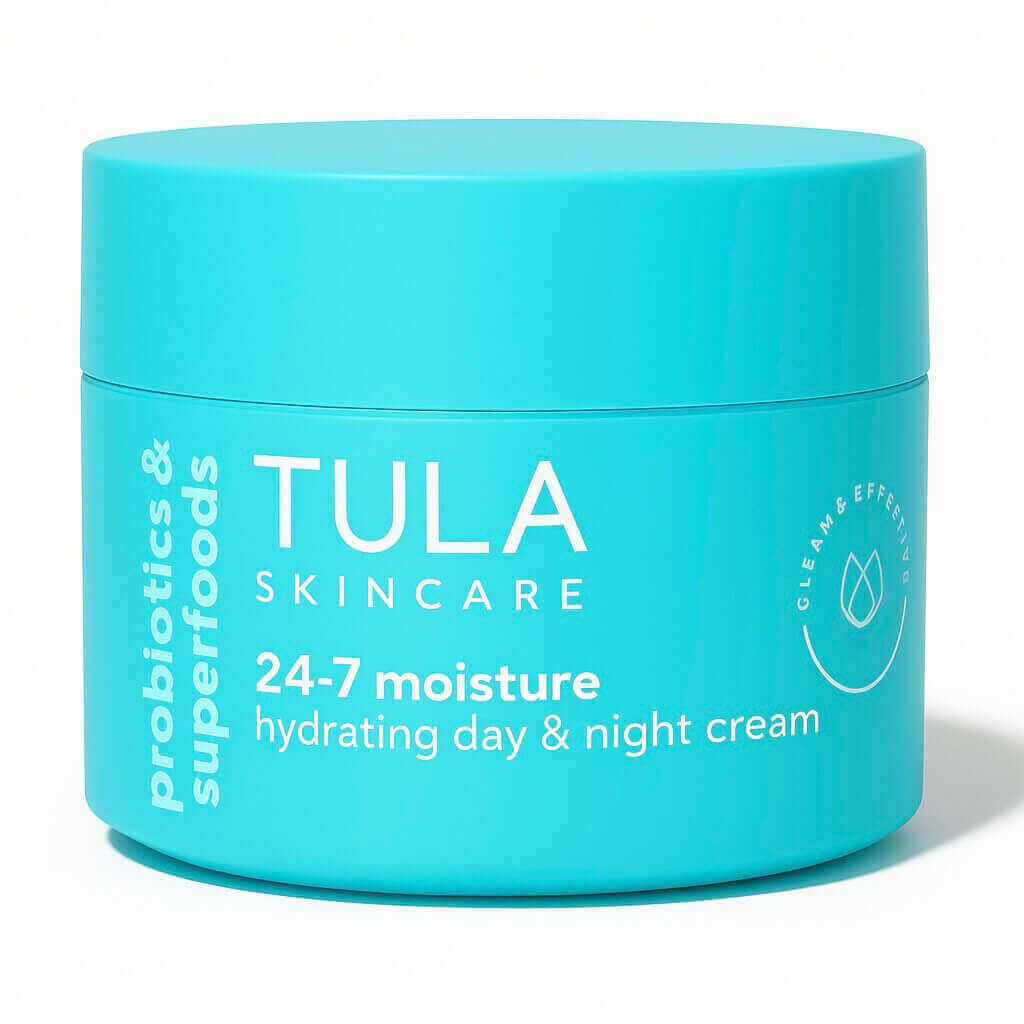
GlamourTip PICK
➢ TULA Skin Care 24-7 Hydrating Day & Night Cream
A creamy gel-cream hybrid with a soft bounce that’s characteristic of Tula’s everyday textures. The formula includes water-binding agents, emollients, and probiotic extracts, giving it a mid-weight feel that stays present longer than lighter gel hydrators (useful when dehydrated skin causes earlier steps to disappear quickly.) Its smooth, flexible finish pairs well with humectant serums and mid-weight creams, offering just enough hold for routines that need steadier transition between layers.
FAQ
How can I tell if my routine is reacting to dehydrated skin rather than dry skin?
Dry skin relates to low oil levels, while dehydrated skin shows up when water escapes more quickly from the surface, often influenced by climate or TEWL. You may notice that lighter layers absorb faster than usual, even if your moisturizer is the same.
Does dehydrated skin change how products layer in a glow routine?
Yes — dehydrated skin often causes gels and watery serums to disappear quickly, which can make transitions between steps feel less noticeable. This is when adjusting pacing or adding a mid-weight cream can help the skin barrier maintain a steadier feel.
What ingredients or formats tend to work well when my skin feels dehydrated, without relying on active-driven steps?
Humectants, mid-weight creams, and emollient textures can create a more predictable surface when dehydration is present. These formats sit more evenly on the skin barrier, giving the routine a clearer structure between layers.
Can dehydrated skin appear even if my routine already includes a moisturizer?
Yes — dehydration relates to water balance, so it can occur even when a moisturizer is part of your lineup, especially in low-humidity climates or with faster TEWL. In these moments, adjusting textures or pacing is often more helpful than changing the targeted steps built around ingredients like AHAs, BHAs, or retinoids.