
Glow in skincare and beauty refers to the fresh, radiant, light-reflective quality that makes skin appear healthy, smooth, hydrated, and naturally alive under light. It isn’t about shimmer, glitter, or excessive shine — true glow comes from the way balanced skin catches and reflects light across the complexion. In makeup, glow is often used to describe finishes that look luminous, soft, and skin-like rather than flat or overly matte.
Glow can come from many factors working together, including hydration, even skin tone, texture balance, barrier support, and thoughtful layering. This is why glow-forward routines often extend beyond skincare or makeup alone and can also include wellness rituals, sleep, nourishment, and daily habits that influence how fresh, balanced, and visually awake the complexion appears overall.
*Some links in this edit are affiliate links, which means we may earn a small commission if you choose to shop through them — at no extra cost to you. As an Amazon Associate, we earn from qualifying purchases. This content is for informational purposes only; please consult a professional before making changes to your routine.
What Creates Glow in Skincare and Beauty
Glow is usually treated as the overall complexion effect created when hydration, texture, makeup finish, and daily rituals begin working together cohesively. It tends to build through consistency, balance, and the way skin reflects light across the surface under natural conditions.
- HYDRATION & BALANCE — Well-layered hydration helps skin appear fresher and more light-reflective, especially when moisture feels evenly distributed across the complexion rather than concentrated in isolated areas.
- TEXTURE & LIGHT — Smooth texture changes how glow is perceived under natural light. Flaking, roughness, or overly matte buildup can interrupt the softer continuity associated with glowing skin.
- MAKEUP FINISH — Lightweight complexion products, radiant finishes, skin tints, and breathable textures are often used to enhance glow without fully masking natural skin dimension underneath.
- WELLNESS & ROUTINE — Glow is also frequently connected to sleep, nourishment, stress balance, and daily rituals that influence how rested, refreshed, and visually awake the complexion appears overall.
Why We Love Glow
Glow in skincare and beauty has become one of the most enduring goals because it isn’t tied to a single trend, product category, or makeup style. A glowing complexion can look minimal or polished, makeup-free or fully finished, which is why the concept continues to resonate across skincare, makeup, and wellness routines alike.
What makes glow so compelling is that it often reflects balance than excess. Unlike beauty ideals that rely on more coverage, more color, or more intensity, glow is usually associated with skin that appears comfortable, cared for, and naturally vibrant. It adapts to different ages, routines, and personal styles, which is why glow remains one of the few beauty concepts that feels both timeless and universally personal.
Glow MOMENT
When building a glow-forward routine, look for products that layer comfortably with the rest of your regimen. Hydration, breathable textures, and softer finishes often creates a more natural-looking glow than relying on shimmer or heavy illumination alone. Glow tends to be cumulative — the result of many small decisions working together rather than one dramatic step.
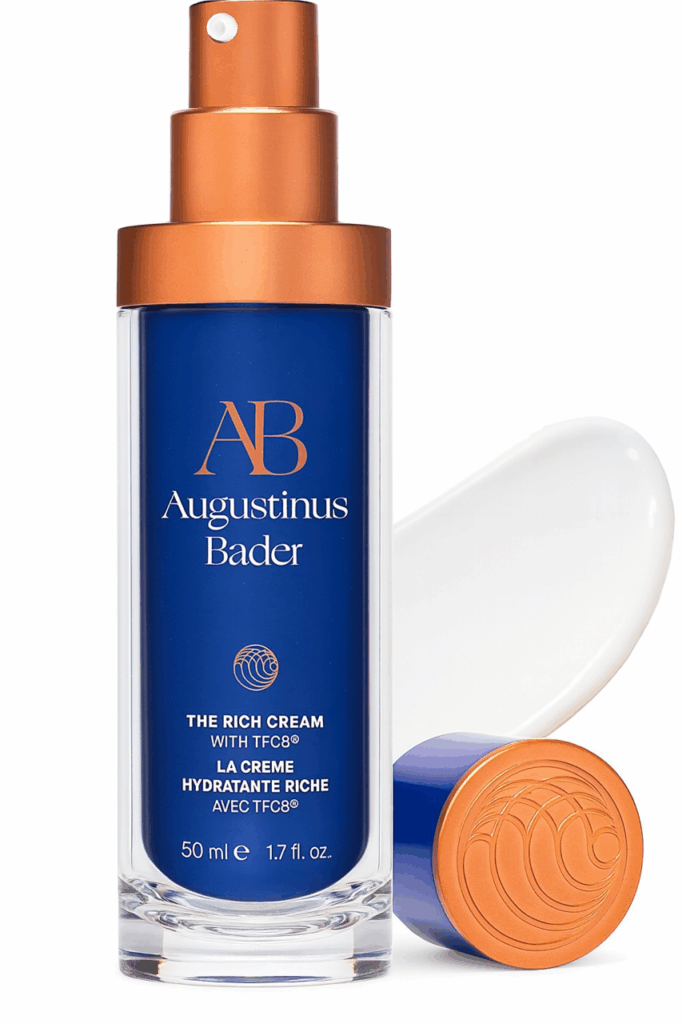
A lightweight moisturizer with a refined, skin-first finish that feels equally at home in skincare-focused and makeup-prep routines. The pearly texture absorbs comfortably without leaving behind excess shine, allowing the complexion to look naturally fresh, balanced, and luminous.
It fits especially well into glow-focused routines because it supports the broader aesthetic many people associate with glowing skin: softness, hydration, comfort, and complexion that appears healthy-looking under natural light. Rather than creating one specific finish, the formula layers seamlessly into routines centered on overall glow.
FAQ
What does glow mean in skincare?
In skincare, glow refers to the overall appearance of skin that looks hydrated, smooth, radiant, and naturally light-reflective. Rather than one specific product effect, glow is usually the result of multiple factors working together across a routine.
What does glow mean in beauty?
In beauty, glow is often used to describe a fresh, luminous, healthy-looking complexion. The term can apply to skincare, makeup, wellness routines, and overall appearance, which is why it has become one of the most widely used concepts in modern beauty.
Is glow the same as radiance?
Not exactly. Glow is the broader beauty outcome, while radiance usually refers more specifically to the way skin reflects light. Radiance can contribute to glow, but glow can also be influenced by hydration, texture, even skin tone, and makeup finish.
Is glow the same as dewy finish?
No. A dewy finish describes a specific hydrated-looking makeup or skincare finish, while glow refers to the overall appearance of the complexion. Skin can look glowy without appearing noticeably dewy, and a dewy finish is only one way glow may be expressed.
What creates glowing skin?
Glow is often associated with hydration, texture balance, even skin tone, radiance, and routines that support a fresh, comfortable-looking complexion. In beauty, glowing skin is usually viewed as the result of multiple factors working together rather than one product or ingredient alone.
For a more balanced, refined finish across different conditions, explore the Luster Selection.
Continue Your Glow Path
Current Stage: Awareness (I) · Discover
START HERE
Awareness (II) · Learn
Awareness (III) · Understand

EXPLORE ON
Balance (II) · Stabilize
LEVEL UP
Enhancement (I) · Upgrade
Glow doesn’t end here — it evolves. Keep building it, your way.