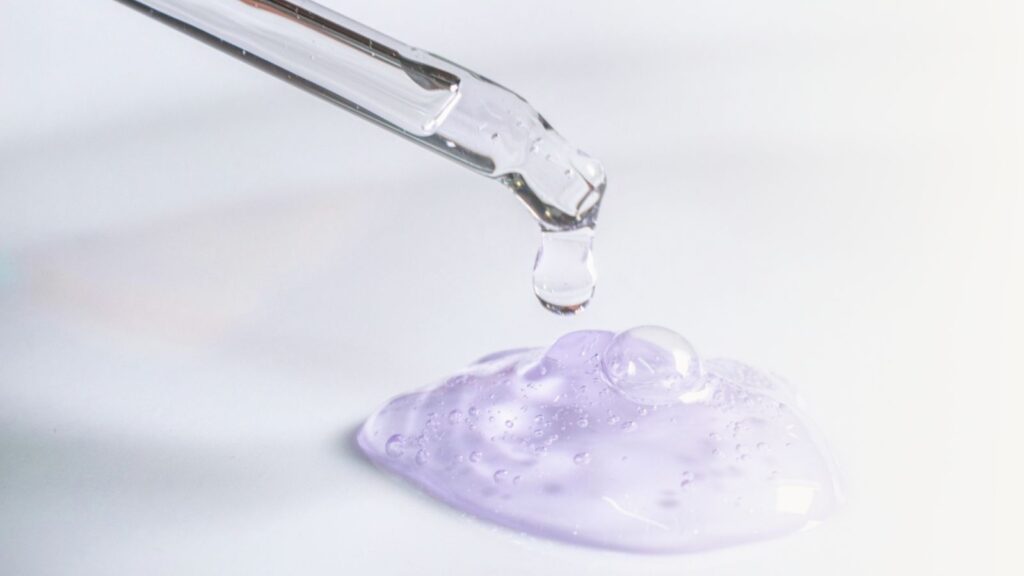
Hyaluronic acid is often described as skincare’s hydration magnet — a humectant ingredient recognized for its ability to attract and hold water at the skin’s surface. With a naturally lightweight feel, it has become one of the most referenced names in beauty when the conversation turns to moisture and radiance.
It appears most often in serums, toners, and moisturizers, where its gel-like textures layer easily with other steps in a glow routine. As part of the broader humectant family, hyaluronic acid is frequently paired with ingredients like glycerin for an even more balanced effect. Whether used in a single step or across a multi-layer routine, it remains a cornerstone for building hydration into the foundation of glow.
*Some links in this glossary are affiliate links, which means we may earn a small commission if you choose to shop through them — at no extra cost to you. As an Amazon Associate, we earn from qualifying purchases. Thank you for supporting GlamourTip.
How Hyaluronic Acid Fits Into A Skincare Glow Routine
In a glow-forward skincare routine, hyaluronic acid plays a flexible role that adapts depending on layering, texture, and product pairings.
- LAYERING — Hyaluronic acid is often applied before moisturizer or SPF, where its lightweight feel makes it easy to use in more than one layer. This flexibility allows it to work in both single-step and multi-step routines.
- TEXTURE & FORMAT — Most often appearing in gel-like serums, essences, or lightweight moisturizers, HA blends easily into routines without overshadowing other steps. Its refreshing consistency makes it a popular choice across different product types.
- PAIRING — Commonly combined with glycerin, emollients, or ceramides, hyaluronic acid supports hydration-focused blends that help round out a formula. These combinations make it a staple in many glow-first approaches.
- ROUTINE FIT — Its adaptable nature means hyaluronic acid can work across seasons, often favored in warmer weather or daytime routines when layers are kept lighter.
GLOW MOMENT For a boost of hydration, try mixing a few drops of your hyaluronic acid serum with a bit of foundation or concealer. This can help create a smoother makeup application and a more vibrant, dewy-looking finish.
Why We Love Hyaluronic Acid For Glow
Hyaluronic acid is a versatile hydrating ingredient that fits into any glow routine, from minimalist to multi-step. Its cosmetic function is to help condition the skin, which can contribute to a smoother, hydrated-looking finish. This can also help other products, like makeup, appear more seamless. By supporting the feeling of surface hydration, hyaluronic acid can help set the stage for a refreshed and vibrant look.
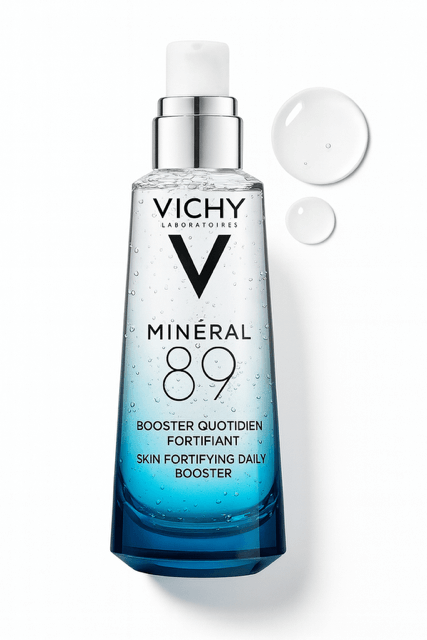
GlamourTip PICK
➢ Vichy Mineral 89 Fortifying & Hydrating Daily Skin Booster
This popular serum is formulated with 89% mineral-rich volcanic water and hyaluronic acid. It has a gel-like texture that feels lightweight on the skin and is often used as a first step in a routine. It can be incorporated easily into a glow-focused regimen, whether it is used before an SPF in the morning or layered with other products at night. This makes it a suitable option for those seeking a glow-focused product to support their hydrating routine.
FAQ
Can I use hyaluronic acid every day?
Yes, many products that feature hyaluronic acid are formulated for daily use. You can often include them in both morning and nighttime routines.
Does hyaluronic acid go before or after moisturizer?
For optimal application, use your hyaluronic acid product on slightly damp skin before applying a moisturizer. Following with a moisturizer can help create a layered feeling of hydration.
Can I mix hyaluronic acid with other actives?
Because hyaluronic acid products are focused on hydration, they can be a versatile part of a routine that includes other skincare ingredients, such as exfoliants or retinoids. As with any combination of ingredients, it’s always recommended to observe how your skin responds to a new routine.
What’s the difference between hyaluronic acid and glycerin?
Hyaluronic acid and glycerin are both hydrating ingredients known as humectants. In product formulation, hyaluronic acid is often used to provide a hydrated feel on the skin’s surface. Glycerin is also used for its hydrating properties. When included together in products, they contribute to a well-conditioned feel, which can lead to the appearance of a refreshed and vibrant complexion.