In skincare, inflammation refers to the skin’s heightened response to internal or external stressors, which can influence how products feel and behave on the surface. It often appears alongside shifts in the skin barrier, where textures and routines that once felt seamless become more noticeable or harder to maintain.
In glow-forward skincare, inflammation often signals a transition toward barrier support or barrier repair, especially in the context of sensitive skin. Rather than being treated as a standalone concern, inflammation helps explain why certain textures, pacing, or combinations may feel less compatible until the routine becomes steadier again.
*Some links in this glossary are affiliate links, which means we may earn a small commission if you choose to shop through them — at no extra cost to you. As an Amazon Associate, we earn from qualifying purchases. Thank you for supporting GlamourTip.
How Inflammation Fits Into A Skincare Glow Routine
In a glow-forward skincare routine, inflammation influences how textures, pacing, and layering choices are structured when the surface becomes more reactive.
- LAYERING — Layering tends to feel more manageable when routines lean toward fewer, steadier steps rather than frequent changes. This is where barrier support becomes central, helping routines stay cohesive when the skin barrier is more reactive.
- TEXTURE & FORMAT — Inflammation often makes highly transformative or fast-absorbing textures feel more noticeable during wear. Creams, gentle emulsions, and uniform formats are commonly used to keep the routine feeling predictable, especially when sensitive skin is part of the picture.
- PAIRING — Pairing usually shifts toward simpler combinations that don’t compete on the surface. These moments often overlap with barrier repair phases, where routines benefit from fewer overlapping textures and clearer step separation.
- ROUTINE FIT — Inflammation can appear during seasonal transitions, post-exfoliation periods, or after routine overload. In these phases, glow routines tend to prioritize consistency and pacing so the surface isn’t constantly adapting to new variables.
GLOW MOMENT When your routine starts feeling harder to layer or textures seem more noticeable than usual, it can be a sign that inflammation is present. Slowing the pace, reducing overlap between steps, and leaning into barrier support can help your glow routine feel more stable while the skin barrier regains its rhythm.
Why Inflammation Matters in Glow Routines
Inflammation is one of the clearest signals that a glow routine has moved out of alignment with the current state of the skin barrier. When this happens, familiar textures or layering patterns may no longer feel interchangeable, making routine choices feel less forgiving than usual.
Understanding inflammation helps explain why glow routines sometimes pause progression and return to barrier support or repair phases instead of continuing to add variety. This awareness allows glow routines to stay intentional and adaptable, rather than reactive, as conditions shift.
GlamourTip PICK
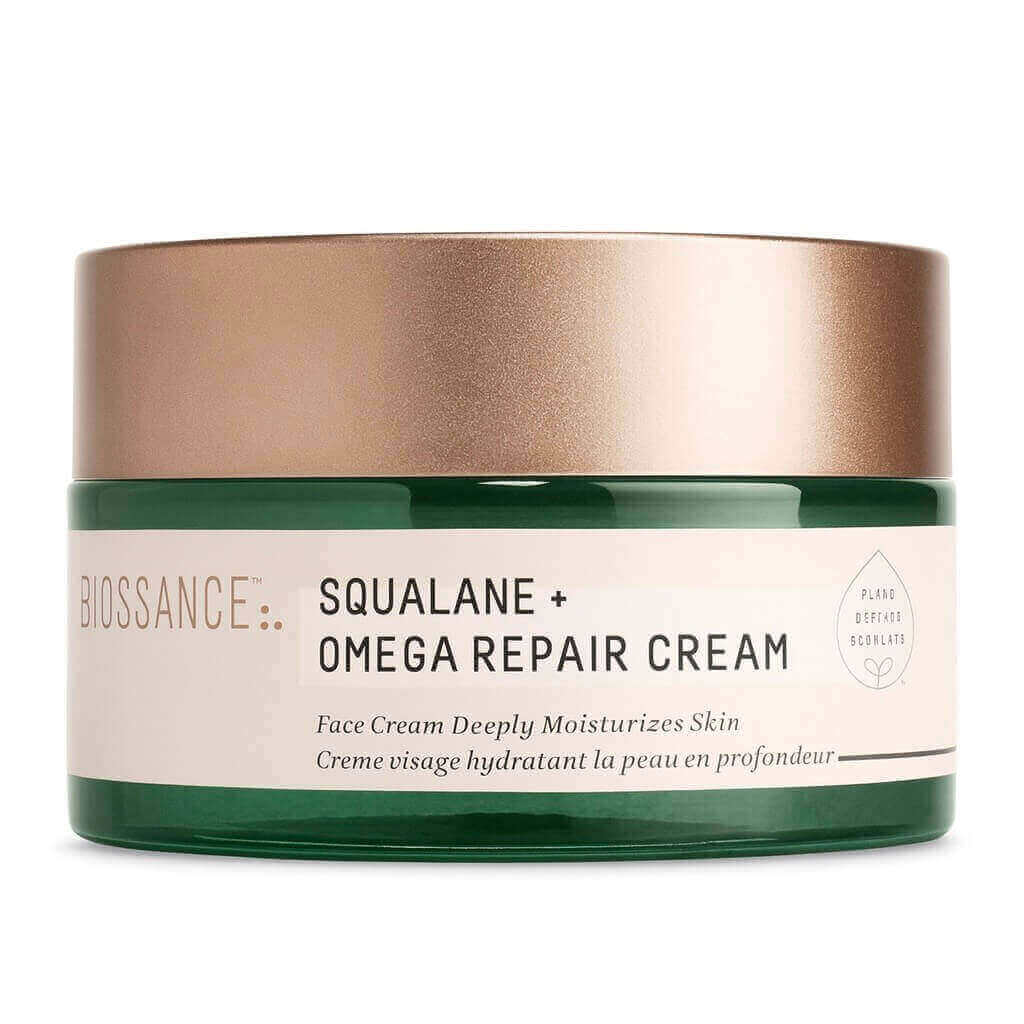
➢ Biossance Squalane + Omega Repair Cream
A rich, lipid-forward cream with a dense yet pliable texture that settles evenly over the skin without feeling heavy or waxy. The combination of squalane and omega fatty acids gives the formula a substantial feel that works well when inflammation changes how products layer or register during wear. Its cushiony finish pairs naturally with hydrating serums and simplified routines, creating a more stable surface when the skin barrier feels reactive. This texture fits seamlessly into glow routines that shift toward barrier support or barrier repair, where consistency and predictability matter more than variety.
FAQ
How does inflammation affect the way a glow routine progresses over time?
Inflammation can temporarily interrupt routine progression by making textures or layering patterns feel less interchangeable than usual. Recognizing this shift helps explain why glow routines sometimes pause experimentation and lean into steadier formats instead.
Is inflammation always visible, or can it show up through routine behavior?
Inflammation isn’t always something you see — it often shows up through how products register during wear or how easily routines become disrupted. Changes in layering tolerance or texture sensitivity can reflect shifts in the skin barrier even without visible signs.
How is inflammation different from sensitive skin in skincare routines?
Sensitive skin describes a tendency to react easily, while inflammation reflects a heightened state that can appear even in previously stable routines. In practice, inflammation often prompts temporary shifts toward barrier support or repair, even in routines that usually feel stable and predictable.
Why do glow routines often simplify when inflammation is present?
When inflammation enters the picture, routines tend to rely on fewer variables so the surface isn’t constantly adapting to new inputs. This simplification helps maintain routine cohesion while the skin barrier moves back toward steadier behavior.