TEWL, or transepidermal water loss, refers to the movement of water from the skin’s surface into the surrounding air. It’s a natural process that can become more noticeable when the skin barrier feels unsettled or when the surface shifts towards dehydrated skin, making routines more sensitive to climate and texture changes.
In glow-forward skincare, TEWL helps explain why certain textures behave differently across seasons or in low-humidity environments. Steps involving occlusives, mid- to rich-weight moisturizers, or balm-like finishes are often used to create steadier surface layers so the rest of the routine sits more predictably during wear.
*Some links in this glossary are affiliate links, which means we may earn a small commission if you choose to shop through them — at no extra cost to you. As an Amazon Associate, we earn from qualifying purchases. Thank you for supporting GlamourTip.
How TEWL Fits Into A Skincare Glow Routine
In a glow-forward skincare routine, TEWL shapes how hydration and moisture steps are arranged, especially when the surface leans toward dehydrated skin or the skin barrier feels unsettled.
- LAYERING — TEWL becomes more relevant when lighter layers disappear quickly, signaling that your routine may need added weight or pacing. This is often when hydrating steps are followed by creams or occlusives to keep textures from shifting too fast.
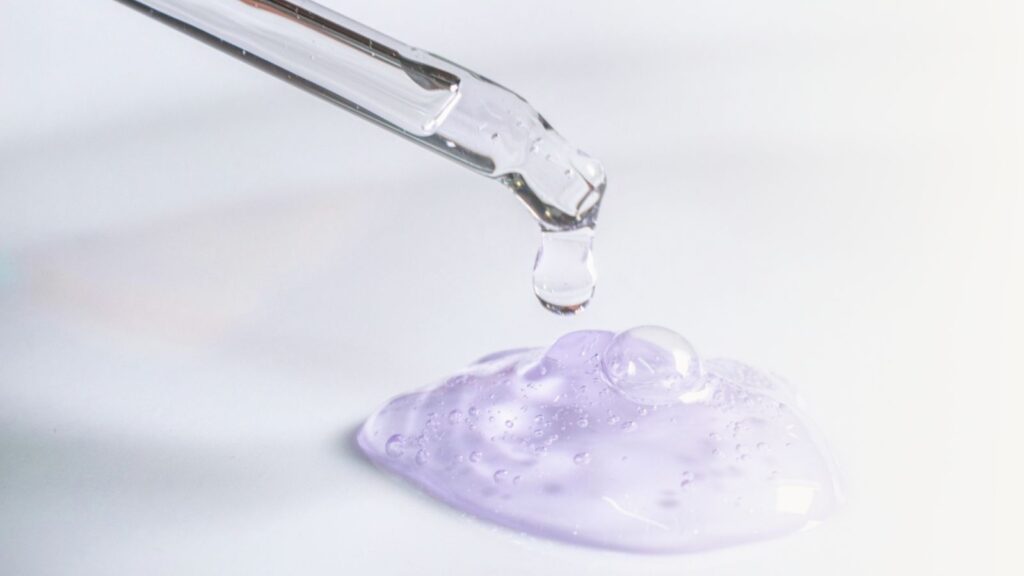
- TEXTURE & FORMAT — Different textures interact with TEWL at different speeds — gels tend to move quickly, while balms and ointments stay put. Understanding this helps routines feel more intentional when choosing between lighter hydration or richer moisture formats.
- PAIRING — Pairing humectants with mid-weight moisturizers can create more predictability in routines where TEWL spikes during dry climates. These combinations help each step settle into place without relying on overly active formulas.
- ROUTINE FIT — TEWL is especially noticeable during winter, travel, or low-humidity days when the surface needs steadier layers to stay comfortable. These moments often prompt small shifts — like adding a balm or adjusting timing — to help the routine maintain its intended flow.
GLOW MOMENT When your routine starts feeling like it fades too quickly, pay attention to how fast your lighter layers seem to disappear. That shift often reflects changes in TEWL, and adding a creamier or more occlusive step can help your glow lineup stay present for longer stretches.
Why TEWL Matters in Glow Routines
TEWL influences how long hydration and moisture steps remain present on the surface, which affects how the rest of your glow routine behaves throughout the day. When TEWL rises — whether from low humidity, travel or shifts in the skin barrier — lighter layers tend to move more quickly, making texture choices and pacing more noticeable.
Understanding TEWL helps explain when your routine may need added weight, slower transitions, or support from occlusives to keep products from disappearing too fast. This clarity makes glow routines easier to adjust seasonally or situationally without relying on active-driven changes.

GlamourTip PICK
➢ Skinfix Triple Lipid-Peptide Cream
A plush, lipid-rich cream with a cushiony, occlusive-adjacent finish that sits comfortably over hydration steps. The formulas blend of ceramides, fatty acids, and conditioning lipids gives it a substantive, settled texture that works well when TEWL becomes more noticeable in a routine. Its soft, creamy weight integrates easily with hydrating serums and mid-weight moisturizers, creating a final layer that keeps earlier steps from moving too quickly. This makes it a natural fit for evenings or colder-weather lineups when your glow routine benefits from a more anchored endpoint.
FAQ
What does TEWL mean in everyday skincare, and why does it come up so often in routine discussions?
TEWL describes how water naturally escapes from the skin’s surface, which affects how long hydration and moisture steps remain noticeable in a routine. Understanding it helps explain why certain textures shift faster than others on the skin barrier.
How does weather or indoor heating influence TEWL in glow routines?
Dry climates, winter air, and constant heating can increase the pace at which surface water evaporates, making lighter layers feel shorter-lived. These changes often prompt small adjustments — like adding mid-weight creams or occlusives — to keep routines feeling cohesive.
Is TEWL the same as dry or dehydrated skin?
No, TEWL refers to water movement from the skin’s surface, while dehydrated skin describes a temporary lack of water within the surface layers themselves. You can experience one without the other, which is why texture choices matter when arranging a glow routine.
Which types of products tend to influence TEWL most noticeably in a skincare routine?
Lighter gel hydrators and fluid serums tend to move quickly, making TEWL more noticeable in low-humidity conditions. Creams, balms, and occlusive-leaning moisturizers sit more steadily on the surface, helping the rest of the routine stay in place during wear.