
Uneven skin texture refers to inconsistencies in how the skin’s surface feels or behaves, often appearing as roughness, bumpiness, dry patches, surface buildup, or areas that don’t feel smooth to the touch. Unlike uneven skin tone, which relates to color variation, uneven texture is defined by changes in the skin’s physical surface.
In glow-forward skincare, uneven texture is closely tied to how products layer, how makeup sits on the skin, and how consistently the surface reflects light. It’s commonly associated with buildup, congestion, disrupted exfoliation balance, or inconsistent hydration layering — all of which can affect whether skin appears polished, refined, or visually smooth from one area to another.
*Some links in this edit are affiliate links, which means we may earn a small commission if you choose to shop through them — at no extra cost to you. As an Amazon Associate, we earn from qualifying purchases. This content is for informational purposes only; please consult a professional before making changes to your routine.
How Uneven Skin Texture Fits Into A Glow Routine
In a glow-forward skincare routine, uneven skin texture influences how smoothly products spread, how consistently makeup settles, and how refined the surface appears under natural light.
- LAYERING — Texture irregularities often become more noticeable when layers compete for absorption or sit unevenly across the surface. This is why routines focused on texture refinement usually pay close attention to exfoliation pacing and hydration layering rather than simply adding more products.
- TEXTURE & FORMAT — Fluid serums, lightweight emulsions, and flexible cream textures tend to move more evenly across textured areas than dense or fast-setting formulas. Product format can significantly change whether the surface reads smooth, patchy, or interrupted during wear.
- PAIRING — Uneven texture is frequently connected to routines that combine exfoliating acids, hydrators, and barrier-supportive layers within the same lineup. Balanced pairings help reduce friction between steps so the surface feels more uniform from one layer to the next.
- ROUTINE FIT — Texture shifts often appear after routine overload, dehydration, buildup, or inconsistent exfoliation patterns. In these phases, glow-forward routines typically focus on restoring surface continuity before introducing more intensive refinement steps.
GLOW MOMENT
If makeup suddenly starts catching on certain areas, skincare pills more easily, or the surface feels inconsistent from one part of the face to another, uneven texture is often the underlying factor. Small shifts in exfoliation pacing or hydration layering can noticeably change how smooth and refined the complexion appears overall.
Why Uneven Skin Texture Matters in Glow Routines
Uneven skin texture affects how smoothly skincare and makeup sit on the surface throughout the day. When texture becomes more pronounced, products can catch, separate, or apply inconsistently — changing the overall finish of the routine even when the products themselves haven’t changed.
This is why glow-forward routines often focus on exfoliation balance and hydration layering when texture refinement becomes a priority.
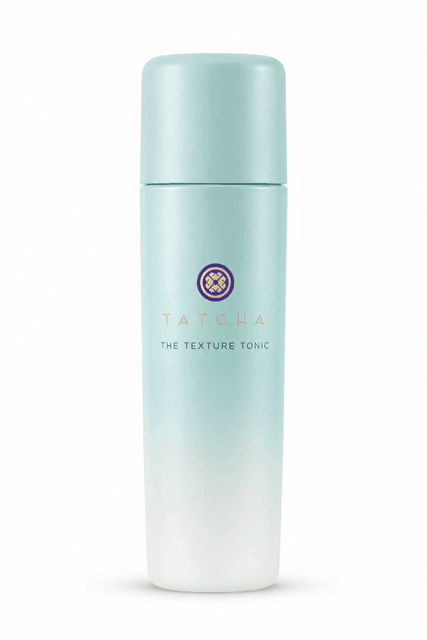
A lightweight liquid exfoliant with a silky, water-light feel that absorbs quickly without leaving the surface tight or overly stripped. The formula is designed around texture refinement, making it especially fitting in routines where makeup catches unevenly or skincare layers stop sitting smoothly across the face.
Its fluid format integrates easily alongside hydration-focused steps, allowing the surface to feel more continuous without disrupting the overall rhythm of the routine. Within glow routines centered on smoothness and refinement, this kind of texture-focused step often changes how the entire complexion reads under makeup and natural light.
FAQ
Why does makeup emphasize uneven skin texture even when the shade match is correct?
Uneven texture changes how foundation and complexion products spread across the surface. Even when the color match is accurate, rough patches, buildup, or inconsistent hydration can cause makeup to catch light unevenly and appear less smooth overall.
Can dehydration make skin texture look more noticeable throughout the day?
Yes — when hydration levels shift, the surface can begin to feel tighter or less flexible, which often makes texture more visible under skincare and makeup. This is why hydration layering is frequently adjusted in routines focused on surface refinement.
How does over-exfoliation affect uneven skin texture?
Over-exfoliation can disrupt how evenly the surface holds products, making texture feel more reactive or inconsistent from one area to another. In these phases, routines often pull back on exfoliation frequency and focus more heavily on barrier-supportive layers.
Why can skin texture look smooth in skincare but uneven under makeup?
Many skincare products create temporary surface slip or reflectivity that can make texture appear softer immediately after application. Makeup tends to reveal whether the underlying surface is actually consistent, especially once products begin settling throughout the day.
For a more balanced, refined finish across different conditions, explore the Luster Selection.
Continue Your Glow Path
Current Stage: Awareness (I) · Discover
START HERE
Awareness (III) · Understand

EXPLORE ON
Balance (II) · Stabilize

LEVEL UP
Enhancement (I) · Upgrade
Glow doesn’t end here — it evolves. Keep building it, your way.