
A glowing makeup finish isn’t created by shimmering products alone. Light interacts with the skin’s surface — reflecting, diffusing, or scattering depending on texture, layering, and the type of finish. That’s why the same makeup can appear softly luminous in one moment and noticeably flatter in another.
In this guide, GlamourTip looks at what creates a glowing makeup finish: how light reveals texture, how different finishes change reflection, and why radiance appears different depending on the lighting around you. Understanding these factors makes it easier to refine a glowing makeup look that appears balanced beyond the mirror.

*Some links in this edit are affiliate links, which means we may earn a small commission if you choose to shop through them — at no extra cost to you. As an Amazon Associate, we earn from qualifying purchases. Thank you for supporting GlamourTip.
No. 1
How Light Reveals a Luminous Makeup Finish
Light direction affects a glowing makeup finish.
When light reaches the skin, it either reflects smoothly, scatters in different directions, or becomes absorbed depending on the surface it meets. Makeup that appears luminous usually reflects light softly and evenly, which is what creates the impression of radiance.
Small variations in the surface can change that reflection. When foundation layers sit smoothly and the skin’s texture is balanced, light tends to bounce back in a more diffused way. When the surface becomes uneven — through dryness, heavy layering, or disrupted base products — light begins to scatter differently, which can make the finish look duller or more textured.
Why it matters
Glowing makeup is less about sparkle and more about controlled reflection. Understanding what creates a glowing makeup finish begins with understanding how light behaves on the skin. When the surface allows light to diffuse evenly, the finish appears luminous rather than shiny.
A NOTE Before adding any highlighter, check how your base is reflecting light. If the surface already looks softly reflective, press a small amount of foundation over areas that appear flat rather than layering shimmer. This helps restore even light reflection across the skin instead of creating isolated shine.

THE LUSTER SELECTION
complexion enhancer
→ Charlotte Tilbury Hollywood Flawless Filter
This complexion enhancer creates a softly reflective surface that helps light diffuse evenly across the skin. The fluid texture blends easily into foundation or worn alone, creating the kind of gentle reflection that contributes to a luminous makeup finish.
No. 2
How Skin Texture Changes the Way Light Reflects on Makeup
Texture changes the direction of reflection.
Light reflects differently depending on how smooth or uneven the skin’s surface appears once makeup is applied. When the surface is relatively even, light tends to diffuse softly across it, which is what creates the impression of a luminous finish. When texture becomes more noticeable, light reflects in multiple directions instead of spreading evenly.
This is why glowing makeup can sometimes appear inconsistent across your complexion. Areas where the skin surface is smoother often reflects light softly, while areas with dehydration, flaking, or heavier product buildup can interrupt that reflection. The finish may still contain luminous products, but the way light interacts with the surface begins to change.
why it matters
Understanding what creates a glowing makeup finish also involves understanding how surface texture influences light reflection. Makeup appears most balanced when the skin’s surface allows light to spread evenly rather than breaking it into scattered highlights.
A NOTE If light begins catching unevenly on textured areas, pause before adding more product. Press a small amount of moisturizer or hydrating base into the area instead, then tap complexion layer back into place. Resetting the surface first helps the finish reflect light more evenly.
THE LUSTER SELECTION
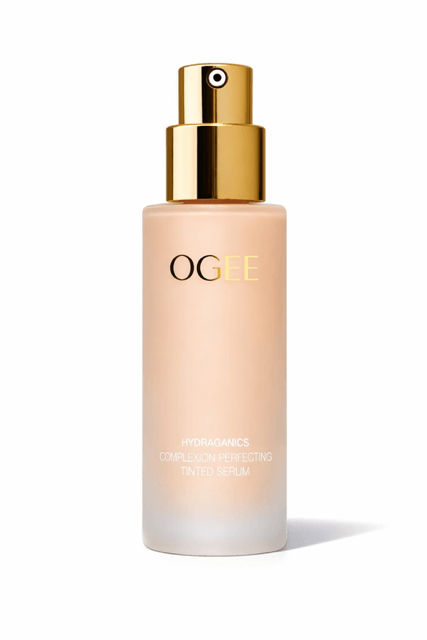
hydrating Foundation
→ Ogee Complexion Perfecting Serum Foundation
This lightweight tinted serum blends sheer mineral pigment with a base of jojoba oil, hyaluronic acid, and aloe, creating a lightweight complexion layer that sits comfortably on the skin. The fluid texture allows the pigments to spread easily without building heavier coverage, helping light reflect more evenly across the surface.
No. 3
Luminous vs. Matte: How Makeup Finish Affects Skin Radiance
Finish determines how light behaves on the surface.
Makeup finishes influence how light reflects once products are layered onto the skin. Luminous formulas tend to allow light to diffuse across the surface, while matte textures absorb more light and reduce reflection. The difference isn’t just visual — it changes how radiance appears once makeup is fully blended.
Because of this, the finish of each layer plays a role in the overall effect. A luminous base allows light to travel more freely across the surface, while matte products control where reflection appears. When these finishes are balanced carefully, they create dimension instead of a flat or overly shiny surface.
why it matters
A glowing complexion isn’t created by one product alone — it comes from how different finishes interact across the skin. When matte and luminous textures are placed intentionally, the surface can reflect light in a way that feels balanced rather than overly reflective.
A NOTE If your luminous base begins looking overly reflective, lightly press a small amount of translucent powder only where excess shine appears instead of mattifying the entire complexion. Keeping the rest of the surface untouched helps maintain the contrast that gives a luminous finish its dimension.

THE LUSTER SELECTION
setting powder
→ Laura Mercier Translucent Loose Setting Powder
This loose setting powder sets the complexion while allowing the rest of the base to maintain a natural-looking finish. The formula includes vitamin C + E alongside finely milled powders that help control excess shine where reflection becomes stronger. In our experience, a light press through the center of the face keeps the finish balance while leaving the rest of the complexion looking softly luminous.
No. 4
Why Some Makeup Looks Soft While Other Looks Shiny
Reflection quality shapes the finish.
Two makeup looks can contain similar products yet appear very different once light hits the surface. In some cases the reflection looks soft and diffused, creating a gentle luminosity. In others, the reflection appears sharper and more concentrated, which is when makeup begins to look shiny rather than softly radiant.
This difference often comes down to how light is being scattered across the skin. When the surface allows light to spread outward, the finish appears smoother and more balanced. When reflection concentrates in small areas — often from heavier layers or products that sit more visibly on the skin — the light becomes stronger and the finish starts to read as shine instead of luminosity.
why it matters
The character of reflection changes the entire appearance of a makeup finish. A softly diffused surface tends to look more natural and dimensional, while concentrated reflection can draw attention to specific areas of the complexion.
A NOTE If reflection begins to look shiny rather than soft, tap a small amount of balm highlighter onto the high points of the face instead of layering liquid or powder highlight. The balm texture spreads the light more gently, helping the reflection appear softer rather than concentrated.

THE LUSTER SELECTION
highlight stick
→ Westman Atelier Lit Up Highlighter Stick
This translucent balm highlighter uses grape extract in a gel-based stick texture that melts into the makeup rather than sitting sharply on top of it. Applied lightly to the high points, it creates a softer reflection that reads more luminous than glossy.
No. 5
Why Glowing Makeup Looks Different in Daylight and Indoor Lighting
Lighting changes the way reflection appears.
A makeup finish that appears luminous in one setting can look noticeably different in another. Daylight tends to reveal the surface of the skin more clearly, allowing extra texture and reflection to appears more defined. Indoor lighting, especially warmer or dimmer light sources, can soften that same reflection and make the complexion appear smoother.
Because of this, glowing makeup is always influenced by the environment around it. The same foundation and finishing products may appear softly luminous in natural light but slightly stronger under indoor lighting. These shifts don’t necessarily mean the makeup has changed — only that the light interacting with it has.
Why it matters
A complexion that reflects light evenly tends to appear balanced across different environments, while uneven reflection becomes more noticeable as lighting changes.
A NOTE After finishing your base, mist a setting spray to help the layers settle together before checking the finish in natural light. When the surface of the makeup sits more evenly, reflection tends to appear more balanced across different lighting conditions.
THE LUSTER SELECTION
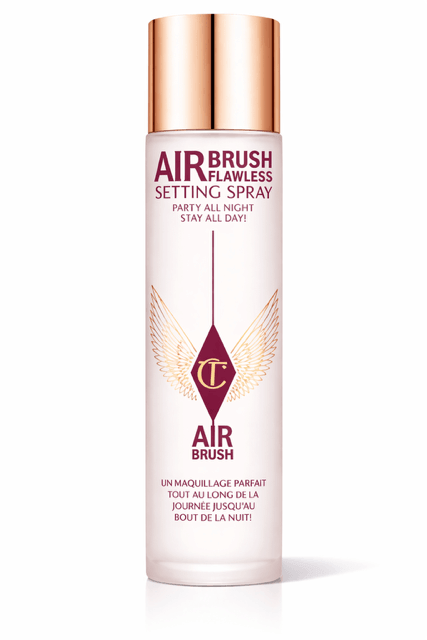
setting spray
→ Charlotte Tilbury Airbrush Flawless Setting Spray
This setting spray contains aloe vera and Japanese green tea, helping the layers of makeup settle into a more unified finish. A light mist over the complexion allows foundation and powder to meld slightly, which helps the overall finish appear more consistent when viewed in both indoor and natural light.
Final Thoughts — What Creates a Glowing Makeup Finish? Understanding Light, Texture, and Skin Reflection
A luminous makeup finish is rarely the result of a single product. Light, texture, and the finishes layered across the skin all influence how radiance ultimately appears. When these elements sit in balance, reflection tends to look softer and more consistent rather than overly shiny or flat.
Understanding what creates a glowing makeup finish often comes down to observing how the surface of the skin interacts with light. Small adjustments to texture, layering, and finish can quietly change the way radiance appears, allowing the overall look to feel more refined and balanced within a routine.
Continue Your Glow Path
Current Stage: Awareness (III) · Understand
START HERE
Awareness (II) · Learn

Cream vs. Powder Blush: The Key to a Lasting, Natural-Looking Skin Glow
EXPLORE ON
Balance (I) · Reset
Why Your Cream Blush Looks Patchy and How to Achieve a Smooth, Natural-Looking Flush

Glow doesn’t end here — it evolves. Keep building it, your way.