
Understanding why your skin feels dry even after moisturizing often starts with looking at how hydration actually settles on the skin. Moisturizers can add comfort in the moment, but when the layers beneath them don’t support the moisture, dryness can return quickly — especially if the skin is dehydrated or the moisture barrier needs more steadiness.
This GlamourTip guide explores how hydration layering shapes the way moisture stays present, and why certain textures work better together than others. When hydration is guided, rather than guessed, your routine tends to feel more cohesive and moisture integrates in a way that supports softer, more natural radiance.
*Some links in this glossary are affiliate links, which means we may earn a small commission if you choose to shop through them — at no extra cost to you. As an Amazon Associate, we earn from qualifying purchases. Thank you for supporting GlamourTip.
No. 1
The Difference Between Hydrated and Moisturized Skin
Hydration and moisture work together, but they don’t do the same job.
One of the reasons dryness can linger is that hydration and moisture are often treated as interchangeable. Hydration is about giving skin water, which is where humectants come in — ingredients that draw in that fluid and help it stay present. Moisture, on the other hand, relies on emollients and occlusives, the textures that soften the surface and help keep that hydration from slipping away too quickly. When only one side of the equation is present, skin can still feel tight or look dull, even if you’re applying products consistently.
Understanding the difference also helps make sense of dehydrated skin, a state where skin is lacking water rather than oils. You can have dry skin that needs richer textures, or dehydrated skin that simply needs more support from humectants — and sometimes a mix of both. When each category is used in a way that complements the other, your glow routine feels more intentional and each layer has a clearer role to play.
Why it matters
Knowing what each texture contributes helps you understand why moisturizing alone doesn’t always translate to comfort. When humectants, emollients, and occlusives show up in a balanced way, the routine tends to feel more complete and better aligned with what dry or dehydrated skin is trying to communicate.
GLOW TIP If your skin drinks in serums quickly but still feels tight afterward, pair your humectant with an emollient cream before adding an occlusive layer.
GlamourTip PICK
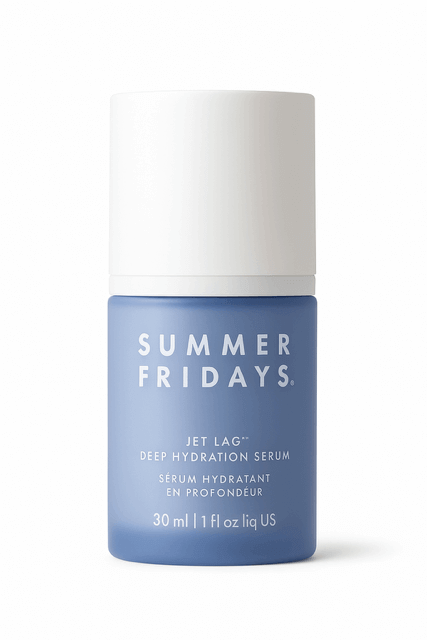
➢ Summer Fridays Jet Lag Deep Hydration Serum
A lightweight, silky hydration serum that brings a soft, water-first layer to your glow-forward routine without feeling sticky or heavy. Its blend of hyaluronic acid, glycerin, and a touch of squalane gives the formula a smooth, fluid slip that settles quickly and pairs naturally with the emollient and occlusive steps that follow. The texture feels clean and flexible — an ideal first layer when you’re building hydration intentionally and want that first step to feel distinct from the moisture that comes after.
No. 2
How a Weakened Moisture Barrier Makes Skin Feel Dryer
Dryness often starts long before you notice it on the surface.
When the moisture barrier isn’t functioning the way it should, hydration becomes harder to hold onto — even when you’re applying all the right products. This is where dryness and dehydrated skin can blur together. The skin may take in water-based layers, but without enough support on the surface, that hydration can move too quickly or escape through a process known as TEWL, leaving skin feeling dry again soon after application.
A weakened barrier doesn’t always show up dramatically; sometimes it looks like products absorbing too fast, a tight feeling that comes and goes, or a general lack of comfort despite hydration consistency. This is where barrier repair steps in. When the routine uses textures that reinforce the surface — creams with ceramides, richer emollients, even gentle occlusives — hydration has more of a foundation to settle into, and dryness doesn’t feel as persistent.
why it matters
Understanding the moisture barrier gives context to why dryness can return so quickly. Supporting it through intentional textures helps hydration stay more present, prevents the routine from feeling like it’s “disappearing,” and brings clarity to what your skin actually needs on days when dryness feels especially pronounced.
GLOW TIP If your skin feels drier after hydrating, add a barrier repair step for two or three nights before reassessing your routine.
GlamourTip PICK
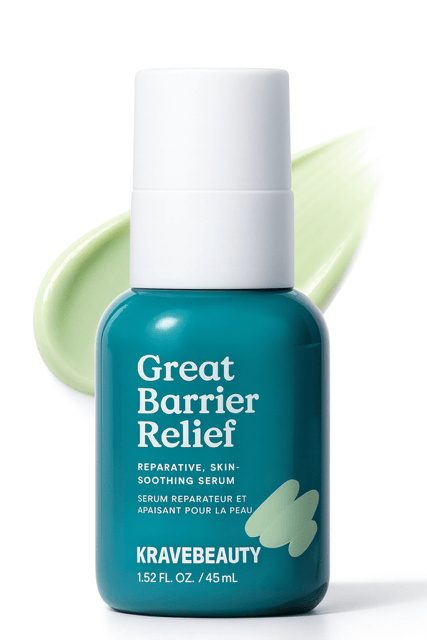
➢ KraveBeauty Great Barrier Relief Serum
A creamy, emollient-rich serum that focuses on replenishing what the surface needs to feel supported. The blend of tamanu oil, ceramides, and soft-feeling emollients gives the formula a grounded, cushiony texture that layers easily without feeling heavy or greasy. It settles into the routine as a comforting middle step — ideal on days when dryness signals that barrier needs more attention than a moisturizer alone can offer.
No. 3
Why Moisturizing Products Don’t Absorb (and What’s Blocking Them)
Sometimes moisturizers can’t settle because the groundwork isn’t there.
When moisturizing products seem to sit on top of the skin instead of absorbing, it’s often a sign that something in the routine is working against them. Over-exfoliation, harsh surfactants, or using strong actives without replenishing layers can leave the surface feeling unsettled — making it harder for hydration to find a place to land. Even lightweight serums can feel like they’re hovering when the routine lacks the support that glow-forward skincare depends on.
Sometimes the issue isn’t the product at all, but what came before it. A routine without enough barrier support, or one without intentional hydration layering, may leave the skin feeling tight or resistant, even if you’re applying the right steps. When the surface is disrupted or thirsty for balance, hydration has difficulty moving past the initial layer, which can make dryness appear more pronounced than it actually is.
why it matters
Understanding what blocks absorption brings clarity to what your routine may be missing. It also helps explain why your skin feels dry even after moisturizing. When exfoliation, cleansing, and actives work within a supportive structure, moisturizers have a smoother path — and the routine feels more aligned with a glow-forward approach instead of fighting against it.
GLOW TIP If your serum glides around instead of settling, pause exfoliation for a day or two and reintroduce a barrier support step before returning to actives.
GlamourTip PICK
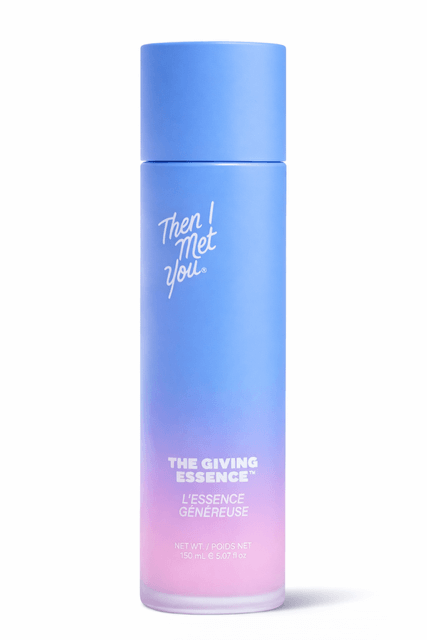
➢ Then I Met You The Giving Essence
A water-light essence that helps bridge the gap between cleansing and hydration, offering a cushiony first layer when skin feels resistant to serums. Its blend of birch juice, ginseng, and soft humectants gives the formula a flexible slip that pairs well with hydration layering, helping subsequent steps feel more at ease on days when skin needs a gentler on-ramp before emollient or occlusive layer.
No. 4
Are You Layering Correctly? How Hydration Layering Actually Works
The order you apply your products determines how each step lands.
Hydration layering isn’t about using more products — it’s about giving each texture the right place in the lineup. When skin feels dry even after moisturizing, it often comes down to how those layers are arranged. Starting with a humectant draws water in, following with an emollient helps soften the surface, and sealing with an occlusive keeps everything more present throughout the routine. When these steps stack with intention, the skin’s overall feel becomes more stable and your glow-forward routine has a clearer foundation.
When the order is off, hydration has trouble settling, which is often why your skin feels dry even after moisturizing. Applying an occlusive too early can block humectants from settling. Skipping emollients can leave the surface feeling flat instead of radiant. And when products meant to support the moisture barrier don’t have enough structure beneath them, hydration can evaporate faster than expected. Hydration layering brings those pieces together in a way that feels more cohesive and easier to navigate day to day.
why it matters
Understanding how textures interact gives your routine a more grounded rhythm. When humectants, emollients, and occlusives show up in the right order, hydration feels more consistent and the routine supports the moisture barrier in a way that aligns with a radiant, glow-forward approach to dry skin.
GLOW TIP If your skin feels damp but not fully comfortable after applying a hydrating step, introduce an emollient before sealing with something occlusive. The added slip often helps each layer settle with more ease.
GlamourTip PICK
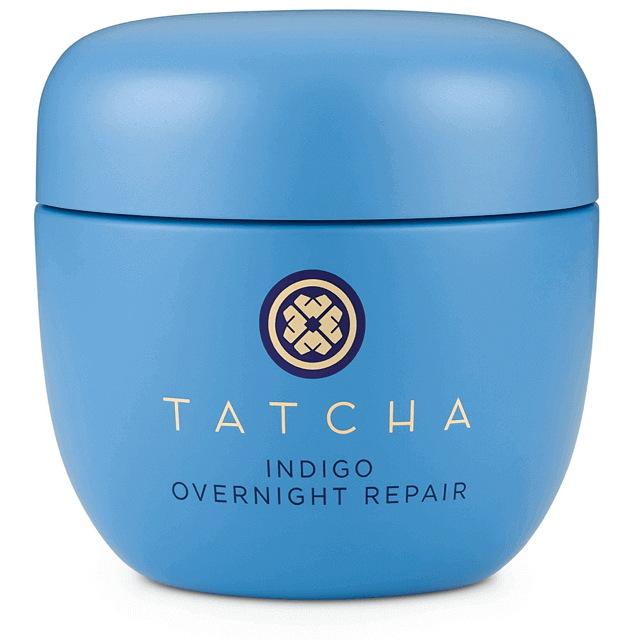
➢ Tatcha Indigo Overnight Repair Cream
A cushiony cream-serum hybrid that settles into the routine as a steady, comforting layer. The texture feels soft and enveloping, with ceramides, squalane, and gentle emollients that give it a smooth, flexible finish — ideal for when you need something substantial enough to anchor hydration layering without feeling heavy. It sits beautifully between your humectant and occlusive steps, offering a more elevated, glow-forward way to support the moisture barrier while keeping the rest of your routine cohesive and radiant.
No. 5
The Hydration Routine Adjustments That Actually Make a Difference
Small changes often shift the routine more than new products do.
Hydration feels unreliable when certain parts of the routine work against each other — even when the products themselves are thoughtfully chosen. Sometimes the issue is a cleanser that leaves the skin feeling a little too bare, or exfoliation used on days when the skin already feels tense. Other times, it’s an emollient that’s too light for the weather or an occlusive used everywhere instead of only where it’s needed. These subtle mismatches can make dryness feel more persistent than it actually is.
The adjustments that help the most are usually the simplest. Choosing a gentler cleanser, spacing out exfoliation, or swapping in a richer emollient on colder days gives the routine more room to feel grounded. Introducing barrier repair textures when the moisture barrier needs steadiness also creates a clearer sense of comfort. A glow-forward routine isn’t about a long list of steps — it’s about knowing when to shift textures so hydration has the daily support it needs.
Why it matters
When the routine adapts to how the skin behaves, hydration tends to feel more present and less unpredictable. These small adjustments help the moisture barrier stay supported, which keeps your overall glow-forward approach consistent.
GLOW TIP If your routine feels off but you’re not sure why, pause exfoliation for a night and increase your emollient step — that single change often reveals what your skin needs.
GlamourTip PICK
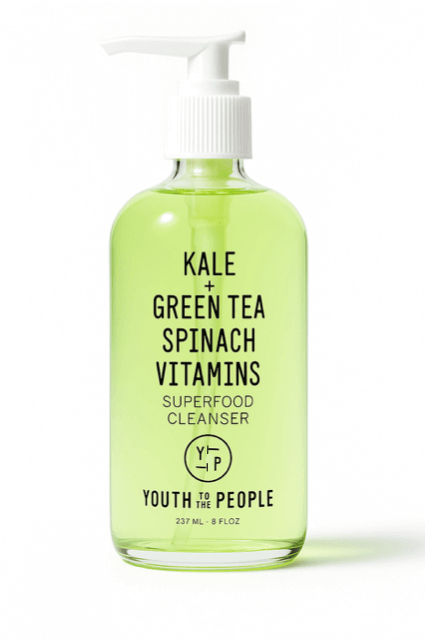
➢ Youth To The People Superfood Facial Cleanser
A gentle, gel-based cleanser that removes buildup without stripping the surface — a small shift that often helps hydration settle with more ease. The lightweight formula, made with kale, spinach, and replenishing humectants, creates a fresh, cushiony lather that leaves room for emollients and occlusives to follow. It’s an elevated everyday option when your routine needs a cleaner starting point that supports softer, more consistent hydration.
Final Thoughts — Why Your Skin Feels Dry Even After Moisturizing (Hydration Layering Explained)
Understanding why your skin feels dry even after moisturizing becomes becomes clearer once you see how each layer actually sits on the skin. When hydration and moisture are placed with purpose — and the textures you choose support one another — the entire routine starts to feel more cohesive. The shifts that help most are often subtle: a gentler cleanse, a better-balanced layer, or a moment of support for the moisture barrier.
This guide reflects GlamourTip’s approach to glow-forward beauty: choosing routines that nurture an evolving, natural radiance instead of masking it. When moisturizing fits into a structure that truly supports hydration, your routine becomes something you can return to with clarity — steady, considered, and shaped around radiance that evolves with you.
RELATED GLOW STORIES
Glow doesn’t end here — it evolves. Keep building it, your way.