
Hyaluronic acid is everywhere — from serums and toners to creams that line the shelves of every beauty aisle. But ubiquity brings confusion: is it a must-have step, or just another word on a label? Our beginner’s guide to using hyaluronic acid in skincare routines keeps the focus on what counts — definition, placement, and routine flow.
Rather than chasing hype or treating HA as a buzzword, we’ll unpack what it really is, how it shows up across formats, and the role it plays when layered thoughtfully. The goal isn’t perfection — it’s building a routine that restores, with hydration as the foundation for everything else that follows.
*Some links in this glossary are affiliate links, which means we may earn a small commission if you choose to shop through them — at no extra cost to you. As an Amazon Associate, we earn from qualifying purchases. Thank you for supporting GlamourTip.
No. 1
What Hyaluronic Acid Really Is
A simple breakdown before the routine begins.
Hyaluronic acid isn’t new, but its presence across serums, toners, and creams can make it feel like a trend rather than a cornerstone. At its simplest, it’s a humectant — an ingredient that draws in water. In skincare, it shows up in different molecular weights and formats, which is why one HA product may feel featherlight, while another sits richer on the skin. This beginner’s guide to using hyaluronic acid in skincare routines starts by making the definition clear, so everything else builds from the right foundation.
Why It matters
Knowing what hyaluronic acid really is keeps it from getting lost as just another buzzword. It helps explain why it shows up in so many products and why the texture can shift so much from one formula to the next. In the bigger picture, it anchors hydration as a central step in skincare routines that restore — making it easier to decide which format feels right for you.
GLOW TIP Check the ingredient list: the closer hyaluronic acid appears to the top, the more central it is to the formula.
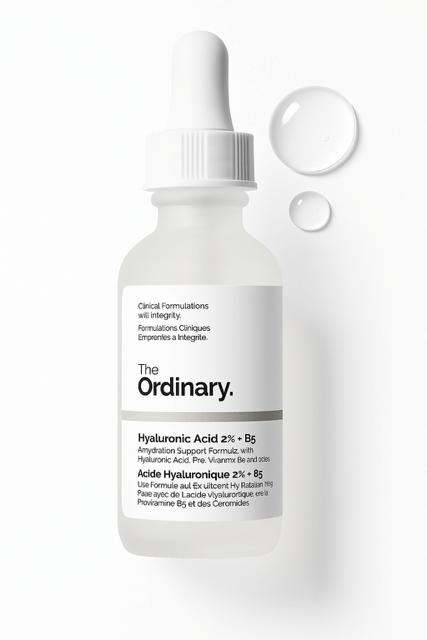
GlamourTip PICK
➢ The Ordinary Hyaluronic Acid 2% + B5 (with Ceramides)
A cult-favorite serum that’s earned its place as one of the most accessible entries into HA. Its lightweight texture layers smoothly under moisturizer and makes this beginner’s guide to using hyaluronic acid in skincare routines feel less overwhelming to start.
No. 2
HA Formats — Serums, Toners, and Creams
Not all hyaluronic acid products play the same role.
Hyaluronic acid doesn’t exist in just one form. It shows up in water-light serums, hydrating toners, and richer moisturizing creams — each slotting into skincare routines in different ways. Serums often deliver the most direct concentration, toners weave hydration in early, and creams lock HA in as the last step. This beginner’s guide to using hyaluronic acid in skincare routines makes sense of those formats so you know where each belongs.
Why It matters
Without understanding formats, it’s easy to double up on products or miss the step where HA works best for you. Breaking it down into serum, toner, and cream helps show how texture and placement change its role in a glow routine. When you know the difference, skincare routines that restore feel intentional instead of repetitive.
GLOW TIP Slot water-based HA products closer to the start of your routine, and keep cream-based formulas for the end.
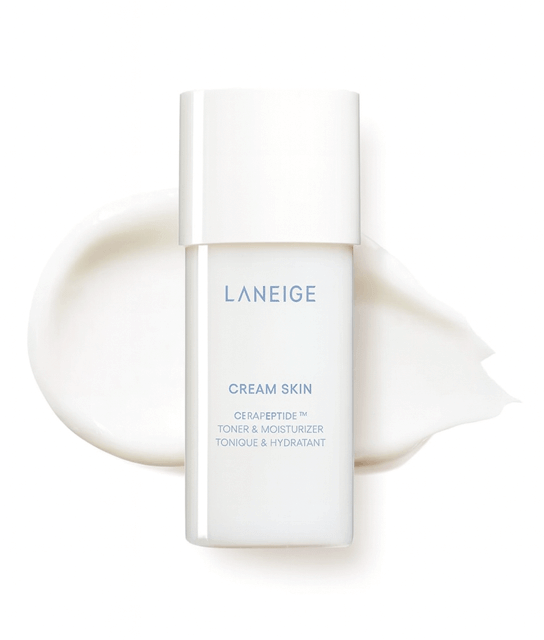
GlamourTip PICK
➢ Laneige Cream Skin Toner & Moisturizer
A cult-favorite hybrid that blurs the line between toner and cream. Its milky texture glides on like water, but leaves a comforting finish, making it a luxe way to experience hyaluronic acid in skincare routines without weighing anything down.
No. 3
How to Layer Hyaluronic Acid for Glowing Skin
Placement is what gives hyaluronic acid its flow.
The real question isn’t just what hyaluronic acid is, but where to put it. In skincare routines, HA usually follows cleansing and toner, and sits before moisturizer or SPF. Think of it as the bridge between water-light steps and richer textures. This beginner’s guide to using hyaluronic acid in skincare routines frames layering as a matter of flow, not complication.
Why It matters
Layering defines how well each product works with the next. If HA is applied too late, it may feel redundant; too early, and it risks being overshadowed. Placing it with intention keeps hydration moving through the routine in a way that feels balanced, making skincare routines that restore both simple and steady.
GLOW TIP Apply hyaluronic acid on slightly damp skin so it blends smoothly with the moisturizer that follows.
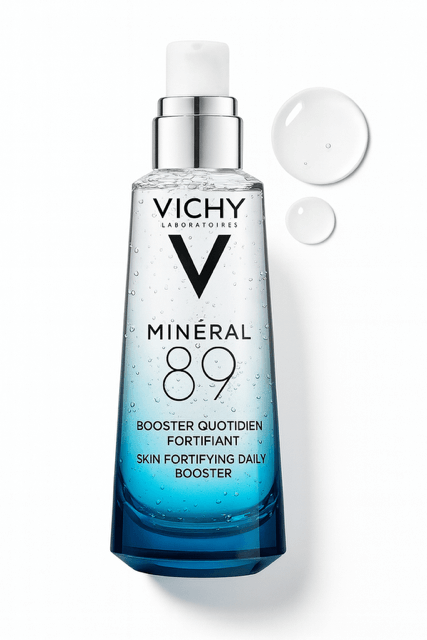
GlamourTip PICK
➢ Vichy Mineral 89 Booster, Pure Hyaluronic Acid Serum
A French pharmacy icon that has become a favorite for its clean texture and straightforward use. With a gel-light consistency that disappears into the skin, it shows exactly how hyaluronic acid fits seamlessly into skincare routines built for glow.
No. 4
Pairing Hyaluronic Acid With Other Ingredients
HA rarely works alone — it’s a connector in routines.
Hyaluronic acid often performs best when paired with complementary ingredients. In skincare routines, it flows easily alongside glycerin, niacinamide, and ceramides, adding hydration support without competing for space. It also layers well under occlusives, which help lock everything in. This beginner’s guide to using hyaluronic acid in skincare routines places those pairings at the center, showing how HA acts less like a soloist and more like part of a balanced ensemble.
Why It matters
Products rarely live in isolation, and knowing which ingredients sit comfortably next to HA makes routines more intentional. Pairing humectants with barrier-focused steps gives hydration a pathway instead of leaving it open-ended. This context makes skincare routines that restore feel structured rather than experimental.
GLOW TIP Try combining hyaluronic acid with ceramides at night — the duo layers easily and reinforces hydration flow without adding extra steps.
GlamourTip PICK
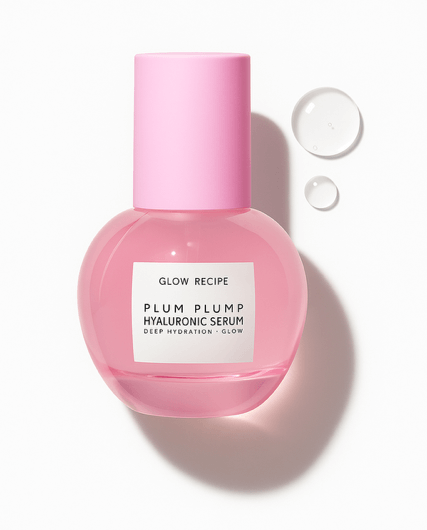
➢ Glow Recipe Plum Plumping & Hydrating Hyaluronic Acid Serum
A fan-favorite that layers multiple forms of HA with a smooth, cushiony texture. Its playful packaging meets serious routine value, making it an approachable yet elevated way to work hyaluronic acid into skincare routines for glow.
No. 5
Myths About Hyaluronic Acid
Not everything said about HA lines up with reality.
Hyaluronic acid has picked up plenty of buzz, but not all of it holds up. Some call it a miracle cure-all, while others dismiss it as overhyped water. The truth, as with most skincare steps, sits in between. This beginner’s guide to using hyaluronic acid in skincare routines clears away the extremes and brings the focus back to how it actually fits.
Why It matters
Believing myths can lead to confusion — either overloading routines with duplicate product or avoiding HA altogether. Looking at it clearly shows that hyaluronic acid isn’t a silver bullet, but it also isn’t empty filter. Recognizing it for what it is helps skincare routines that restore stay practical, intentional, and glow-focused.
GLOW TIP Don’t double up just for the sake of it — one well-placed HA step is often all a routine needs.
GlamourTip PICK
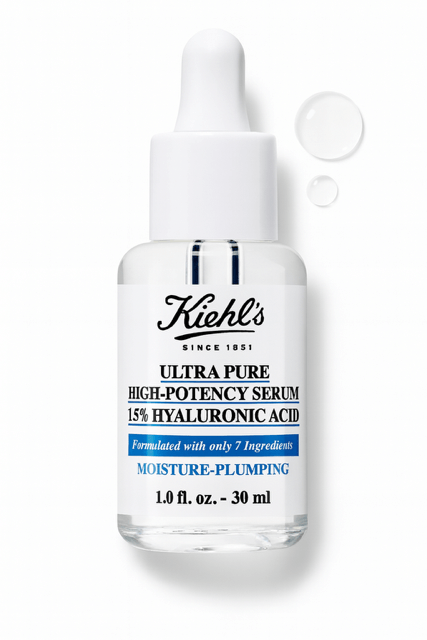
➢ Kiehl’s Ultra Pure High-Potency 1.5% Hyaluronic Acid Serum
A long-standing favorite that shows how HA fits seamlessly into daily routines. With its lightweight, water-gel consistency, it offers a refined but accessible take on hyaluronic acid in skincare routines that restore.
Final Thoughts: A Beginner’s Guide to Using Hyaluronic Acid in Skincare Routines
This guide shows that hyaluronic acid isn’t about hype — it’s about placement, pairing, and keeping hydration intentional. By understanding what it is, where it belongs, and how it works alongside other steps, you will find that your glow routine feels less overwhelming and more deliberate.
The takeaway? Keep it simple: one thoughtful product, placed with purpose, can make a routine feel complete without adding clutter.
RELATED GLOW STORIES



Glow doesn’t end here — it evolves. Keep building it, your way.