
Winter changes the way makeup sits on the skin — textures that felt seamless in October can suddenly look patchy, flat, or tight by January. The shift isn’t just dryness, it’s how cold air, low humidity, and indoor heat disrupt the balance between your base, products, and the way light interacts with your complexion.
At GlamourTip, we see this season not as a setback, but as the moment when glow becomes more intentional — a chance to understand why makeup looks dry in winter and how to bring back a softer, more flexible radiance. When you approach winter makeup through a glow-forward lens, your routine becomes less about correcting dryness and more about creating a finish that feels calm, smooth, and naturally luminous — even in the driest weeks of the year.

*Some links in this edit are affiliate links, which means we may earn a small commission if you choose to shop through them — at no extra cost to you. As an Amazon Associate, we earn from qualifying purchases. This content is for informational purposes only; please consult a professional before making changes to your routine.
GLOW PATH STAGE
Adaptation (I) · Adjust
No. 1
Why Your Makeup Looks Dry in Winter — The Real Reasons Beyond “Dry Skin”
Winter dryness isn’t just about moisture loss — it’s about the way environmental changes disrupt your skin’s balance and how products respond to that shift. Cold air decreases natural flexibility in the moisture barrier, indoor heating increases surface dehydration, and lower humidity reduces the movement that keeps makeup looking smooth. Together, these conditions make even your most reliable formulas sit differently: foundation grips instead of gliding, blush loses diffusion, and powder settles where it normally wouldn’t.
But dryness is rarely the only culprit. As the seasons change, your base routine often stays the same, even though your skin does not. Textures that once enhanced your glow may now emphasize tightness or uneven areas because your skin’s surface isn’t holding onto products the same way. When winter interferes with how makeup interacts with light, the complexion can appear flatter, duller, or less cohesive — even if nothing in your routine has technically changed.
Why it matters
When you understand why makeup shifts in winter, adjusting becomes intuitive. You can refine textures, prep steps, and finishes to support glow instead of fighting seasonal dryness.
A NOTE
Before applying makeup, warm a few drops of your moisturizer between your hands and press it into the skin — heat helps soften tightness instantly, giving products more flexibility.

A buttery, conditioning base that gives winter skin a smoother surface without feeling heavy. The blend of shea butter, hyaluronic acid, and squalane creates the kind of cushioned surface winter makeup needs. Instead of clinging to dry patches or settling into texture, your foundation glides over a smoother, better-prepped canvas — helping restore the flexibility and comfort that cold air and indoor heat tend to disrupt.
No. 2
How Winter Light and Indoor Heat Change the Way Makeup Looks
Cold mornings, dry indoor heat, and sharper seasonal lighting all shape how makeup reads on the surface. Even when your prep stays the same, the skin can feel a little less cushioned — especially if dehydrated skin or sings of TEWL are already present. That subtle change in feel is often what makes makeup sit differently, catching on areas that normally look smooth.
Lighting plays its part too. Winter comes with lower angles and brighter overhead glows, the kind that bring more attention to texture. A foundation that looked seamless in fall may look flatter now, not because it changed, but because the environment around you shifted. Understanding those shifts helps your routine feel more intentional, so makeup reflects soft radiance instead of the season’s dryness.
why it matters
Winter conditions don’t change your products, they change the context they’re working in. Noticing that difference helps you understand what your makeup is responding to, so you can choose textures that feel smoother and more balanced without rethinking your entire routine.
A NOTE
If makeup looks tight under indoor lighting, add a layer of humectant mist before your base — it gives the surface a touch more flexibility.
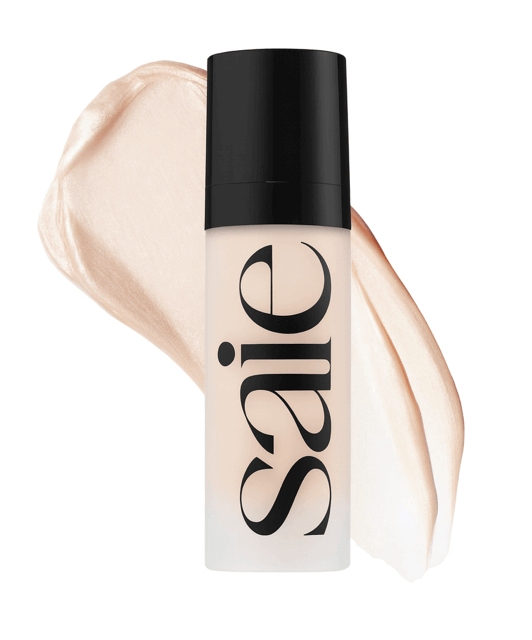
A sheer, water-light luminizer that softens the way winter light reflects on the skin. With plant-derived glycerin for hydration and squalane for smooth slip, it blends into foundation or sits underneath as a gentle brightening layer. It brings back a soft, natural radiance when colder conditions make makeup look more static.
No. 3
Base Products That Exaggerate Dryness Without You Realizing It
One of the reasons why your makeup looks dry in winter is how certain formulas respond to the season’s conditions. Products that feel seamless in September can suddenly emphasize tightness or cling in cold weather, especially when dry winter skin under makeup loses some of the flexibility it has in milder months. Long-wear foundations may read more set, matte bases can look flatter, and high-pigment concealers tend to settle where the surface feels least supported.
Much of this comes down to the balance of textures. When a formula leans low in emollients or sits more matte than the season allows, makeup doesn’t always merge into the skin — it sits on top. Skipping layers with humectants can make the base appear dryer, while relying heavily on occlusives can create heaviness instead of comfort. Noticing these patterns helps you choose products that maintain softness and offer more control over how to make makeup look glowy in winter, even when the air feels colder and drier.
why it matters
Understanding which formulas tend to amplify dryness in cold weather makes it easier to adapt your routine. With small texture shifts, your base can look smoother, more even, and more comfortable without replacing everything you see.
A NOTE
If your foundation feels stiff in winter, mix a drop of your base with a creamy emollient moisturizer to restore slip without losing coverage.
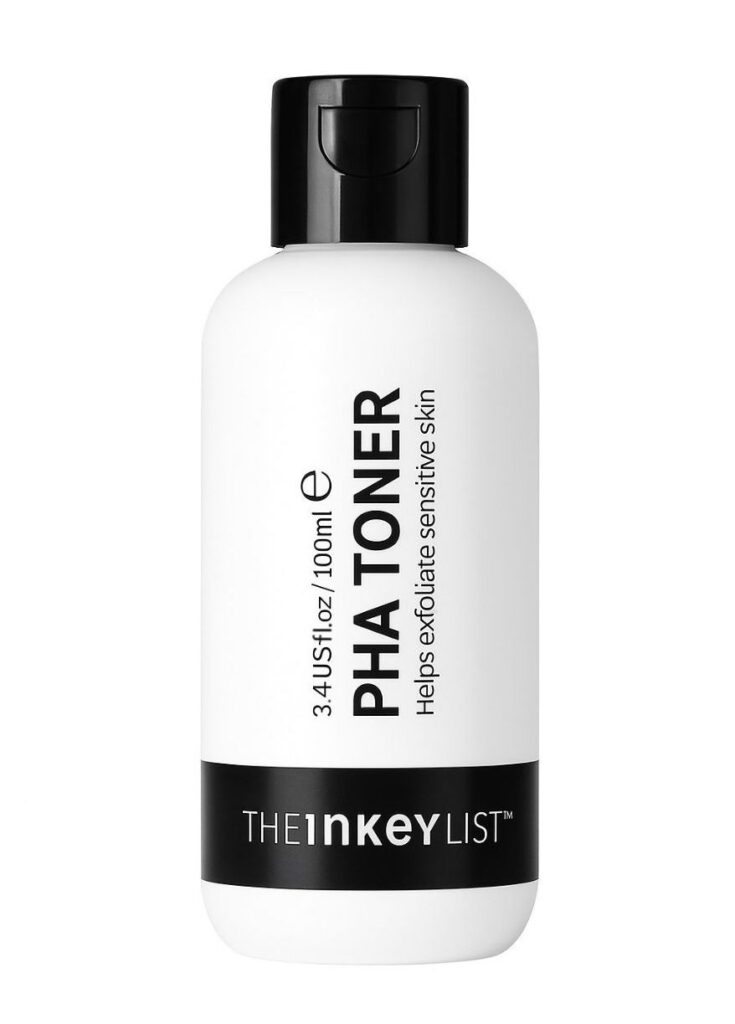
A gentle PHA exfoliant that helps refine the surface before makeup, especially when hydration under makeup feels harder to maintain in colder weather. Its soft, cushiony texture pairs well with humectants and doesn’t disrupt the routine, making it a supportive step when dryness changes how your base sits. It offers a smoother canvas so makeup can merge more easily, even when winter light and air make texture more noticeable.
No. 4
How to Build a Winter Base That Brings Back Soft Glow
A softer base starts with textures that work with the season instead of against it. When dry winter skin under makeup feels tighter, foundations with a dense matte finish can sit more rigidly, while creams and tints with subtle movement tend to merge more naturally. The goal isn’t to change your style — it’s to choose formats that stay comfortable when humidity drops. Adding a layer rich in humectants or pairing your base with a touch of emollient moisture gives the foundation more room to glide and adjust.
Moisture barrier support also plays a part. When the skin feels steadier underneath, makeup reflects light more softly, which naturally brings back radiance. Small refinements — sheerer coverage on drier days, a flexible skin tint, or mixing a drop of balm with your foundation — can shift your finish from flat to soft without adding weight. These are the kinds of winter makeup tips that make the biggest difference in how your base reads in colder months.
why it matters
A winter base should feel like it belongs to the season. When your layers support one another, glow returns through texture and tone rather than shimmer or heaviness.
A NOTE
If your base loses radiance by midday, press a touch of cream highlighter onto the high points — it refreshes light without adding slip.
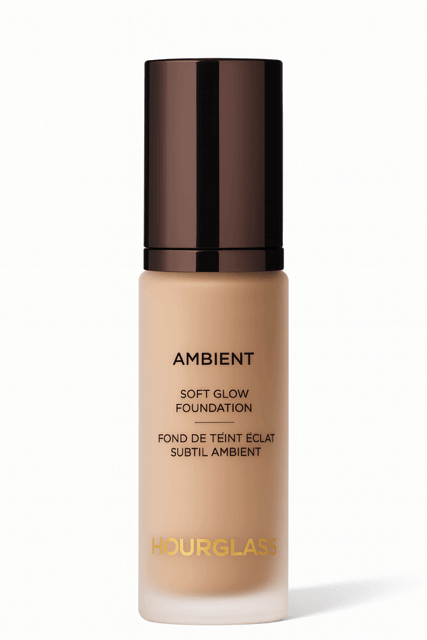
A fluid, buildable foundation that delivers a soft-lit finish without emphasizing dryness. With hydrating humectants and a blend of silky emollients, it creates movement on the skin rather than sitting flat — ideal when winter conditions make makeup feel more rigid. It helps restore the gentle radiance many look for when figuring out how to make makeup look glowy in winter, especially when the season dulls other formulas.
No. 5
The Textures That Bring Glow Back Without looking Oily
When temperatures drop, finishes that normally look radiant can lose their fluidity, and formulas meant to brighten may sit more noticeably on areas where the skin feels tight. Choosing textures with gentle sheen — creams that melt in, balmy highlighters, or skin tints with a hint of luminosity — helps counter the way makeup looks dry in cold weather without tipping into an oily finish. These formats move with the skin instead of sitting on top of it, making them ideal when you’re working with dry winter skin under makeup.
Supportive layers matter too. A touch of emollient moisture beneath your base or a hydrating mist enriched with humectants creates the flexibility that glow needs to read naturally. Instead of relying on heavy shimmer, winter glow comes from textures that soften the surface and let the light diffuse — a more refined way to approach how to make makeup look glowy in winter without overwhelming the routine.
Why it matters
Glow shows up differently in winter, and the right textures help it settle in a way that feels intentional and balanced. Soft radiance comes from formulas that work with the season’s conditions, not against them.
A NOTE
If your highlight looks too stark in winter lighting, warm it between your fingers first — it blends into the skin more smoothly and keeps radiance controlled.
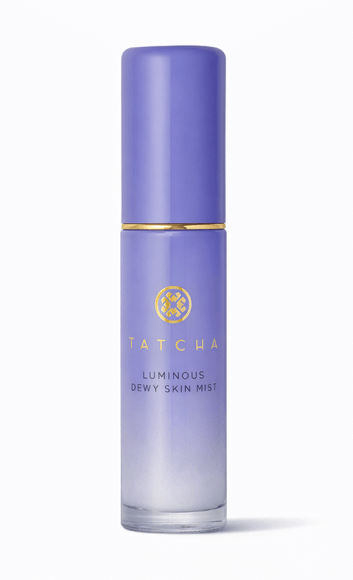
A fine, hydrating mist that adds a touch of flexibility to makeup when winter air makes finishes more static. With moisture-binding humectants and lightweight emollients, it settles onto the skin as a sheer veil rather than a visible layer, giving the surface a refreshed, hydrated look without disturbing your base. It’s an easy way to bring radiance back into the routine — especially when you want glow that feels lived-in rather than layered on.
Final Thoughts — Why Your Makeup Looks Dry in Winter and How To Bring Back Soft Glow
Winter shifts how makeup sits, but it doesn’t have to shift how your routine feels. When you understand the small changes that influence finish — the air, the light, the textures you lean on — it becomes easier to understand why your makeup looks dry in winter. A few thoughtful adjustments create space for makeup to land with more ease.
This GlamourTip guide is meant to help you navigate those shifts with clarity, choosing products and textures that support a quieter, more natural glow. When each layer feels considered, your winter makeup looks less like something you’re managing and more like an extension of the radiance you already have.
For a more balanced, refined finish across different conditions, explore the Luster Selection.
Continue Your Glow Path
current stage: Adaptation (I) · Adjust
START HERE
Maintenance (II) · Preserve

EXPLORE ON
Adaptation (I) · Adjust
LEVEL UP
Awareness (III) · understand

Glow doesn’t end here — it evolves. Keep building it, your way.