
By midday, your foundation can start to shift — the areas that held in the morning begin to move, certain zones lose their grip, and the surface no longer behaves the same way it did just a few hours earlier. What began as a smooth and even base can start to wear unevenly or separate, even when the routine itself hasn’t changed.
That change isn’t random. As the day moves on, oil travels, hydration levels shift, and areas of movement begin to affect how well the base stays in place. The result isn’t always obvious at first, but a gradual loss of structure that leads to breakdown. Understanding what changes — and what keeps the base stable — makes the difference between a base that holds and one that needs to be corrected.

*Some links in this edit are affiliate links, which means we may earn a small commission if you choose to shop through them — at no extra cost to you. As an Amazon Associate, we earn from qualifying purchases. This content is for informational purposes only; please consult a professional before making changes to your routine.
Why foundation breaks apart by midday
- Starts to separate around the nose and mouth → oil movement and constant facial motion weaken how foundation holds in high-flex areas
- Looks uneven across different parts of the face → foundation responds differently as oil and hydration shift, creating surface imbalance
- Wears off faster in the center of the face → the T-zone changes more quickly, causing foundation to loosen earlier that the rest of the face
- Feels drier or tighter as the day goes on → shifts in hydration affect how flexible the base remains, leading to uneven wear over time.
GLOW PATH STAGE
Maintenance (II) · Preserve
No. 1
Why Your Foundation Looks Flawless at First but Breaks Down by Midday
Foundation doesn’t break apart the moment you apply it. It holds while everything is still controlled — before oil begins to move, before areas of the face start to flex, and before the surface is exposed to hours of wear. In those first moments, the base sits evenly because nothing has disrupted its placement yet.
As the day progresses, that stability starts to change. The skin isn’t static, and neither is the base sitting on top of it. What held in place earlier begins to respond to movement, moisture and the natural shifts happening across different areas of the face.
Recognition
- Foundation still looks intact when you leave, but starts to shift within a few hours
- Some areas hold, while others begin to separate or wear unevenly
- The center of the face breaks down faster that the outer areas
- The same routine gives a different result depending on the day
This isn’t about one product failing — it’s about what changes after application.
Why it matters
When a base starts to break down, it’s not just a surface issue — it means the structure underneath is no longer holding evenly. Once that cohesion starts to weaken, the base won’t wear consistently, no matter how it looked at the start. Understanding that shift is what allows you to keep the base stable instead of reacting to it later.
A NOTE
A base that holds isn’t created by adding more throughout the day — it comes from how well it maintains placement once applied.
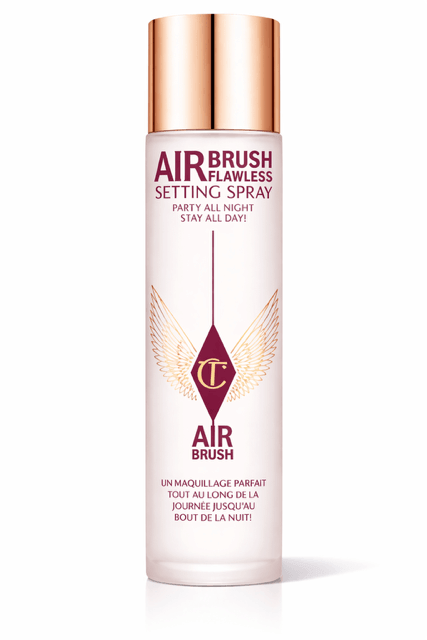
A fine, continuous mist that sets makeup without creating a rigid layer, helping the base maintain its placement as the skin shifts throughout the day. It settles lightly across the surface, supporting even adherence without tightening or over-setting in areas prone to movement. The result is a base that holds more consistently, rather than breaking apart as conditions change.
No. 2
Why Oil, Dryness, and Skin Shifts Change Your Midday Finish
By midday, the base isn’t sitting on the same surface it was in the morning. Oil begins to move outward from the center of the face, while other areas lose hydration or feel tighter. These shifts don’t cancel each other out — they happen at the same time, creating uneven conditions across the skin.
That imbalance affects how the base holds. In areas where oil builds, the base can start to loosen and move. In drier areas, it can start to cling or break apart. Add in natural movement around the nose, mouth, and chin, and the base is no longer wearing evenly — it’s responding differently in each areas. When thses conditions aren’t balance, the base won’t hold consistently across the face.
why it matters
A foundation that lasts isn’t just about controlling one factor — it depends on how evenly the surface behaves overall. When oil, hydration, and movement shift in different directions, the base loses that balance. That’s when it starts to break down in parts instead of holding as one continuous layer.
A NOTE
When oil and hydration shift in different directions, the foundation needs something that helps it stay evenly anchored across the surface — rather than letting certain areas loosen or break down first.
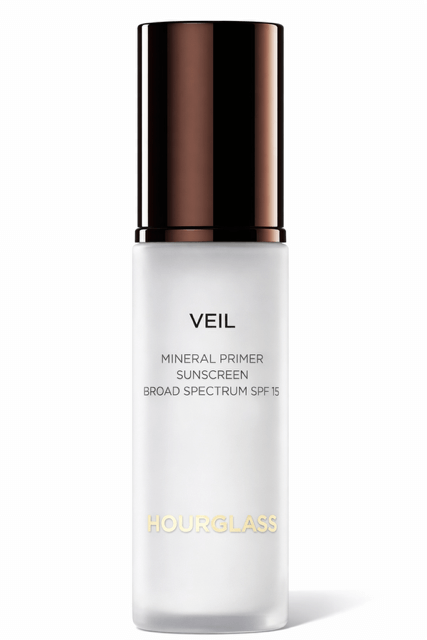
A lightweight primer that creates a smoother, more even surface before foundation is applied, helping the base adhere more consistently as the skin changes throughout the day. It forms a thin, breathable layer that reduces uneven movement across the face, supporting a base that holds its placement rather than shifting in certain areas first.
No. 3
Why Your T-Zone Breaks Down First (and What That Actually Means)
Foundation breakdown rarely happens evenly across the face. The T-zone (forehead, nose, and chin) tends to shift first because it’s where oil production is more active and where the skin experiences the most movement throughout the day. These areas are constantly in motion, whether through expression, talking, or natural facial tension, which affects how well the base stays in place.
At the same time, oil doesn’t stay fixed — it moves. As it builds and spreads, it begins to affect how the base sits on the surface, loosening its hold in some areas while the outer parts of the face remain more stable. This creates a visible contrast, where the center begins to break down while everything else still appears intact.
why it matters
A base that breaks down unevenly is harder to maintain because it’s no longer behaving as one layer. Once the center starts to loosen, it disrupts the overall structure, even if the rest of the base is still intact. Understanding where the breakdown starts makes it easier to maintain consistency across the entire face, rather than reacting to one area at a time.
a note
When the center of the face shifts first, the goal isn’t to add more product — it’s to reduce what’s causing the base to loosen. Removing excess oil at the surface helps maintain hold without disturbing what’s already in place.

Lightweight blotting papers that absorb excess moisture without disturbing the base underneath, helping maintain adherence in areas where breakdown typically starts first. It lifts surface oil without adding texture or product, allowing the base to stay in place rather than loosening as the day progresses.
Part of the Luster Selection
No. 4
Why Some Foundations Stay Intact While Others Separate on Skin
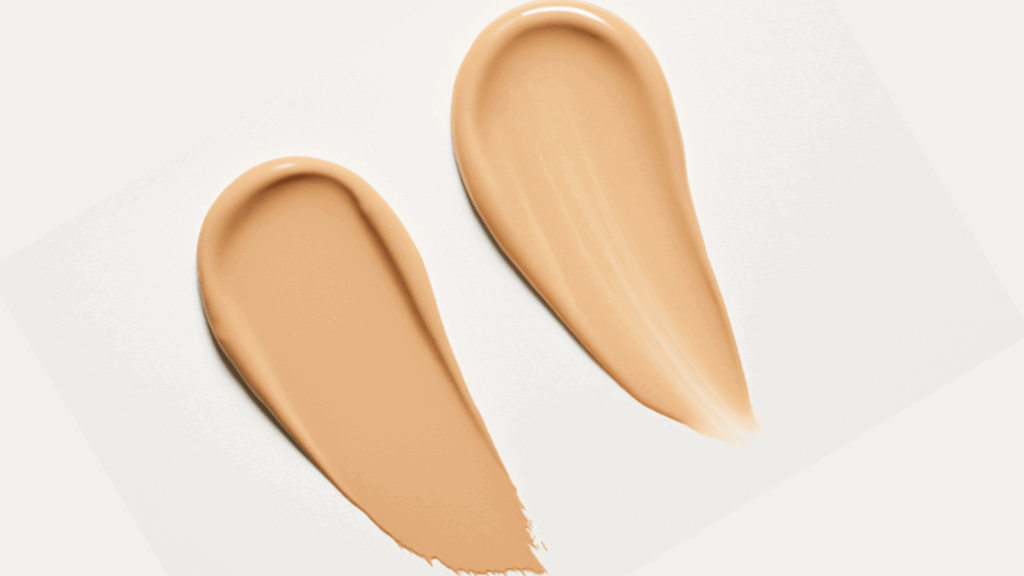
Two foundations can look similar when first applied but wear very differently by midday. That difference often comes down to how each formula interacts with the skin as conditions begin to shift. Some foundations are designed to set more firmly, creating structure that resists movement, while others remain more flexible and responsive to the skin underneath.
As oil begins to move and hydration levels change, those differences become more noticeable. A foundation that’s too rigid can start to separate when the skin shifts, while one that’s too emollient can begin to loosen and move earlier in the day. The way a foundation is formulated — how it sets, how it adheres, and how it responds to change — directly affects how well it holds over time.
why it matters
A foundation that breaks down isn’t always applied incorrectly — it may mot be built to maintain its structure as conditions shift. When the formula doesn’t hold evenly, it can start to separate, move, or wear unevenly in specific areas rather than staying consistent across the skin. Choosing a foundation that balances hold with flexibility helps maintain a more stable result from morning through midday.
A NOTE
When a foundation holds more evenly, it usually comes down to how it sets — enough structure to stay in place, with enough flexibility to move as the skin changes. That balance helps prevent early breakdown without creating a rigid layer that separates later on.
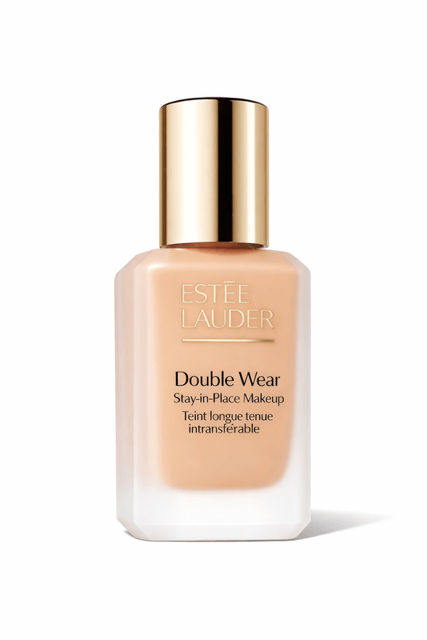
A long-wear formula that sets with a more structured hold, helping foundation stay in place as oil and movement begin to affect the surface. It forms a consistent layer that resists shifting in areas prone to breakdown, supporting more even wear across the face rather than separating or loosening by midday.
No. 5
How to Maintain Your Foundation Without Starting Over
Maintaining foundation isn’t about reapplying — it’s about preserving what already there. By midday, the goal isn’t to rebuild the foundation from the beginning. Once it’s set, adding more product can disrupt the structure that’s already in place, especially in areas where movement and oil have started to affect how it holds. Layering over that shift often leads to more uneven texture rather than restoring consistency.
Maintaining foundation is about working with the changes that have already happened — reducing what’s causing breakdown and keeping the rest of the surface as intact as possible. Small, targeted adjustments allow the foundation to continue wearing evenly without interfering with how it was originally applied. If the foundation has already started to separate in certain areas, that’s where a more targeted correction comes in — but when the structure is still mostly intact, maintaining it is what keeps it from breaking down further.
Why it matters
Once foundation is reapplied over areas that have already started to break down, it rarely settles the same way it did in the morning. The surface is no longer as even, which makes it harder for additional layers to adhere consistently. Maintaining the original structure helps the foundation continue to wear evenly, rather than creating new points of separation or uneven texture.
A NOTE
Preserving foundation throughout the day comes down to reducing disruption, not adding more on top. Keeping the surface balanced allows the foundation to hold its placement without needing to be reapplied.
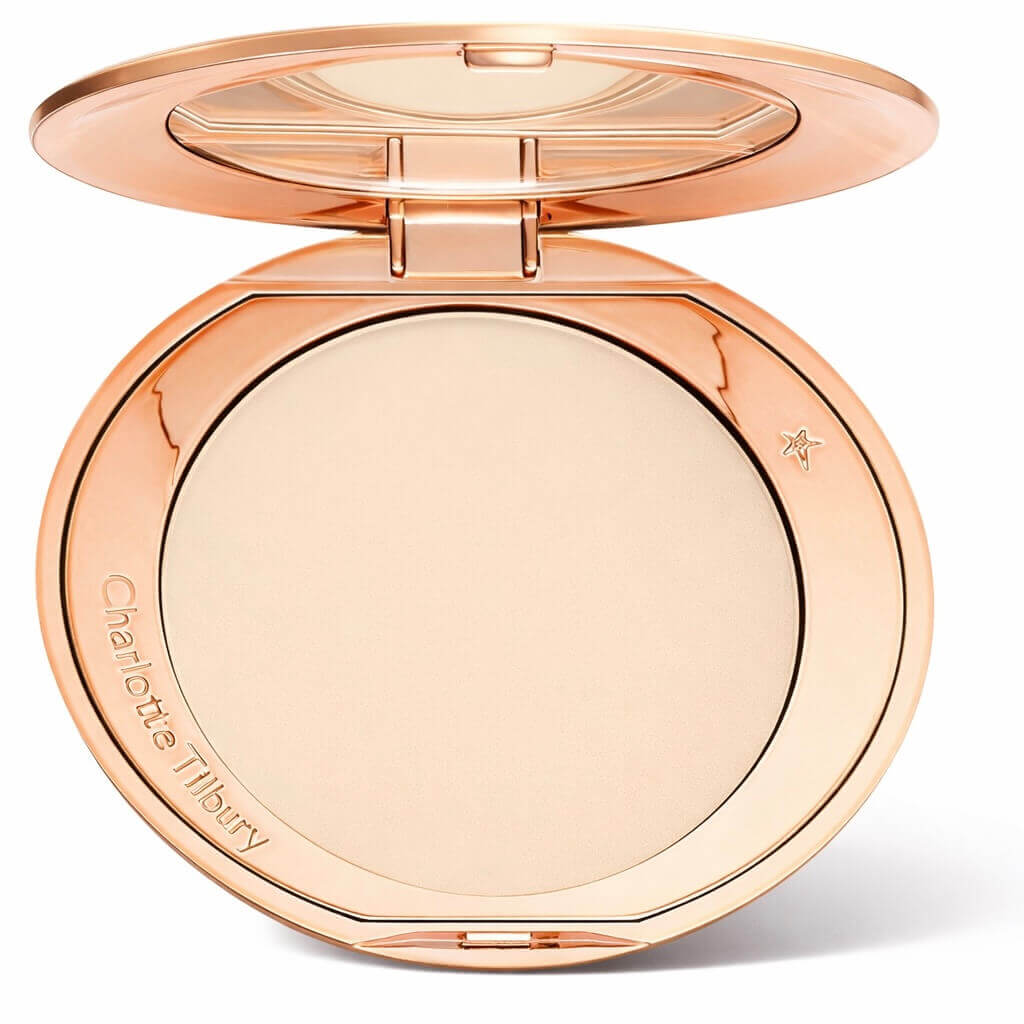
A finely milled pressed powder that helps rebalance areas where foundation begins to shift, without adding heaviness or disrupting the existing layer. It settles lightly over the skin to absorb excess oil while maintaining the integrity of the foundation underneath, allowing it to continue to wear evenly rather than breaking down further.
Final Thoughts — Why Your Foundation Breaks Apart by Midday and How to Preserve a Lasting Base
Foundation doesn’t need to be rebuilt halfway through the day. When it starts to shift, it’s usually a sign that the surface is no longer balanced — not that more product is needed.
A lasting base comes from maintaining that balance as conditions change — keeping hold where it’s working and limiting what causes it to loosen. When the structure stays intact, foundation continues to wear evenly without needing to be reapplied, allowing the surface to remain smooth and even as the day goes on.
For a more balanced, refined finish across different conditions, explore the Luster Selection.
Continue Your Glow Path
current stage: Maintenance (II) · Preserve
START HERE
Enhancement (I) · Upgrade
EXPLORE ON
Adaptation (I) · Adjust

LEVEL UP
Awareness (III) · Understand

Glow doesn’t end here — it evolves. Keep building it, your way.