
Coverage changes the way light moves across the skin. The same dewy finish that looks fresh in one formula can appear heavy or uneven in another, depending on pigment load, texture, and how it settles over your natural surface.
When coverage and skin type are misaligned, radiance turns inconsistent. Dewy foundations aren’t just about sheen — they’re about balance between hydration, flexibility, and diffusion. At GlamourTip, upgrading your base means choosing coverage that works with your skin’s behavior, not against it.
This guide breaks down how to select the best dewy foundation for glowing skin and how upgrading coverage by skin type creates a smoother, more dimensional finish from the start.
*Some links in this edit are affiliate links, which means we may earn a small commission if you choose to shop through them — at no extra cost to you. As an Amazon Associate, we earn from qualifying purchases. This content is for informational purposes only; please consult a professional before making changes to your routine.
GLOW PATH STAGE
Enhancement (I) · Upgrade
No. 1
Dry Skin: The Hydration Upgrade for Seamless Movement
The best dewy foundations for dry skin are those that move with the surface rather than settling into fine lines or dry patches. Formulas with heavy pigment loads can often cling to flaking or tight areas, creating an uneven finish instead of a soft-focus glow. In contrast, a fluid texture with moderate coverage allows light to reflect smoothly while maintaining skin comfort throughout the day.
Why it matters
On dry skin, foundation doesn’t just sit — it interacts with micro-texture. When the formula lacks flexibility, it becomes static, eventually gathering around dry patches or migrating into fine lines as the face moves. A well-matched dewy foundation acts as a flexible filter, diffusing light across the surface to create dimension without emphasizing texture. When coverage remains elastic, the resulting reflection looks intentional and seamless rather than heavy.
A NOTE
Look for textures described as serum-like or skin-cushioning, ideally supported by ingredients such as glycerin or hyaluronic acid. These help maintain suppleness so coverage doesn’t fracture or separate as the skin shifts. The goal isn’t just shine — it’s continuity. Coverage should blur dryness, not emphasize it.
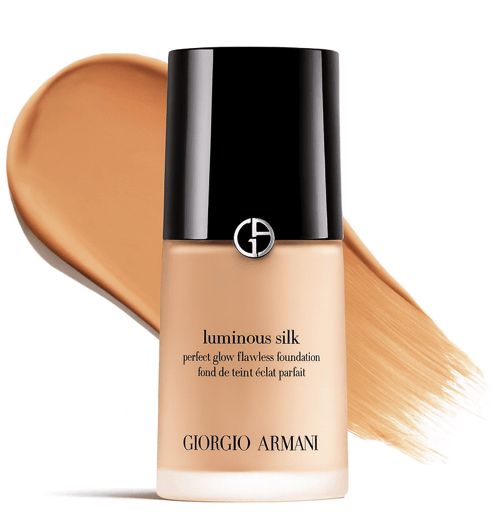
In our experience, this glycerin-based liquid behaves more like a second skin that stays flush against the surface instead of separating over dry patches. The medium, buildable coverage uses finely milled pigments to soften the appearance of texture without the typical gripping or dragging on flaky areas. This creates a uniform surface that allows light to reflect evenly across tight or uneven spots.
No. 2
Oily Skin: The Stability Upgrade for Anchored Radiance
For oily skin, the best dewy foundations are those that balance luminosity with longevity. Too much emollience can cause pigment to break down as natural oils surface throughout the day, turning radiance into excess shine. The goal isn’t to eliminate glow — it’s to maintain controlled reflection while keeping the coverage seamlessly intact.
Why it matters
The real challenge for oil-prone skin is that foundation doesn’t just fade — it migrates. As sebum breaks through, pigments can drift into pores or wear away at patches. A thoughtfully-balanced dewy formula diffuses light without fueling surface shine, keeping the finish looking fresh from morning to evening. When coverage stays secure yet flexible, luminosity looks like a deliberate glow rather than a side effect of oil.
A NOTE
Look for lightweight, oil-balanced formulas with medium coverage and a natural or satin-dewy finish. Foundations described as breathable or long-wearing tend to resist slipping in the T-zone without flattening dimension across the rest of the face. Stability matters more than intensity here.
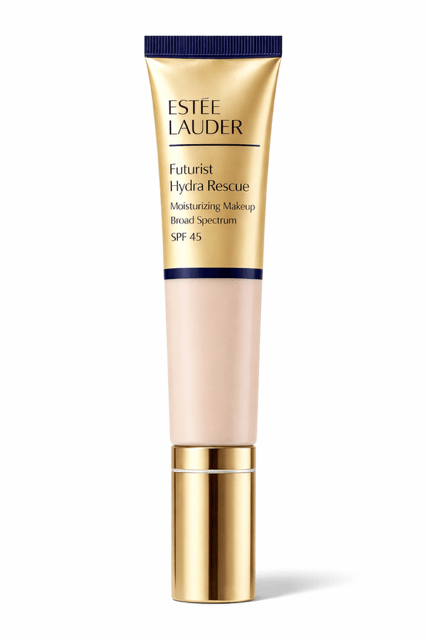
This formula delivers medium coverage with a skin-like finish that stops short of high shine. Designed as an oil-balanced, breathable liquid, it remains lightweight on the skin and stays anchored as the day progresses. The stable texture provides a controlled reflection without slipping or feeling heavy in the T-zone. The result is a natural surface that reflects light evenly across the face instead of turning into a greasy gloss.
No. 3
Combination Skin: The Adaptive Upgrade for Balanced Reflection
For combination skin, the best dewy foundations are those that harmonize across the face without creating a stark contrast. A formula that appears luminous on the cheeks can often read as greasy through the T-zone if the finish isn’t perfectly balanced. These versatile textures bridge the gap, maintaining a velvety softness on dry areas while ensuring the oilier sections stay luminous rather than slick.
Where Adaptive Coverage Matters Most
- T-zone: requires stability and controlled luminosity
- Cheeks: benefit from flexible, light-diffusing texture
- Jawline: needs seamless blending to avoid tonal contrast
Why it matters
The difficulty with combination skin lies in managing dual textures. When a formula isn’t versatile enough, it can cling to the outer perimeter of the face while sliding off the center. A thoughtfully intuitive dewy foundation diffuses light uniformly, ensuring that the glow looks cohesive from every angle. When coverage is truly seamless, the transition between your driest and oiliest zones becomes invisible.
A NOTE
Look for medium, buildable coverage with a satin-to-natural luminous finish. These textures tend to diffuse light evenly, preventing the face from splitting into stark matte and shiny zones. The ultimate goal is continuity — a single, cohesive surface that looks like healthy skin from every angle.
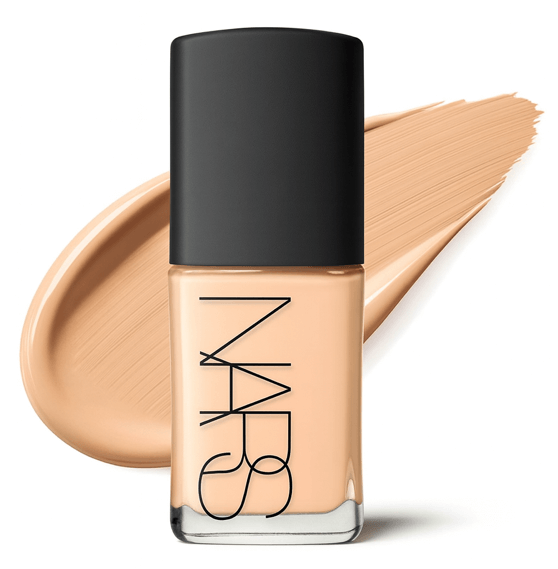
Despite its name, this formula delivers a satin, buildable finish rather than overt shine, making it well suited to combination skin. The lightweight texture blends smoothly across varied zones, maintaining brightness on the cheeks without overwhelming the T-zone. With added vitamin C to support clarity, it enhances natural radiance while keeping coverage controlled and adaptable. The effect is balanced and skin-like, not segmented.
No. 4
Sensitive Skin: The Minimalist Upgrade for Calming Coverage
For sensitive skin, the best dewy foundations are those that prioritize simplicity over saturation. Dense pigment, heavy fragrance, or overly glossy finishes can often agitate reactive areas, heightening redness rather than softening it. A lightweight, breathable formula with restrained luminosity supports a healthy radiance without overwhelming the skin’s natural balance.
Why it matters
Sensitive skin often reacts to friction, heat, or buildup. When coverage feels weightless and flexible, it’s less likely to emphasize flushing or sudden shifts in texture. The right dewy foundation creates a soft radiance that feels light on the skin, blurring sensitive areas rather than putting them on display. When a formula is truly non-intrusive, the glow looks natural and calm rather than irritated.
A NOTE
Look for fragrance-free, hypoallergenic textures that feel like a weightless fluid. Ingredients like squalane or centella asiatica provide essential comfort without the risk of reaction. The priority is tranquility—a finish that nurtures the skin while providing a refreshed, calm glow.
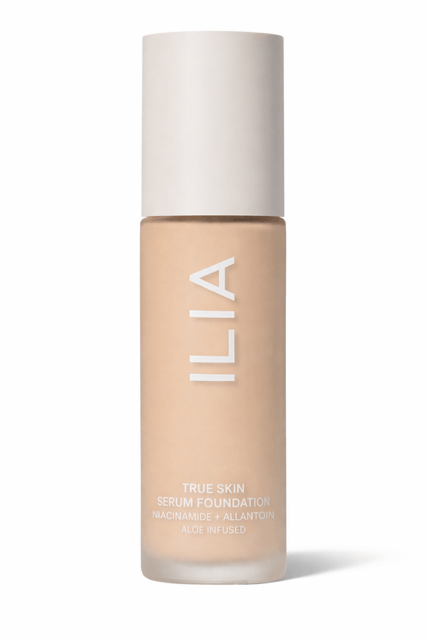
Formulated with squalane and aloe, this weightless fluid is designed to sit comfortably on the skin without absorbing into reactive areas. The medium, buildable coverage uses a breathable, serum-like texture to even out the appearance of redness without the friction of a heavier cream. By prioritizing a fragrance-free, simple ingredient list, it maintains a uniform finish that leaves the complexion looking calm and balanced
No. 5
Mature Skin: The Elastic Upgrade for Diffused Light
For mature skin, the best dewy foundations are those that prioritize light diffusion and flexibility over heavy coverage. Dense pigments or high-shine finishes can often migrate into fine lines, breaking up the luminous finish rather than enhancing it. A formula that offers an elastic radiance allows the foundation to move with the face, maintaining a smooth, unified reflection.
Why it matters
The natural shift in elasticity and volume is the primary challenge for mature skin. When a formula lacks “give,” it becomes static, eventually accentuating the very texture it was meant to blur. A thoughtfully supple dewy foundation acts as a smoothing veil, diffusing light across the surface to create soft dimension. When coverage remains breathable and fluid, the luminosity looks youthful and seamless rather than heavy.
A NOTE
Look for “serum-infused” or “blurring” labels with medium, buildable coverage. Ingredients like peptides or ceramides are essential here, providing structural comfort so the finish doesn’t “fracture” throughout the day. The priority is elasticity—a finish that moves with you to keep the glow blurred and constant.
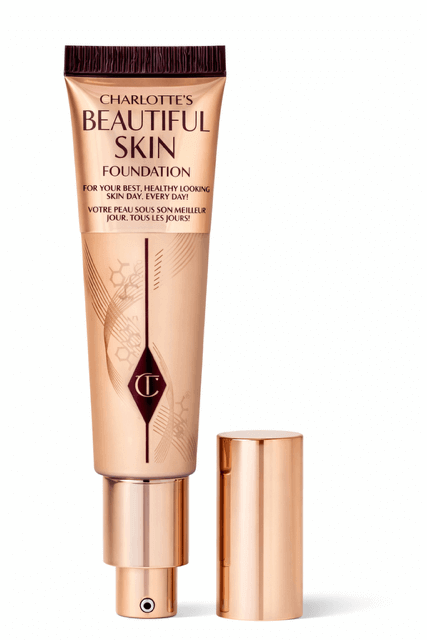
Infused with hyaluronic acid, this serum-like formula is designed to maintain skin elasticity so the finish moves with the skin rather than settling into fine lines. The medium, buildable coverage uses light-diffusing pigments to soften the appearance of texture and create a blurred effect across the surface. This creates a flexible, consistent reflection that avoids the heavy or static look often associated with denser pigments.
Enhancement Notes: Applying Your Dewy FOUNDATION
- Apply over a fully set primer to maintain clarity of coverage. If the base underneath is still shifting, pigment can separate or lose evenness. Coverage only looks radiant when the base underneath supports it.
- Build in thin layers. Sheer passes maintain flexibility and prevent heaviness from gathering in textured areas.
- Control reflection selectively. A light touch of powder through the center of the face can preserve structure while keeping dimension intact elsewhere.
- Step back before adding more. Dewy formulas often intensify as they settle, and over-layering can dull the finish you’re trying to enhance.
Final Thoughts: Best Dewy Foundations for Glowing Skin: Upgrading Coverage by Skin Type
The best dewy foundations for glowing skin are less about sheen and more about how coverage interacts with texture, oil, and movement. When pigment, finish, and flexibility are matched to your specific skin type, light reflects evenly rather than unpredictably. Upgrading coverage is the first step toward a more dimensional, controlled finish — one that evolves with your skin and your routine.
For a more balanced, refined finish across different conditions, explore the Luster Selection.
Continue Your Glow Path
Current Stage: Enhancement (I) · Upgrade
START HERE
Awareness (I) · Discover
EXPLORE ON
Balance (I) · Reset
LEVEL UP
Enhancement (II) · Refine

Glow doesn’t end here — it evolves. Keep building it, your way.