
Learning how to create a glowing base for makeup isn’t just about coverage — it’s about layering products in a way that keeps skin balanced, smooth, and supported from the start. The way those layers interact often has more influence on the finished result than foundation alone.
More products don’t necessarily create a better finish. Letting formulas settle, balancing textures, and knowing when to stop before skin becomes overwhelmed all play a role in how makeup wears over time. Often, the difference between a finish that feels balanced and one that doesn’t, comes down to what happens before the foundation is ever applied.

*Some links in this edit are affiliate links, which means we may earn a small commission if you choose to shop through them — at no extra cost to you. As an Amazon Associate, we earn from qualifying purchases. This content is for informational purposes only; please consult a professional before making changes to your routine.
GLOW PATH STAGE
Balance (II) · Stabilize
No. 1
How to Prep Skin for a Glowing Makeup Base
If you want to know how to create a glowing base for makeup, start with balance. Skin that feels comfortable and supported tends to hold makeup more evenly than skin that feels stripped or overloaded. Begin with a gentle cleanse, then build hydration gradually instead of applying it all at once. Let hydration layering create slip and flexibility without leaving behind excess weight or residue.
Follow with a lightweight moisturizer that softens the surface while still allowing makeup to grip naturally. The goal isn’t to overwhelm the skin with richness — it’s to create a stable foundation that supports glow without disrupting the layers that come after it.
Why it matters
Every glowing makeup base begins before foundation. The layers underneath shape how evenly texture reflects light, and how balanced everything looks by the end of the day. Prepping skin isn’t just about creating a flawless canvas — it’s about building the right conditions for makeup and skincare to work together without competing for space.
A NOTE
The final skincare layer before primer should leave the skin feeling flexible, not coated. Lightweight moisturizers with a soft, balanced finish tend to create a smoother transition between skincare and makeup, especially when layering multiple complexion products afterward.

A lightweight cream moisturizer with a balanced finish that layers easily underneath primer and foundation without creating excess slip or heaviness. Its soft cream texture absorbs comfortably while still leaving enough flexibility for other
complexion products to move evenly across the skin, making it especially useful in makeup routines built around layering.
No. 2
What to Use Before Foundation for Natural Radiance
What you apply between skincare and foundation shapes how naturally glow progresses through the rest of your glow-forward routine. Instead of adding heavy glow layers all at once, focus on lightweight complexion-prep products that blend easily into moisturizer while still allowing foundation to sit evenly on top.
The goal is less about visible shimmer and more about creating a balanced surface where hydration, light, and coverage can coexist without competing.
why it matters
The layers underneath foundation influence whether makeup looks integrated or disconnected from the skin beneath it.Lightweight glow primers, fluid illuminators, and serum-gel hybrids tend to work best when they feel like an extension of skincare rather than a separate reflective layer sitting on top of it. Choosing products with flexible textures helps maintain movement and dimension across the skin while still keeping the base stable throughout the day.
A NOTE
Glow layers tend to work best when they’re treated as part of the skincare-to-makeup transition rather than as a final effect. Lightweight liquid illuminators and serum-gel formulas often layer more evenly underneath foundation than thicker luminous creams or visible shimmer products.
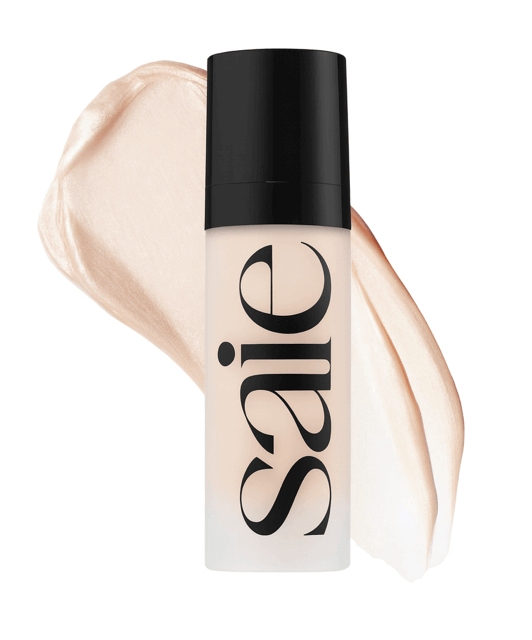
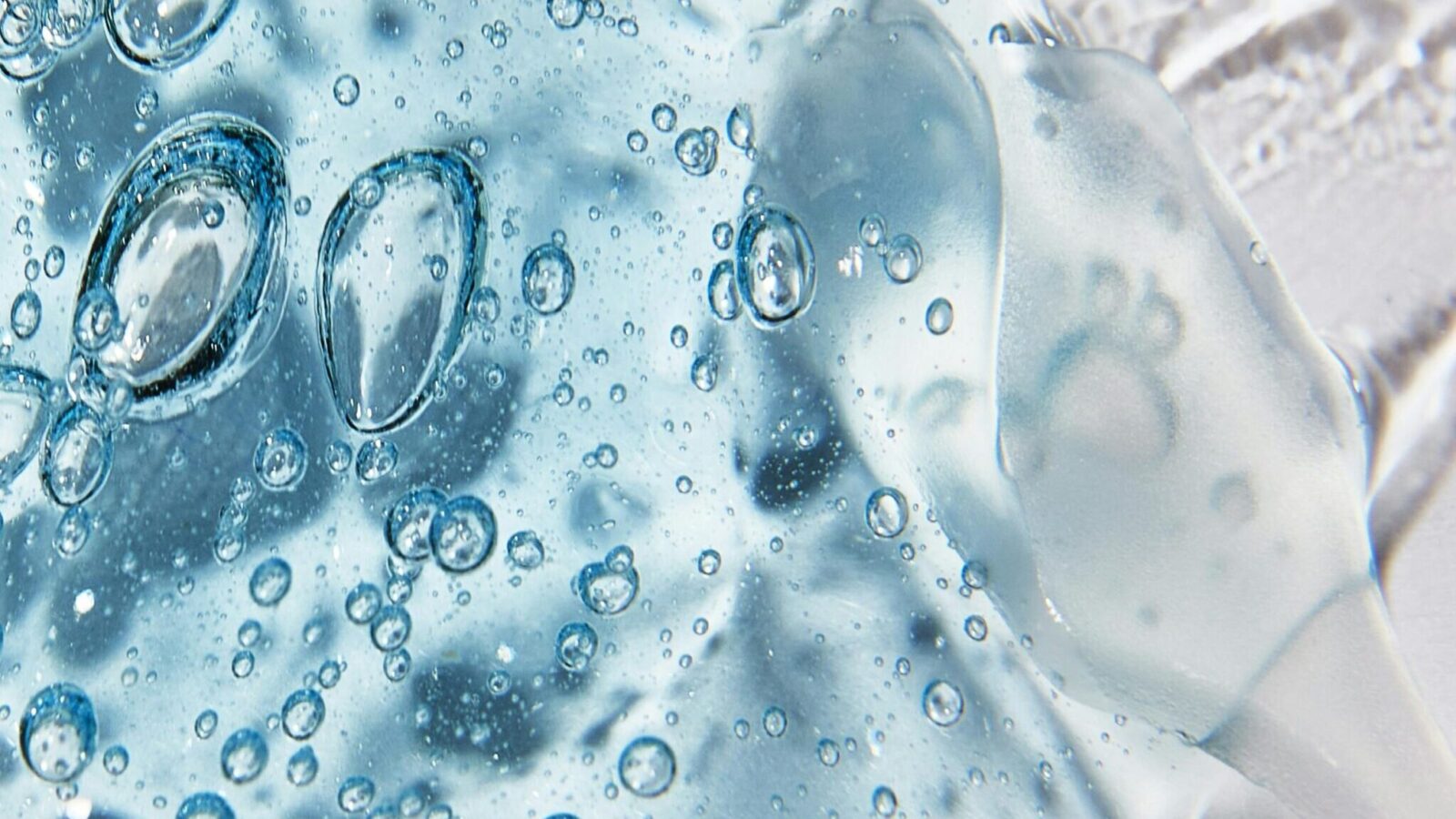
A lightweight serum-gel illuminator that layers easily between skincare and foundation without creating excess weight or separation. The fluid texture blends naturally into moisturizer while adding a soft reflective finish that remains subtle underneath complexion products, making it especially useful in glowing base routines built around lightweight layering rather than visible shimmer.
No. 3
How to Layer Skincare and Primer Without Pilling
When skincare and primer create too much movement, weight, or friction together, the base underneath makeup can quickly become uneven. Pairing lightweight textures with similar consistencies usually creates a smoother transition between skincare and makeup, especially in glow-forward routines built around multiple layers. Let moisturizer absorb fully before applying primer, then spread primer gently across the skin instead of aggressively buffing it.
Small shifts in sequencing and application technique often make the difference between a base that feels cohesive and one that begins separating before foundation is even applied.
why it matters
Even balanced skincare can become unstable if the layers applied afterward compete for space on the skin. Learning how to layer skincare and primer without pilling is less about using fewer products, and more about understanding how texture, timing, and sequencing shape the surface underneath makeup. When layers settle evenly, radiance looks integrated into the skin instead of sitting separately on top of it.
A NOTE
Primers with lightweight, flexible textures tend to layer more evenly over skincare than heavier formulas that leave behind excess slip or surface buildup. Applying thin layers gradually usually creates a smoother transition between skincare and foundation than trying to correct texture all at once.
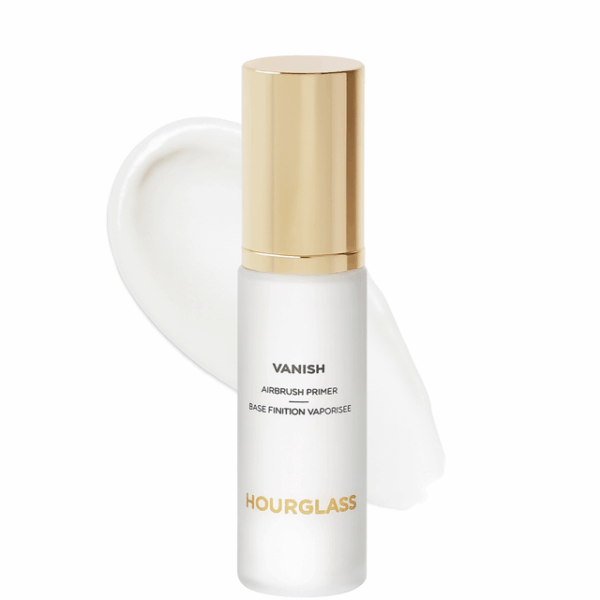
The fluid, silicone-free texture layers comfortably over moisturizer without creating the heavy surface buildup that can interfere with foundation application later on. Its lightweight consistency spreads evenly across the skin while helping complexion products apply more smoothly afterward, making it especially useful in a glow-forward routine built around multiple lightweight layers.
No. 4
The Best Way to Maintain a Smooth, Lasting Makeup Finish
A lasting makeup finish usually starts with keeping each layer balanced instead of relying on heavy hold from the beginning. Hydrated prep, flexible textures, and thin complexion layers often wear more evenly throughout the day than routines built around thick powders or overly matte finishes.
As temperatures rise, adjusting foundation for a smoother finish in warm weather can also help maintain a smoother-looking base without adding more heavy-setting layers across the skin. Let each layer settle before applying the next, then build coverage gradually so the base stays smooth without becoming overloaded. Longevity tends to come more from consistency between layers than from locking everything down at once.
why it matters
Long-wear makeup can quickly lose dimension when the products underneath become too dry, too heavy, or too rigid together. Creating a glowing base for makeup that lasts throughout the day depends on maintaining flexibility across the skin so complexion products can move naturally instead of separating or looking flat over time. Balanced hydration and gradual application usually maintain dimension more naturally than relying on heavy setting from the start.
A NOTE
Lightweight setting sprays and flexible finishing products often help maintain the movement and softness underneath radiant makeup better than heavy powders applied all at once. Pressing away excess product before applying finishing layers can also help reduce buildup without disrupting the layers underneath.
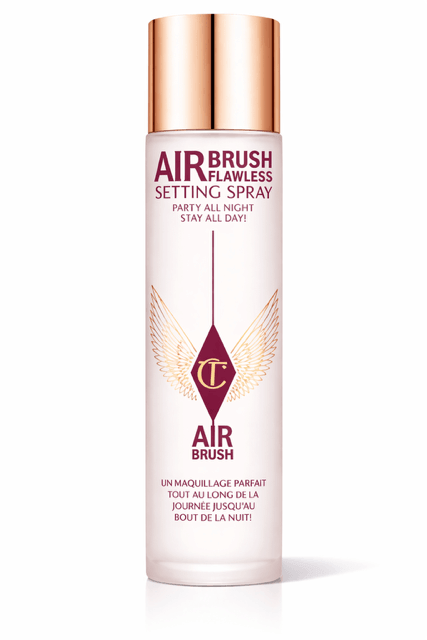
A lightweight setting spray designed to help complexion layers wear more evenly throughout the day without creating a heavy or overly matte finish. The fine mist helps finishing layers settle more evenly across the skin while supporting longer-lasting makeup wear, making it especially useful in base routines where dimension and softness still need to remain visible underneath setting layers.
Part of the Luster Selection
No. 5
Building a Glowing Base That Feels Like Skin, Not Product
Learning how to create a glowing base for makeup doesn’t come from adding endless layers — it comes from understanding when the base already feels balanced. Thin, flexible complexion layers usually create a more natural-looking finish than heavy coverage built up all at once. Press products gently into the skin instead of dragging them across the surface, and allow natural texture to remain visible rather than trying to smooth everything away completely.
When the layers underneath stay lightweight and cohesive, radiance tends to look more integrated throughout the routine.
Why it matters
A radiant base usually looks most natural when the skin underneath still feels present beneath the makeup. Instead of relying on visible shimmer or excessive glow products, balanced layering allows light to move more evenly across the surface without masking texture entirely. Learning how to create a glowing base for makeup is often less about adding more luminosity and more about maintaining flexibility, softness, and movement from one layer to the next.
A NOTE
Finishing techniques that press layers together gently often create a more natural-looking surface than adding additional product at the end of the routine. Damp sponges and lightweight finishing layers can help soften transitions between complexion products without disturbing the structure underneath.
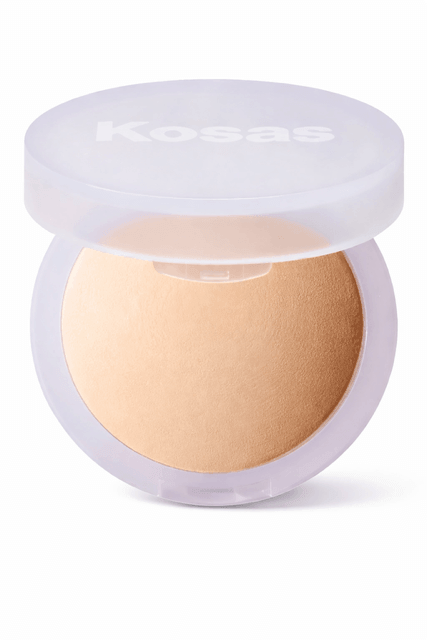
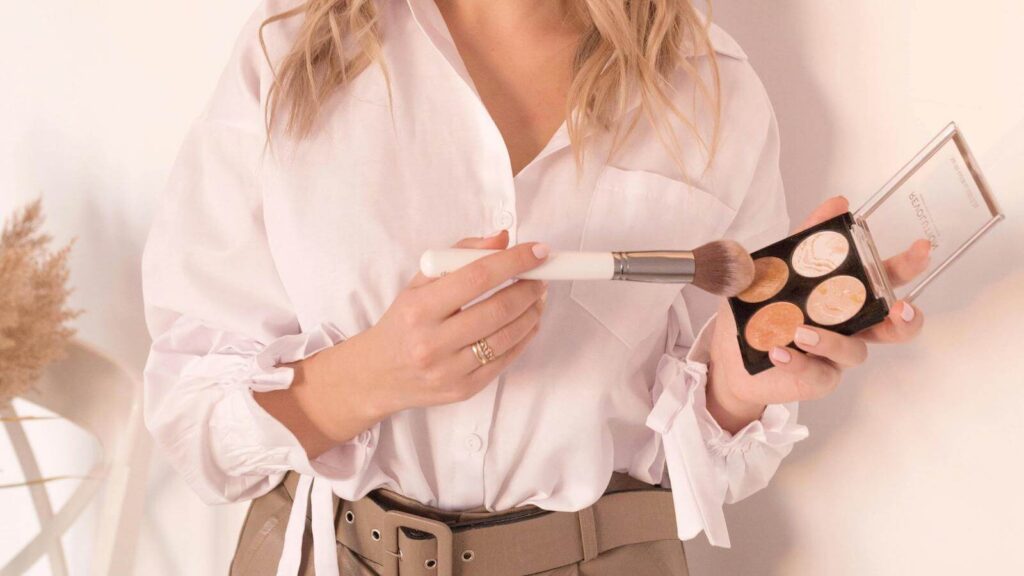
A lightweight baked setting powder designed to reduce excess shine without masking the texture underneath makeup. The soft, airy formula layers smoothly over complexion products while helping the skin maintain movement and dimension, making it especially useful in glow-forward makeup routines built around flexible layering and natural-looking finish, rather than matte coverage.
Final Thoughts: How to Create a Glowing Base for Makeup: Skincare, Layering, and Long-Wear Balance
Creating a glowing base for makeup starts with understanding how each layer shapes the one that follows. Hydration, primer, complexion products, and finishing steps all influence whether the final result feels balanced, smooth, and connected to the skin throughout the day.
Glow isn’t created through excess product or visible shimmer — it’s built through texture, sequencing, and restraint. When layers work together instead of competing for space, makeup tends to wear more naturally whilst allowing skin, light, and dimension to remain visible underneath.
For a more balanced, refined finish across different conditions, explore the Luster Selection.
Continue Your Glow Path
Current Stage: Balance (II) · Stabilize
START HERE
Awareness (III) · Understand


EXPLORE ON
Balance (II) · Stabilize
Glow doesn’t end here — it evolves. Keep building it, your way.