
Winter has a way of making even the most reliable makeup base feel unpredictable. One day everything looks smooth and balanced, and by midday makeup starts to lose freshness, separate, or fade — despite using hydrating skincare underneath. Cold air, indoor heat, and heavier textures all affect how base products sit on skin, which is why a hydrating base routine for winter makeup often needs more intention, not more layers.
Instead of adding extra steps, the goal is to support skin’s natural radiance while keeping makeup intact. As GlamourTip continues to explore how seasonal shifts influence both skin and makeup behavior, this guide focuses on building a winter base routine that maintains a fresh, hydrated look without tipping into slip or breakdown. From skin prep to primer choice and base application, the approach here is designed to help makeup hold onto comfort, balance, and luminosity throughout the day.

*Some links in this edit are affiliate links, which means we may earn a small commission if you choose to shop through them — at no extra cost to you. As an Amazon Associate, we earn from qualifying purchases. This content is for informational purposes only; please consult a professional before making changes to your routine.
GLOW PATH STAGE
Adaptation (I) · Adjust
No. 1
Why Makeup Loses Freshness Faster in Winter — Even With Hydrating Skincare
In winter, makeup can start to lose freshness earlier in the day, even when skin feels hydrated. Cold outdoor air and dry indoor environments change how moisture moves across the skin’s surface, which can subtly affect how base products apply and wear in a winter makeup routine.
Seasonal conditions are also associated with transepidermal water loss (TEWL), meaning hydration can fluctuate throughout the day — particularly on dehydrated skin. When moisture levels shift, a hydrating makeup base for winter may appear less stable, leading to soft fading or uneven wear as the day goes on.
Why it matters
When hydration is added without structure, makeup is more likely to lose clarity or break down in cold weather. A hydrating base routine for winter makeup works best when hydration is introduced early and lightly, creating balance before heavier layers are applied.
A NOTE
Press a lightweight hydrating toner or essence into clean skin with your hands, then pause for 30 – 60 seconds before moving on to moisturizer so the surface stays balanced rather than slick under makeup.
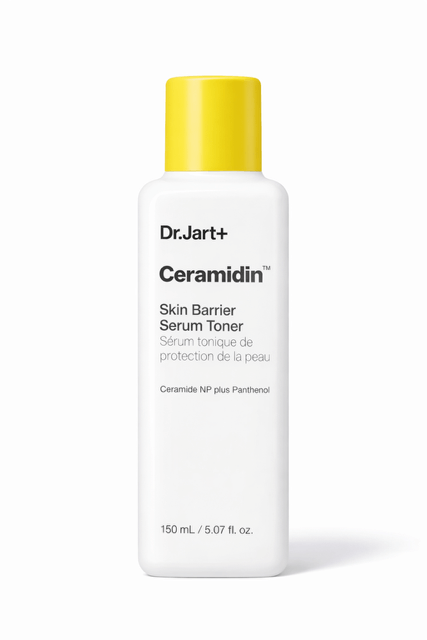
This serum-toner combines ceramides and glycerin in a lightweight, fast-absorbing texture that adds early hydration without leaving a slippery surface. Used as the first step in a winter base routine, it helps condition the skin before moisturizer and primer are layered on, creating a more balanced starting point for makeup when cold weather tends to disrupt how base products sit.
No. 2
How to Prep Skin for a Hydrating Makeup Base Without Causing Slip
After hydration is introduced, the next decision in a winter makeup routine is how to support the skin without softening it too much. Cold weather often encourages heavier creams, but when textures sit too thick on the surface, makeup can lose control before it’s even applied.
When it comes to a winter makeup routine for dry skin, moisturizer choice and application play a central role in how well base products hold up throughout the day.
why it matters
When moisturizer overwhelms the skin’s surface, makeup is more likely to shift or loose definition as the day goes on — especially in colder conditions. Choosing a balanced texture helps maintain comfort while avoiding the slip that leads to uneven wear.
A NOTE
Apply a gel-cream or lightweight cream moisturizer in a thin, even layer — focusing on areas that feel tight — and allow it to absorb fully before moving on to primer and foundation.
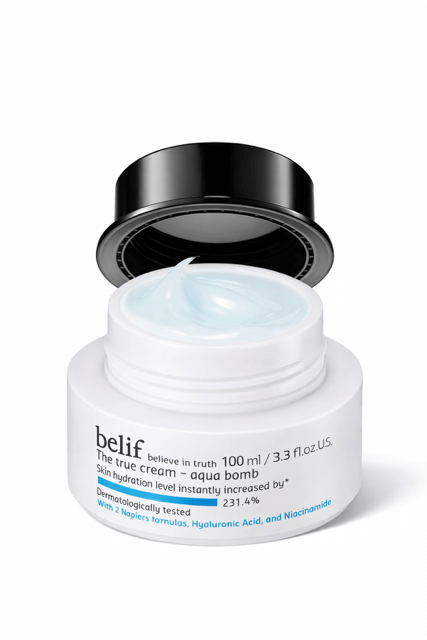
This gel-cream moisturizer features glycerin, hyaluronic acid, and niacinamide in a lightweight, fast-absorbing texture that hydrates without leaving residue on the skin’s surface. Layered after a toner or essence, it cushions the skin while keeping it responsive — a useful balance when prepping for base makeup in winter before primer and foundation are layered on. The finish feels softly cushioned rather than slick, which helps maintain control at the surface so subsequent makeup layers apply more evenly.
No. 3
The Role of Hydrating Primer in a Winter Makeup Routine
Once skin is hydrated and balanced, primer becomes the bridge between skincare and makeup. In winter, this step carries more weight, as base products are more likely to react to changes in temperature and surface texture.
A hydrating primer for winter makeup should support comfort without undoing the work of the layers beneath it, helping makeup sit evenly rather than slide or fade as the day goes on.
why it matters
When primer adds too much slip, makeup is more likely to shift or lose clarity — a common issue when skin is already well moisturized. Choosing a hydrating formula with structure helps maintain freshness while keeping the base controlled.
A NOTE
Apply hydrating primer sparingly, focusing on the center of the face and areas where makeup tends to fade first, then let it set briefly before moving on to foundation.
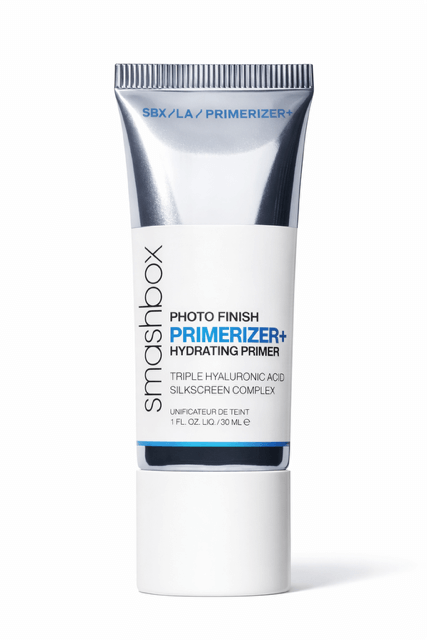
This hydrating primer blends glycerin and hyaluronic acid into lotion-like texture that layers smoothly over moisturizer without feeling greasy. Used after skincare has fully absorbed, it helps create a softly conditioned surface that supports even foundation application — an effective step for keeping makeup looking fresh and cohesive in winter conditions.
No. 4
How to Apply Base Makeup So It Holds Hydration Without Breaking Down
By the time base makeup is applied, winter conditions have already influenced how the skin behaves. Even with thoughtful prep and primer, application technique plays a major role in whether makeup maintains clarity or starts to shift as the day goes on.
This step is especially important when separating or fading in winter becomes a recurring issue, as heavier textures and dry air can amplify small imbalances in how products are layered.
why it matters
In winter, dragging or over-buffing foundation can disrupt surface hydration and lead to uneven wear. A controlled, press-and-place approach helps preserve balance and supports a finish that looks smooth and radiant rather than overworked.
A NOTE
Apply foundation in thin layers using a damp sponge or fingertips, pressing product into the skin from the center of the face outward and avoiding repeated buffing over the same areas.
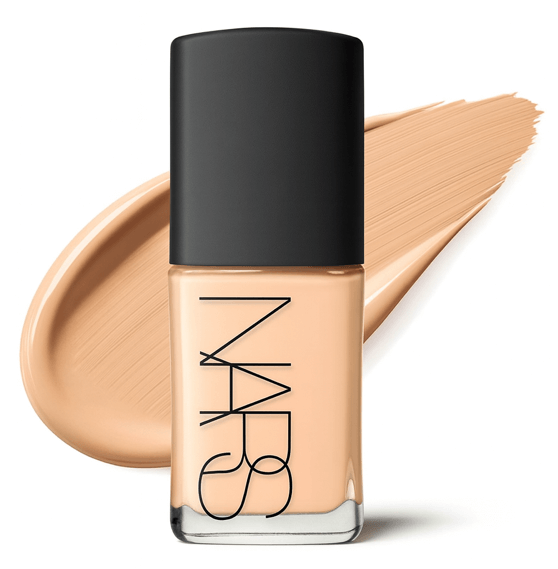
Formulated with glycerin and lightweight emollients, this fluid foundation has a naturally adaptable texture that responds well to winter application techniques. The formula spreads evenly without requiring aggressive buffing, making it well suited for pressed or tapped application over primer. When built in thin layers, it maintains a soft, light-reflective finish that helps makeup look fresh and cohesive, even when cold weather and indoor heat would normally encourage uneven wear.
No. 5
How to Keep Makeup Looking Fresh Through the Day in Cold Weather
Even with careful prep and application, winter conditions continue to influence how makeup wears throughout the day. A dry winter makeup base often doesn’t fail all at once — it gradually loses flexibility as indoor heat, cold air, and natural movement affect the finish.
This final step focuses on maintaining balance rather than correcting breakdown, helping makeup retain a fresh, cohesive look without adding weight.
Why it matters
Over-powdering or repeated touch-ups can disrupt hydration and emphasize dryness as the day goes on. Light, targeted maintenance helps preserve surface comfort while keeping the base visually consistent.
A NOTE
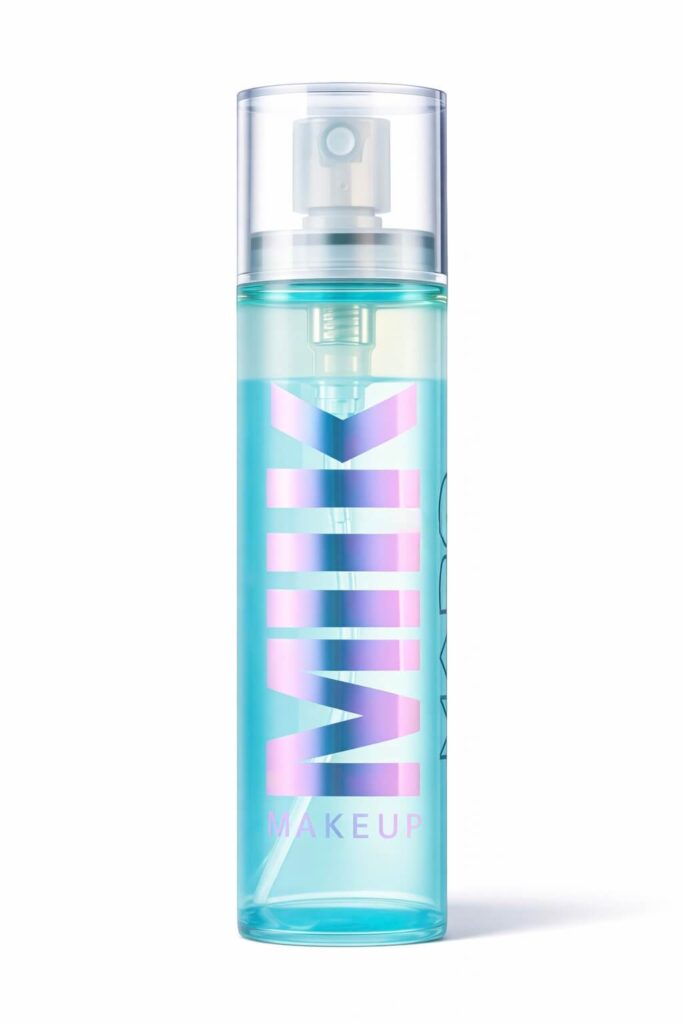
Mist a hydrating spray lightly over the complexion from arm’s length, then press gently with clean hands or a sponge to re-integrate moisture without disturbing the base.
A richer face cream that creates a more cushioned base before makeup is applied, helping the surface hold its flexibility as moisture levels drop. It supports a smoother, more even finish so powder sits less visibly and the overall look stays soft rather than light or dry.
Final Thoughts — The Hydrating Base Routine That Keeps Makeup Fresh Through Winter
A hydrating base routine for winter makeup works best when each step supports the next, rather than competing for attention on the skin. From lightweight hydration through balanced prep, thoughtful priming, and controlled application, winter makeup holds up longer when hydration is introduced with intention instead of excess.
By focusing on how products interact — not just how they feel — glow-forward makeup routines like this reflect the way GlamourTip approaches glow as a matter of balance, texture, and finish behavior. When hydration is layered strategically and maintained gently, makeup stays fresh, comfortable, and visually consistent throughout the colder months without constant correction.
For a more balanced, refined finish across different conditions, explore the Luster Selection.
Continue Your Glow Path
current stage: Adaptation (I) · Adjust
START HERE
Maintenance (II) · Preserve

EXPLORE ON
Adaptation (I) · Adjust

LEVEL UP
Awareness (III) · understand

Glow doesn’t end here — it evolves. Keep building it, your way.