
Cream blush can look perfectly blended one day and uneven the next. Color that once appeared softly diffused may begin to settle into texture or cling to dry spots, resulting in a finish that looks patchy rather than seamless. Often, the blush itself isn’t the issue. Instead, the skin’s surface, the foundation’s finish, and the texture of the formula all influence how evenly the pigments spread.
In this guide, GlamourTip examines the variables behind why your cream blush looks patchy and what might be preventing that smooth blend. Understanding these subtle shifts makes it easier to reset your finish and bring your cheek color back into balance for a natural-looking flush.
*Some links in this edit are affiliate links, which means we may earn a small commission if you choose to shop through them — at no extra cost to you. As an Amazon Associate, we earn from qualifying purchases. This content is for informational purposes only; please consult a professional before making changes to your routine.
GLOW PATH STAGE
Balance (I) · Reset
No. 1
Why Cream Blush Starts Looking Patchy on the Skin
While blush powders are designed to sit lightly on the surface, cream pigments move with hydration levels, foundation textures, and underlying unevenness. Because these conditions often vary across the complexion, blush pigment can distribute inconsistently and concentrate in certain spots instead of diffusing softly. This shift usually becomes noticeable once your makeup settles, as areas of dry skin can keep the color from blending out smoothly—which can be why your cream blush looks patchy.
Why it matters
Cream blush blends best when the surface underneath receives pigment evenly. When hydration levels and base texture stay balanced, the color disperses gradually instead of concentrating in certain areas.
A NOTE
If your cream blush clings to specific spots, it may be due to a buildup of dry skin or lingering residue from the night before. Using a gentle exfoliant in the morning can help clear away surface texture and overnight products, creating a uniform base so the pigment spreads smoothly.

This water-activated enzyme exfoliant is a staple in our makeup prep because it prioritizes surface uniformity. Formulated with finely milled Japanese rice bran and papaya enzymes, the powder transforms into a non-abrasive foam. In our experience, using this before application is essential when the skin feels slightly uneven; unlike harsh physical scrubs, the enzymatic action helps create a smooth canvas that allows cream blush pigments to distribute with better balance and less risk of clinging to dry patches.
No. 2
When Cream Blush Doesn’t Blend Smoothly Over Foundation
Some foundations set quickly, others contain more silicone, and some leave a slightly matte surface once they dry. When cream pigment is applied on top of those finishes, the blush can stop blending midway and begin lifting the base underneath instead of diffusing it evenly.
This is why patchiness often appears during blending rather than application. Instead of spreading outward, the blush may drag across the foundation layer or pick up product from the surface.
why it matters
Cream blushes perform best when the base underneath still allows a small amount of movement. When the foundation sets too firmly or becomes overly matte, pigment tends to catch rather than disperse.
A NOTE
If your cream blush repeatedly catches or stops blending, check the foundation underneath before adding more color. Choosing a base that keeps a more flexible, skin-like finish can make blending noticeably easier.
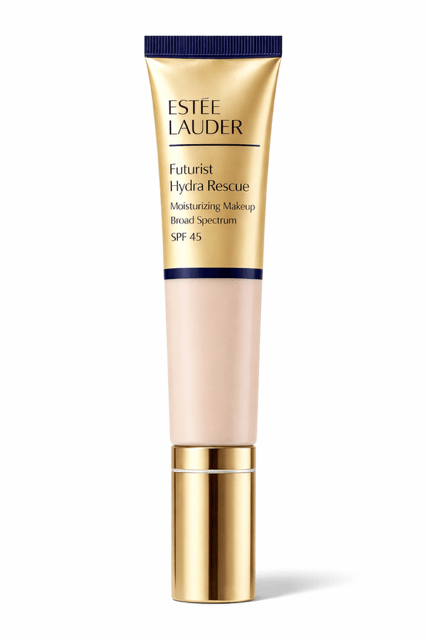
A fluid foundation formulated with ingredients such as hyaluronic acid and ion-charged water. The lightweight liquid spreads thinly across the skin and leaves a natural radiant finish, creating a base that allows cream pigments to move more gradually during blending.
No. 3
How Cream Blush’ Texture Can Affect Its Blendability
Cream blush formulas can vary widely in texture. Some are balm-like and emollient, while others set more quickly once they touch the skin. These differences can affect how easily the pigment spreads across the cheeks.
When a formula sets too quickly or contains a thicker wax base, the color may stop moving during blending. Instead of diffusing outward, the pigment can remain concentrated where it was first applied, which could also be a reason why your cream blush looks patchy.
why it matters
Blendability often depends on how long the formula stays workable on the skin. Cream blushes that remain slightly flexible during blending tend to spread more gradually across the cheeks.
A NOTE
If your cream blush becomes difficult to move once applied, try warming a small amount between your fingertips before tapping it onto the skin. This can help soften thicker balm textures so the pigment spreads more easily.
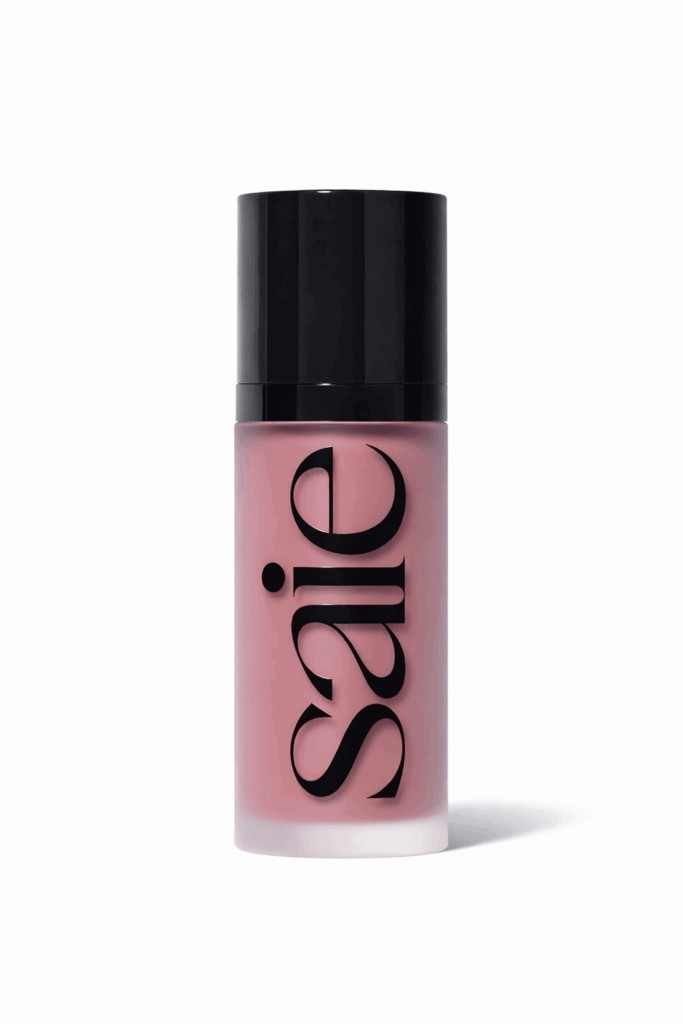
A liquid cream blush formulated with a fluid base and ingredients such as licorice root and elderberry extract. The lightweight texture spreads easily and remains workable during blending, which gives the pigment more time to diffuse gradually rather than setting immediately where it’s first applied. It also comes in a beautifully curated range of shades from soft peachy to deeper berry tones (hello gorgeous Chilly), making it easy to find a color that complements the rest of your complexion.
No. 4
Application Adjustments That Smooth Patchy Cream Blush
Even when the skin is prepped well and the base formula underneath is compatible, technique still affects how pigment spreads across the cheeks. Cream blush tends to distribute more smoothly when it is pressed gradually into the surface rather than moved quickly across it.
Cream Blush Adjustments to help maintain an even finish
- Start with less pigment than you think you need.
- Applying a small amount first makes it easier to build color gradually without concentrating pigments in one area.
- Tap or press rather than sweep.
- Light tapping motions help the pigment settle into the base instead of shifting foundation underneath.
- Work from the center outward.
- Placing the blush first where you want the most color and blending outward helps maintain a soft edge.
- Blend while the formula is still flexible.
- Cream blush is usually easiest to diffuse in the first moments after application.
why it matters
Cream pigments distribute more evenly when they are layered gradually across the cheeks rather than concentrated in a single spot.
A NOTE
If your cream blush color begins to look uneven while blending, pause before adding more product. Pressing gently with a clean sponge can help redistribute the pigment and soften edges.
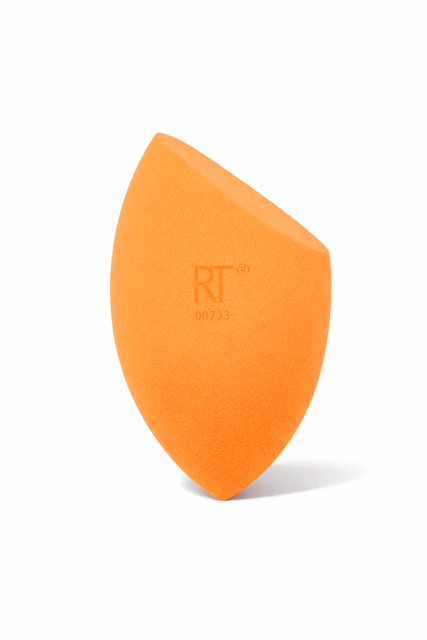
A soft makeup sponge designed with a three-point shape to help apply and blend liquid and cream formulas. The rounded sides diffuse pigment across the cheeks, the flat edge presses product onto the skin, and the pointed tip reaches smaller areas where color can sometimes collect. An ideal pick for redistributing cream blush without disturbing the base underneath.
No. 5
How to Fix Patchy Cream Blush Without Removing Your Makeup
Cream formulas remain workable longer than powders, which means uneven areas can often be softened, rather than removed. When pigment starts concentrating in certain spots, the goal isn’t to add more color but to gently redistribute the already-existing product.
A light press with a clean sponge or fingertip can help diffuse the edges and blend the pigment back into the surrounding base. If the color still looks uneven, tapping a small amount of foundation over the area before reapplying blush can restore balance without disturbing the rest of the makeup.
Why it matters
Correcting uneven blush early keeps the complexion looking balanced rather than overworked. Small adjustments allow the color to integrate back into the base so the overall finish still reads as skin rather than layered makeup.
A NOTE
When blush starts looking uneven, resist the urge to layer more pigment immediately. Working with a cream formula that allows controlled, gradual placement can make it easier to rebalance the color where it sits on the cheeks.
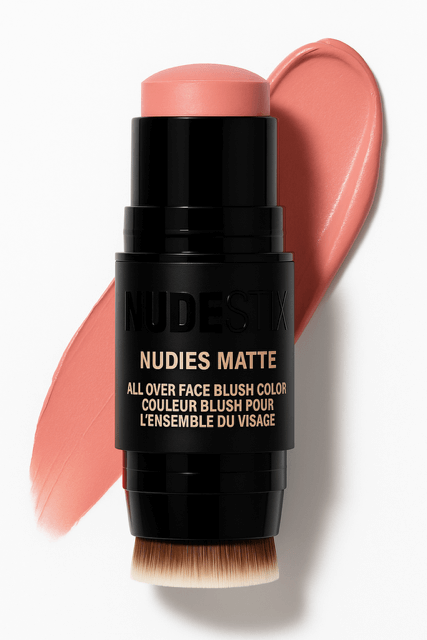
A cream blush stick designed with a built-in blending brush on the opposite end. The creamy formula and attached brush make it easy to tap and soften pigment directly on the skin, allowing color to be redistributed gradually when areas begin to look uneven.
Final Thoughts — Why Your Cream Blush Looks Patchy And How to Achieve a Smooth, Natural-Looking Flush
Cream blush looks most natural when the complexion stays in balance. Everything from the condition of the skin to the foundation’s finish and the formula’s texture dictates how evenly pigment spreads across the cheeks.
When one of these elements shifts, blush color can begin to concentrate rather than diffuse. A small reset — whether adjusting the base, redistributing pigment, or blending the edges — usually restores balance and allows flush to settle smoothly for a seamless, polished look.
For a more balanced, refined finish across different conditions, explore the Luster Selection.
Continue Your Glow Path
Current Stage: Balance (I) · Reset
START HERE
Awareness (II) · Learn

EXPLORE ON
Balance (II) · Stabilize

LEVEL UP
Enhancement (I) · Upgrade
Glow doesn’t end here — it evolves. Keep building it, your way.