
Warm weather often alters the appearance of foundation long before you adjust your glow-forward routine to compensate. A base that once felt balanced and seamless can suddenly appear heavier, shinier, or more textured as heat, humidity, and product layering begin to interact.
Adjusting your foundation for a smoother finish in warm weather ultimately comes down to recalibrating how the skin is prepped, layered, and set. Small shifts in texture, application, and wear can completely transform the way your base reflects light—especially when colder-weather routines carry too much weight into the new season.

*Some links in this edit are affiliate links, which means we may earn a small commission if you choose to shop through them — at no extra cost to you. As an Amazon Associate, we earn from qualifying purchases. This content is for informational purposes only; please consult a professional before making changes to your routine.
Adjusting Foundation for Warm Weather
- Use lighter textures underneath foundation when prepping skin
- Shift toward satin and natural finishes in heat and humidity
- Apply powder more selectively across areas that hold shine first
- Reduce layered grip and long-wear products across the base
- Make smaller touch-ups instead of reapplying full coverage throughout the day
GLOW PATH STAGE
Adaptation (I) · Adjust
No. 1
Why Heavy Skincare Starts Competing With Foundation in Warm Weather
A foundation finish that once looked balanced and seamless in colder weather can start reacting very differently once temperatures rise. Rich moisturizers, heavier SPF layers, and occlusive textures often sit closer to the skin in heat and humidity, creating more slip underneath foundation and changing the way light reflect across the surface of the base.
This is often where warmer-weather foundation adjustments begin. As skin prep becomes too dense for the environment, foundation can start looking shinier, thicker, or less refined — even when the products themselves have not changed. In many cases, creating a smoother finish comes from shifting toward lighter hydration layers that allow complexion products to sit closer to the skin without feeling overly coated.
Why it matters
Warm weather tends to amplify texture, movement, and excess surface shine much faster than colder conditions. When skincare underneath foundation becomes too rich for the environment, the finish can lose some of the soft, skin-like balance that helps makeup appear smoother and more naturally diffused across the surface.
A NOTE
Instead of layering multiple rich prep products underneath foundation, try simplifying hydration into lighter, faster-absorbing textures during warmer months. A more flexible base underneath makeup often creates a smoother-looking finish than adding extra powder afterward.
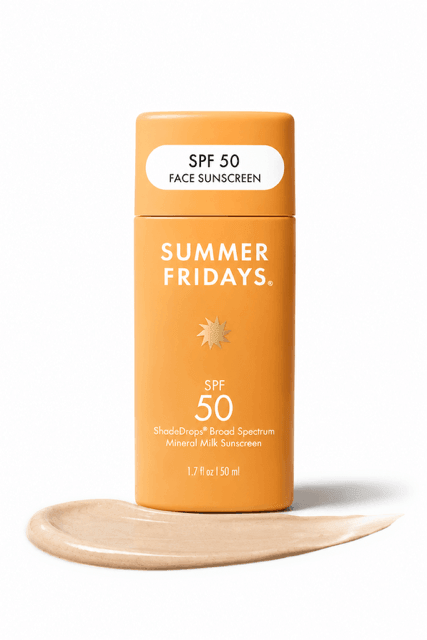
A fluid mineral sunscreen texture that layers lightly underneath foundation without adding the heavier surface feel richer SPF formulas can sometimes create in warm weather. The thinner consistency works especially well in routines focused on maintaining a smoother, more breathable-looking finish.
No. 2
The Foundation Finishes That Tend to Wear Better in Warm Weather
Warmer weather often changes the way different foundation finishes sit on the skin. Formulas that usually feel balanced can begin to appear a bit too reflective, emphasize texture, or lose their evenness as heat and humidity rise. In these conditions, the specific finish of your base often becomes more important than the level of coverage.
Achieving a smoother complexion in warm weather requires shifting away from finishes that are strictly dewy or heavily matte. Instead, favor textures that offer softer, more diffused light reflection. Satin and natural finishes tend to adapt more effectively because they preserve a healthy radiance without allowing the skin to look overly coated or unnaturally flat as the day progresses.
why it matters
Foundation finish plays a major role in how texture, shine, and dimension appear throughout warmer conditions. When the finish becomes too luminous for the environment, makeup can start looking heavier and less refined. When it becomes too matte, the skin can lose some of the softness that helps foundation appear more seamless and skin-like.
A NOTE
Instead of fully replacing foundation once the weather changes, try adjusting the finish first. Sometimes shifting from an ultra-dewy texture into a softer finish creates a smoother-looking base without changing the overall look of the makeup itself.
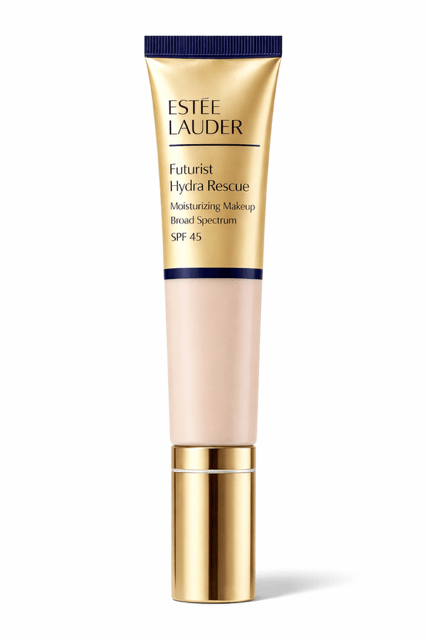
A radiant-satin foundation texture that maintains light reflection without leaning overly glossy in warmer conditions. The finish sits closer to the skin than many rich luminous formulas, making it especially useful for maintaining a smoother, more balanced-looking base as temperatures rise.
No. 3
How Powder Placement Changes in Heat and Humidity
Powder often behaves differently once heat and humidity begin affecting the surface of the skin throughout the day. Areas that once needed only light setting can start holding more shine, while heavier powder placement can begin emphasizing texture or making the complexion look flatter than intended. In warmer conditions, placement usually becomes more important than the amount itself.
A smoother-looking foundation finish in warm weather often comes from applying powder more selectively rather than setting the entire face evenly. Focusing on areas where foundation tends to shift first — such as around the nose, center of the forehead, or chin — helps preserve more dimension and natural light reflection across the rest of the skin without making the base feel overly matte or heavily layered.
why it matters
Powder affects more than longevity alone. In warm weather, it also changes the way texture, radiance, and movement appear across the skin throughout the day. Too much powder can make foundation look heavier and more noticeable, while too little can allow excess shine to overwhelm the finish more quickly.
a note
Instead of applying powder evenly across the entire face, try concentrating it only where the base tends to lose balance first. Keeping more natural finish around the outer areas of the face often creates a smoother and more dimensional-looking result in warmer conditions.
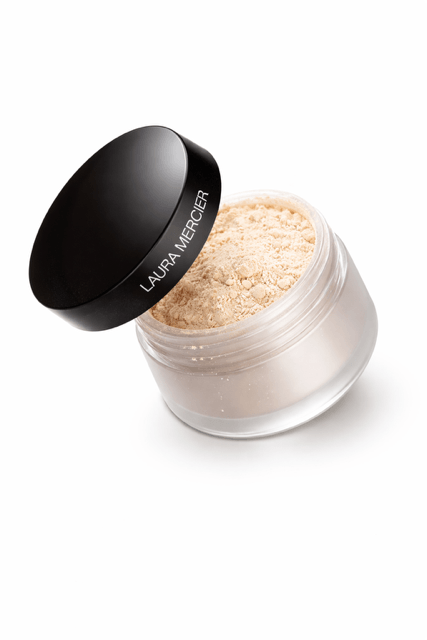
A finely milled loose powder that sets foundation without creating the heavier surface effect that denser powders can sometimes leave behind in warm or humid conditions. The softer finish works especially well for targeted placement when the goal is maintaining smoothness while still allowing some natural radiance to remain visible through the skin.
No. 4
Why Too Many Long-Wear Layers Can Start Looking Heavy
As temperatures rise, layering multiple grip and long-wear products together can start changing the overall texture of the base. Primers, setting sprays, transfer-resistant foundations, and powder all interact differently in warm conditions, especially once heat and humidity begin building across the skin. Instead of extending wear seamlessly, too many longevity-focused layers can sometimes make foundation appear thicker, shinier, or more noticeable throughout the day.
A smoother foundation finish in warm weather often comes from creating more flexibility within the base rather than trying to lock every layer completely into place. When too many gripping textures begin competing together, the finish can lose some of the softness and movement that helps foundation continue looking balanced and skin-like as conditions shift.
why it matters
Long-wear products affect both texture and finish. In warm weather, excessive layering can start making makeup look more dense across the skin, especially around areas where heat, oil, or movement naturally build first. Keeping the base lighter and more adaptable often creates a smoother overall result than relying on multiple heavy-setting steps at once.
A NOTE
Instead of combining several strong grip products together, try choosing one primary longevity step and allowing the rest of the routine to stay lighter around it. A more balanced base often wears more naturally in warm weather than one that feels overly sealed into place.
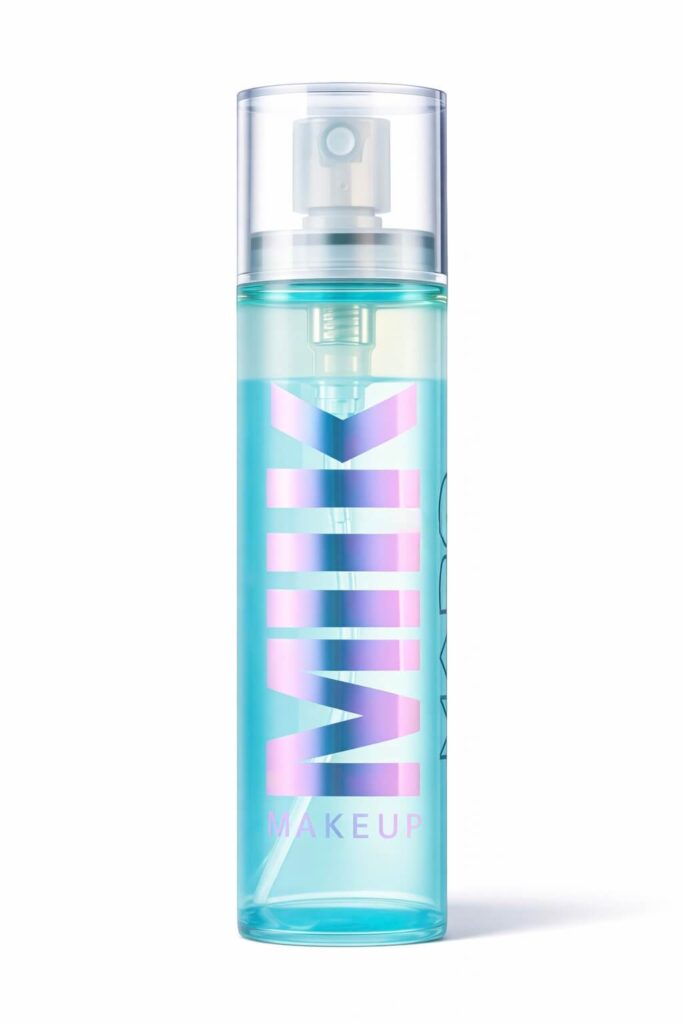
A lightweight setting spray texture that helps refresh the surface of foundation without adding another dense layer over the skin. The flexible finish works especially well in warmer weather routines where maintaining smoothness and movement often looks more natural than an overly fixed or heavily set base.
No. 5
The Small Foundation Adjustments That Create a Smoother Finish in Warm Weather
Warm weather often changes the way foundation wears gradually rather than all at once. A base can begin looking slightly shinier, heavier, or more textured in certain areas while the rest of the complexion still appears balanced. In many cases, maintaining a smoother finish becomes less about fully reapplying makeup and more about making smaller adjustments as conditions shift throughout the day.
This is where lighter complexion textures, softer touch-ups, and more flexible layering tend to make the biggest difference. Blotting excess surface shine, reducing powder buildup, or switching toward lighter base products can help foundation continue looking smoother and more skin-like in warm weather without making the complexion feel overly matte or overly layered by the end of the day.
Why it matters
The way foundation is adjusted throughout the day can affect how natural the overall finish continues looking over time. Heavy touch-ups often add more texture and density to the skin, while smaller recalibrations tend to preserve more softness, dimension, and balance across the complexion.
A NOTE
Instead of adding more coverage each time the base begins shifting, focus first on reducing excess shine or buildup before layering additional product over the skin. Smaller adjustments often create a smoother-looking finish than repeatedly resetting the entire complexion throughout the day.
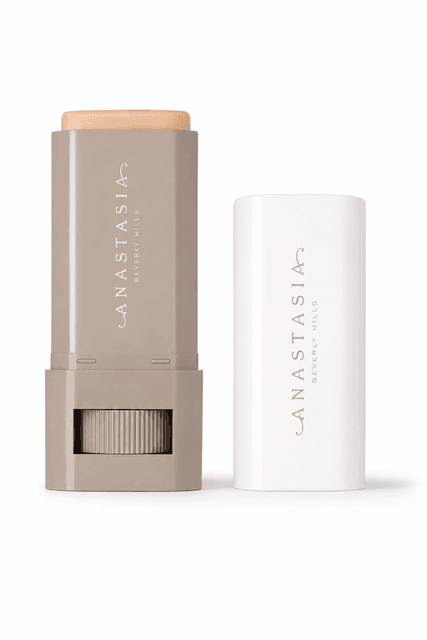
A lighter serum-balm complexion texture that helps rebalance the appearance of the skin without creating the heavier layered effect that fuller coverage touch-ups can sometimes leave behind in warm weather. The flexible radiant finish works especially well for smaller complexion adjustments throughout the day when maintaining smoothness often looks more natural than repeatedly adding more product over the base.
Final Thoughts — Adjusting Your Foundation for a Smoother Finish in Warm Weather
Adjusting your foundation for a smoother finish in warm weather doesn’t require rebuilding your glow-forward makeup routine from the beginning. A smoother-looking finish comes from smaller adjustments in texture, layering, powder placement, and wear as conditions begin shifting throughout the season.
When the base feels lighter, more balanced, and more adaptable to heat and humidity, foundation often looks more natural on the skin — even with fewer products involved.
For a more balanced, refined finish across different conditions, explore the Luster Selection.
Continue Your Glow Path
current stage: Adaptation (I) · Adjust
START HERE
Maintenance (II) · Preserve

EXPLORE ON
Adaptation (I) · Adjust

LEVEL UP
Awareness (III) · Understand

Glow doesn’t end here — it evolves. Keep building it, your way.