
Makeup pilling and foundation separation are often treated as completely different problems, yet both can stem from the way products interact once they are layered together. A base that looks smooth during application can start balling up, shifting, or breaking apart when formulas are incompatible, layered too quickly, or dry down differently across the complexion. These interactions can also influence how evenly light reflects across the skin, affecting whether a finish appears smooth, radiant, or disrupted throughout wear.
While water-based and silicone-based products are frequently blamed, the relationship is often more nuanced than matching ingredients alone. Understanding how formula textures, layer timing, and product compatibility work together can help explain why some makeup combinations blend seamlessly while others seem to resist each other from the start.
*Some links in this edit are affiliate links, which means we may earn a small commission if you choose to shop through them — at no extra cost to you. As an Amazon Associate, we earn from qualifying purchases. This content is for informational purposes only; please consult a professional before making changes to your routine.
UNDERSTANDING MAKEUP PILLING AND SEPARATION
- Water-based and silicone-based formulas don’t automatically conflict
- Formula texture often matters more than a single ingredient category
- Layer timing can affect how products grip, spread, and dry together
- Pilling and separation are related but occur for different reasons
- Product compatibility depends on how formulas behave together once layered
GLOW PATH STAGE
Awareness (III) · Understand
No. 1
Why Makeup Pills Before It Separates
Makeup pilling and foundation separation are often grouped together, but they aren’t the same thing. While both can make a base appear uneven or disrupted, they can also change the way the surface of the skin reflects light, makin a finish appear less smooth and luminous.
Pilling happens when products begin rolling into small particles across the surface of the skin instead of blending smoothly together. This often occurs during application as layers are rubbed, pressed, or moved across one another before they have time to fully settle. Separation typically happens later, when products that initially appeared smooth begin pulling apart, shifting, or wearing unevenly across the complexion.
Why it matters
Understanding the difference between pilling and separation helps identify where compatibility issues occur. A base that pills is often reacting to the way products are interacting during application, while separation is more commonly linked to how these layers continue behaving together once they have been applied and worn throughout the day.
A NOTE
If makeup pills before it has a chance to wear, try focusing on the layers underneath rather than the foundation itself. Lighter complexion textures can make product interactions easier to evaluate.
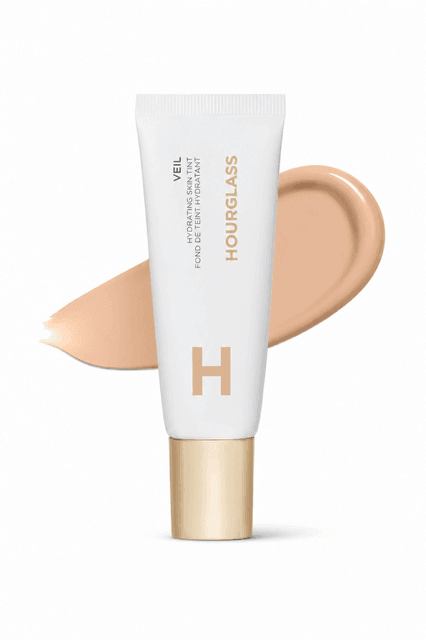
Formulated with a lightweight water-in-silicone emulsion, this skin tint combines hydrating ingredients with a flexible silicone network that helps the formula spread evenly across the complexion. The fluid texture remains thin as it sets, maintaining movement across the skin without creating heavier surface buildup that sometimes contributes to pilling during application.
No. 2
Why Formula Texture Matters More Than Individual Ingredients
Water-based and silicone-based and silicone-based formulas are often treated as opposing categories, but ingredient labels rarely tell the full story. Most modern complexion products contain a combination of water, silicone, emollient, and texture-enhancing ingredients working together within the same formula. As a result, compatibility often depends less son a single ingredient and more on how the product behaves once applied.
This is why two different products labeled “water-based” can still pill together. Texture, spreadability, drying time all influence how products interact once they are layered across the complexion. In many cases, the way a formula feels and settles on the skin reveals more about compatibility than whetehr silicone appears high on an ingredient list. Texture also influences the visual finish of the base, including how softly light diffuses across the complexion once products have settled.
why it matters
Ingredient categories can provide useful context, but they don’t always predict how products will perform together. Focusing only on whether a formula is water-based or silicone-based can overlook the texture and structural differences that often play a larger role in how a base wears throughout the day.
A NOTE
If two products consistently resist each other, pay attention to how they feel during application, rather than relying on ingredients alone.Texture often reveals compatibility more quickly than category.

Combining moisturizer and primer textures within a single formula, this cult-favorite base contains shea butter alongside vitamin B, C, and E to create a rich yet smooth layer beneath makeup. The creamy texture helps foundation spread more evenly across the skin while creating a cushioned surface that feels less prone to dragging during application.
No. 3
Understanding Water-Based and Silicone-Based Formulas
When it comes to water vs silicone-based formulas, the difference comes down to how a formula is structured. Water-based products often feel lighter, absorb more quickly, and create thinner layers across the skin. Silicone-rich formulas typically spread more smoothly across the surface and can create a soft, blurring effect as they set. That different in surface texture can subtly influence whether a finish appears more diffused, reflective, or naturally radiant. Neither approach is inherently better or more compatible than the other. What matters is how each formula settles, dries, and interacts with the layers surrounding it.
This is why two products can contain similar ingredients yet behave very differently once applied. Formula structure influences everything from texture and spreadability to how products grip, move, and wear. Ingredient categories may offer a starting point, but they rarely tell the complete story on their own.
why it matters
Water-based and silicone-based labels are often treated as definitive answers when troubleshooting makeup issues. In reality, they are only one piece of a much larger picture. Understanding how formulas are built helps explain why compatibility is often determined by overall composition rather than a single ingredient group.
a note
If you’re comparing products, look at how they feel on the skin as much as how they’re categorized. Texture, slip, and dry-down often reveal more about compatibility than a label alone.
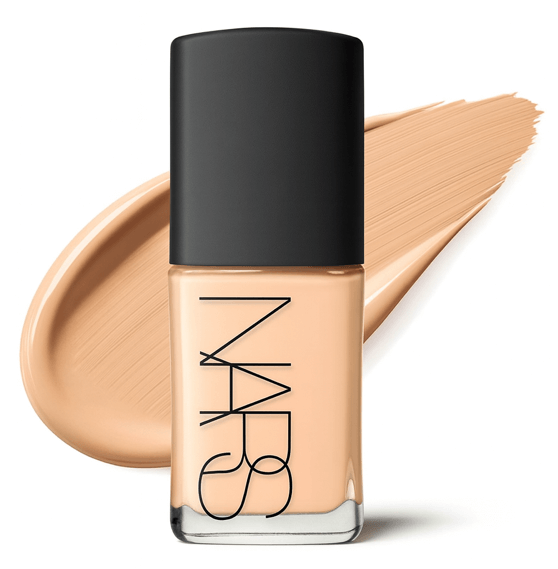
Combining skincare-inspired ingredients with a lightweight complexion formula, this foundation contains smoothing silicones that help create a seamless finish across the skin. The fluid texture spreads easily, dries down evenly, and sits comfortably between a natural and radiant finish without feeling overly emollient or heavily matte.
No. 4
Why Makeup Pills Even When the Products Are Compatible
Even compatible products can begin pilling or separating when layers are applied too quickly. As skincare, primer, foundation, and complexion products are layered together, each formula requires time to settle, form a film, or partially dry down before the next product is introduced. When that process is interrupted, products may begin shifting, lifting, or rolling against one another rather than forming a smooth, cohesive base.
This is especially common when multiple hydrating, gripping, or silicone-rich layers are stacked together in rapid succession. A formula that has not fully settled can continue moving underneath the surface, creating friction as additional products are applied. In these instances, the issue may not stem from the formulas themselves but from how they interact during application. Even small disruption during layering can affect the uniformity of the finish, making radiance appear less consistent across the skin.
why it matters
Product compatibility is only one part of the equation. Even well-formulated products can behave unpredictably when layers are rushed, overworked, or applied before the previous step has had a chance to settle into place.
A NOTE
If products tend to pill despite working well individually, pay attention to how quickly each layer is being applied. Primers, in particular, often benefit from a little time to settle before foundation is layered on top.
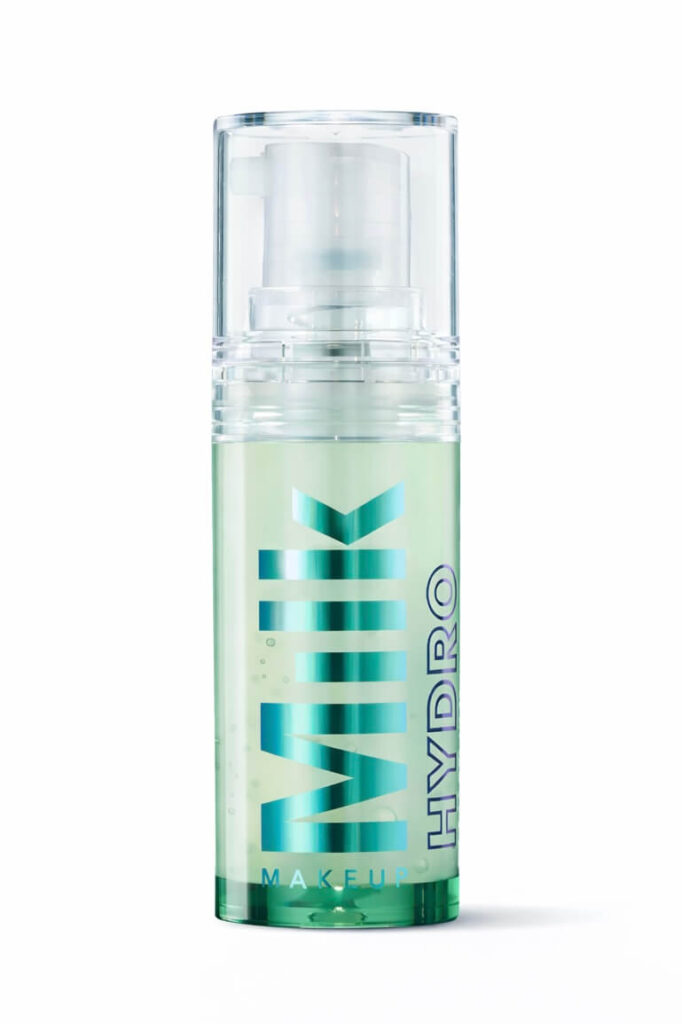
This gel primer combines blue agave extract, hyaluronic acid, niacinamide, and hemp seed extract within a lightweight water-based formula designed to grip makeup as it sets. It creates a slightly tacky surface designed to hold foundation in place, which is why application timing can influence how smoothly the next layer sits across the skin.
No. 5
How to Build a Base That Layers More Seamlessly
A base that layers well is rarely the result of a single product. More often, it comes from the way each step interacts with the next. Skincare, primer, foundation, and finishing products all contribute to the overall structure of the base, which means compatibility depends on the combined behavior of the routine rather than any one formula in isolation.
This is why troubleshooting pilling or separation can sometimes feel inconsistent. A foundation may perform beautifully with one primer yet struggle with another, while the same products may behave differently depending on how much product is applied or how much time passes between layers. When complexion products share similar textures, settle evenly, and build gradually across the skin, the entire base tends to move cohesively throughout wear. The result is often a smoother-looking finish with more consistent light reflection across the complexion, allowing radiance to appear more even throughout the complexion.
Why it matters
Product compatibility is often cumulative. The way layers spread, settle, and interact with one another can influence how smoothly makeup wears long after application is complete. Looking at your glow-forward routine as a whole often provides more insight than evaluating individual products separately.
A NOTE
When building a base, focus on how each layer works with the one before it. Finishing products are often more effective when the layers underneath already feel balanced and settled.
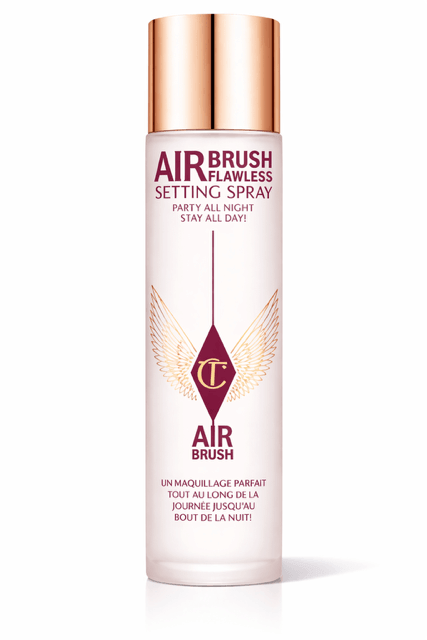
A long-wearing setting spray infused with hydrating aloe vera and Japanese green tea to help makeup stay fresh while keeping skin comfortable throughout the day. The ultra-fine mist dries down quickly without feeling overly wet or sticky, while allowing textures underneath to remain visible rather than heavily sealed beneath the surface.
Part of the Luster Selection
Final Thoughts — Why Your Makeup Pills or Separates: Understanding Water-Based and Silicone-Based Formulas
Water-based and silicone-based formulas can influence how products interact, but they are rarely the entire story. Texture, formula structure, application timing, and layer compatibility all play a role in how a base comes together once it reaches the skin.
Understanding these interactions can make it easier to identify why makeup pills or separates — and why some product combinations create a smoother, more radiant finsih while others never quite settle into place.
For a more balanced, refined finish across different conditions, explore the Luster Selection.
Continue Your Glow Path
current stage: Awareness (III) · Understand
START HERE
Adaptation (I) · Adjust

EXPLORE ON
Balance (II) · Stabilize

LEVEL UP
Enhancement (II) · Refine
Glow doesn’t end here — it evolves. Keep building it, your way.