
Skincare has no shortage of product categories — and the difference between them aren’t always as clear as their labels might suggest. Some, like cleansers, moisturizers, and sunscreen are foundational; others are optional, and certain categories overlap more than beauty terminology might have you believe.
This Glow Glossary Guide defines the major types of skincare products, clarifies where they differ, and gives you the foundation to understand what each can contribute as you work toward the skin you want to see.
*Some links in this edit are affiliate links, which means we may earn a small commission if you choose to shop through them — at no extra cost to you. As an Amazon Associate, we earn from qualifying purchases. This content is for informational purposes only; please consult a professional before making changes to your routine.
GLOW PATH STAGE
Awareness (I) · Discover
No. 1
Cleansers: What They Are and Why They Matter
A well-formulated cleanser doesn’t need bells and whistles — it needs to cleanse effectively without leaving skin feeling stripped. It’s the quiet start of a glow-forward routine, removing sunscreen, makeup, excess oil, and daily buildup so skin is ready for whatever comes next. Good cleansing isn’t about that squeaky-clean feeling; it’s about leaving skin clean and comfortable.
WHAT TO KNOW
The right cleanser removes sunscreen, makeup, excess oil, and buildup while minimizing unnecessary dryness or irritation. Choosing a cleanser suited to your skin and routine can help preserve comfort and support the skin barrier — which is why cleansing earns its foundational place in a well-built routine.
A NOTE
Double cleansing can be useful for removing stubborn sunscreen, makeup, or heavier buildup, but it isn’t a requirement every night. In the morning, some skin may benefit from a gentle cleanse, while others may prefer simply rinsing with water. Let your skin — and what you applied to it — guide how much cleansing you need.
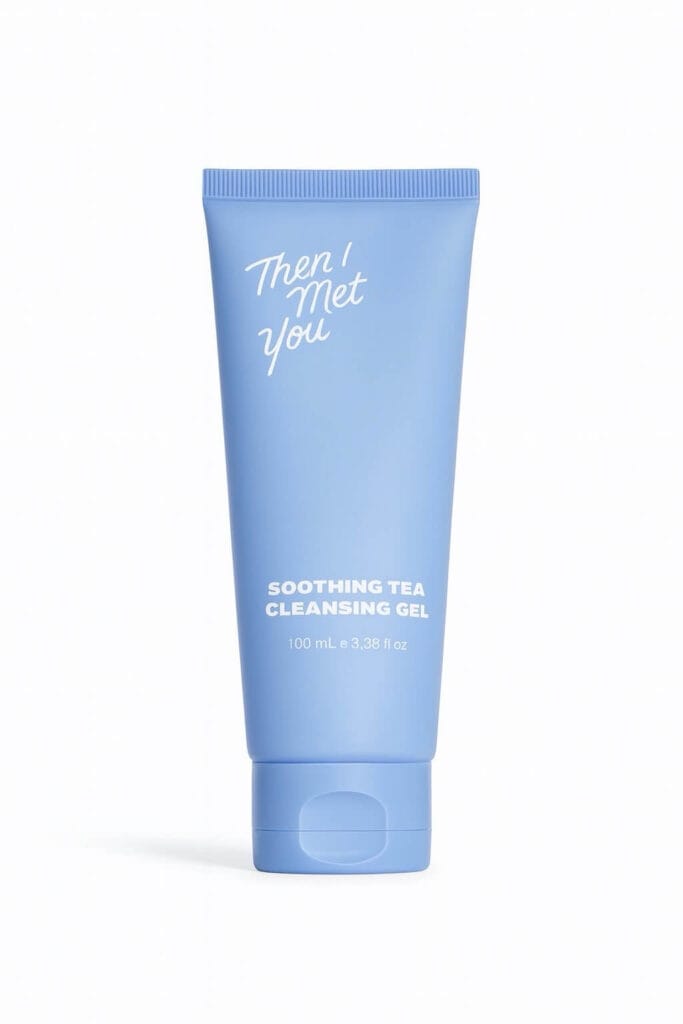
A silky, softly foaming gel infused with fermented green tea, licorice root, and PHA. Its cushiony texture makes cleansing feel less utilitarian, while the formula removes daily buildup without leaving skin feeling tight or stripped. We like it for the way it pairs an effective cleanse with a soft, comfortable finish — an elegant first step for routines that prioritize both clarity and barrier-conscious care.
No. 2
Toners and Essences: What They Are and How They Differ
Toners and essences can serve different roles depending on their formula. A hydrating toner can add a lightweight layer of moisture after cleansing, while an essence often delivers hydration and targeted ingredients in a fluid, layerable texture. Neither is essential to every routine — but thoughtfully chosen, they can add comfort, hydration, or targeted support between cleansing and treatment.
WHAT TO KNOW
Toners and essences aren’t prerequisites for healthy glowing skin, but they can be useful when your routine calls for an extra layer of hydration, comfort, or targeted ingredients. Hydrating formulas can help skin feel more comfortable after cleansing, while treatment-focused options may address specific concerns depending on their ingredients. The key is choosing a formula that adds something your routine actually needs rather than layering for layering’s sake.
A NOTE
For hydrating toners and essences, pressing the product in with clean palms is a simple, low-waste option that avoids the friction of a cotton pad. Some formulas — particularly exfoliating toners — may have different application directions, so follow the product’s instructions when in doubt.
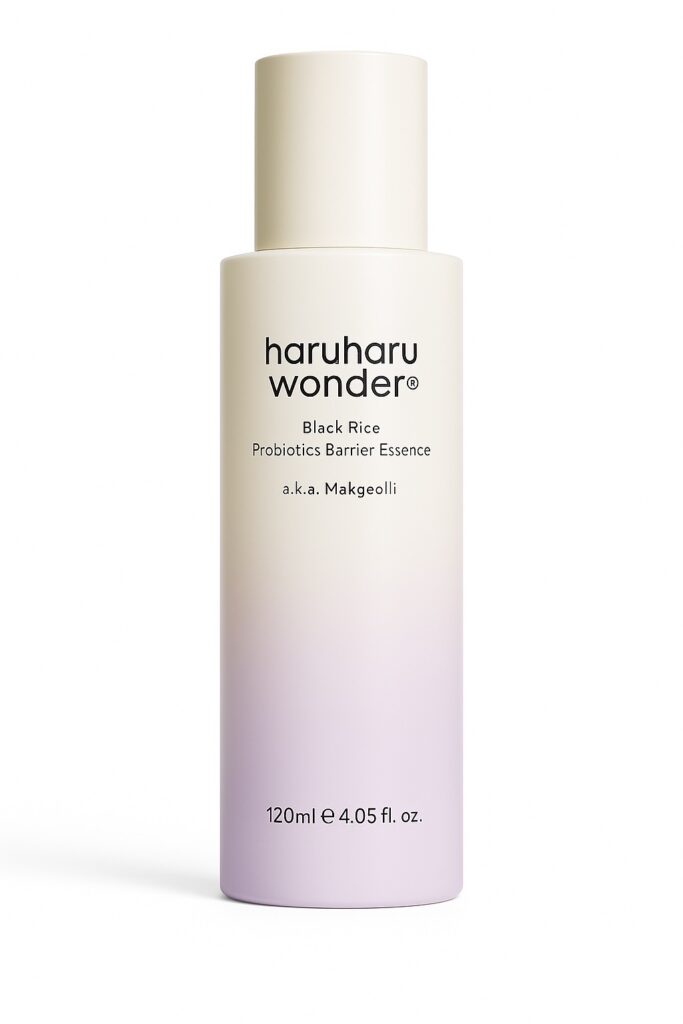
A milky, skin-cushioning essence formulated with fermented black rice and ceramides, with a fluid texture that slips easily between cleansing and treatment. It adds a comfortable layer of hydration without making hte routine feel overloaded. We especially like it for routines craving moisture and softness without the weight of another cream.
No. 3
Serums and Ampoules: How Targeted Treatments Fit Into Your Glow Routine
Serums and ampoules are lightweight treatment products designed to deliver ingredients for specific skin concerns, from hydration and uneven tone to fine lines and blemishes. The distinction between the two isn’t standardized: serums span a wide range of formulas and textures, while products labeled ampoules are often positioned as more focused or intensive treatments. What matters most is the formula itself — and whether its ingredients address what your skin actually needs.
WHAT TO KNOW
Serums can be one of the most targeted parts of a routine because they allow you to choose ingredients around a specific concern. A hydrating serum may add humectants such as hyaluronic acid or glycerin, while other formulas may feature ingredients such as vitamin C, niacinamide, peptides, or retinoids. You don’t need multiple serums — or a serum at all — for a complete routine. If you use one, choose it for a clear purpose and consider how its active ingredients fit with the rest of your glow-focused regimen.
A NOTE
If you’re layering multiple treatment products, texture can be a useful guide — lighter formulas generally go before richer ones — but follow each product’s directions first. More isn’t necessarily better and combining too many active ingredients can increase the risk of irritation without improving your results.
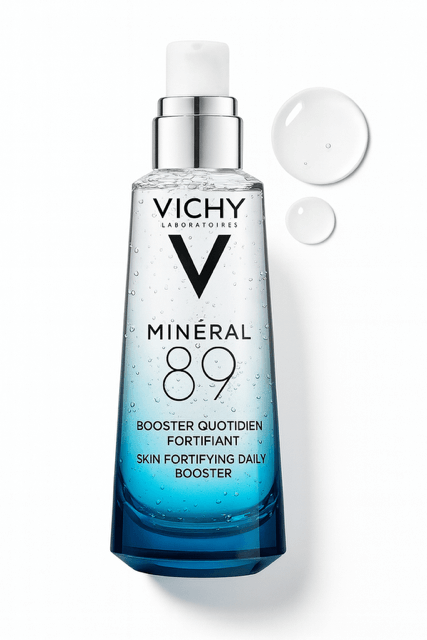
A lightweight water-gel serum formulated with Vichy thermal water and hyaluronic acid. Its fluid texture layers easily beneath moisturizer and sunscreen, making it a straightforward option for adding hydration without much weight. We especially like it for routines that need more moisture but don’t need another rich layer.
No. 4
Moisturizers, Night Creams, and Face Oils: Finding Your Moisture Layer
Moisturizers help reduce water loss from the skin and can support a comfortable, healthy skin barrier. They range from lightweight gels and lotions to richer creams, so the right texture depends on your skin, climate, and the rest of your glow routine. Night creams are typically richer moisturizers designed for evening use, while face oils can add emollience and softness for skin that benefits from an extra lipid-rich layer. You may use one of these — or combine them when it makes sense — but a three-step moisture routine isn’t necessary.
WHAT TO KNOW
A good moisturizer does more than make skin feel soft. Depending on its formulation, it can combine humectants that attract water, emollients that smooth and soften, and occlusive ingredients that help reduce water loss. The ideal formula is the one that gives your skin enough support without feeling heavier than you want. Dry skin may prefer a richer cream, while oilier or humid-weather routines may call for something lighter.
A NOTE
Face oil is optional. If you use one, it can generally be applied after moisturizer as a finishing layer, although product directions should take priority. If your moisturizer already leaves your skin comfortable, there’s no need to add oil simply because it appears in a routine.
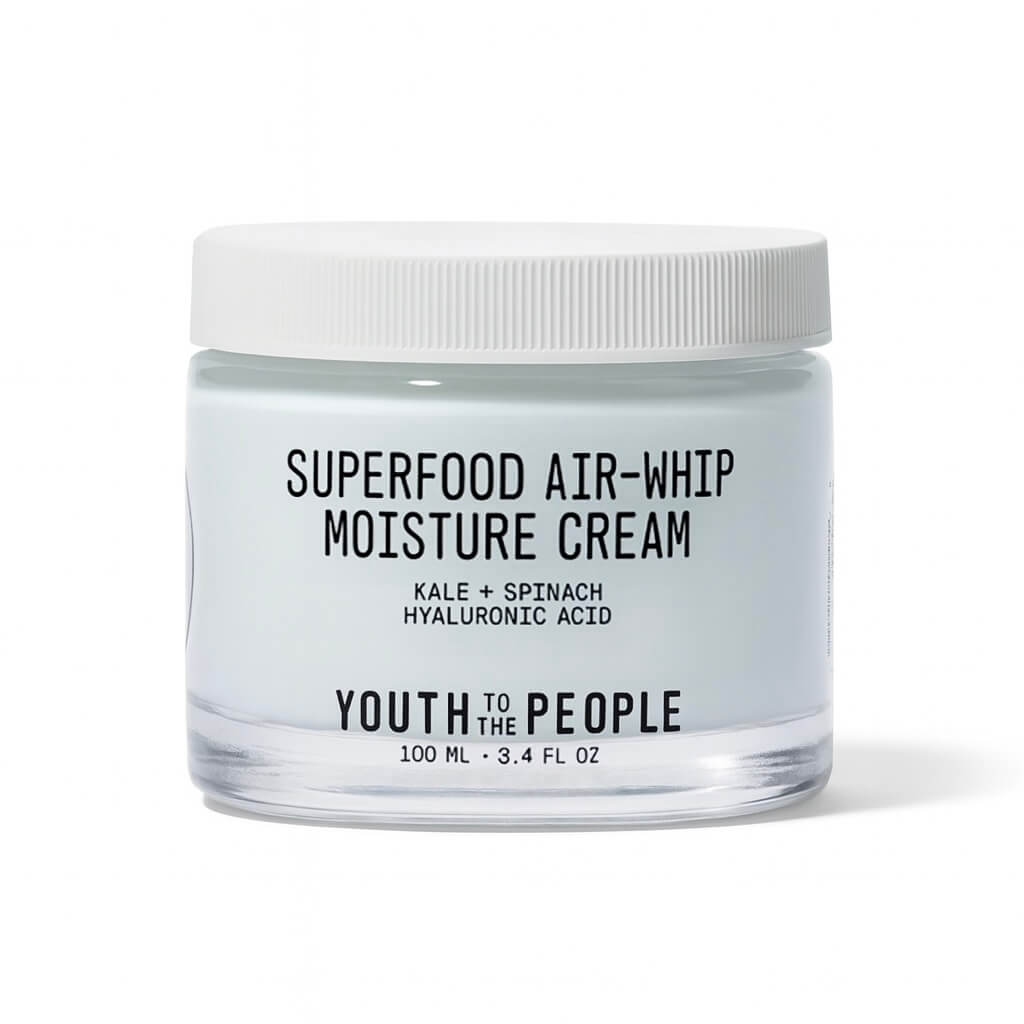
A lightweight gel-cream with a fresh, weightless finish that makes it easy to layer with serums and sunscreens. Its lighter texture may appeal to combination or oilier skin, warm-weather routines, or anyone who dislikes the feeling of a richer cream. For drier skin, it may work better alongside — or be replaced by — a more substantial moisturizer depending on individual needs.
No. 5
Sunscreen: Why SPF Belongs in Every Morning Routine
Sunscreen is the final skincare step in your morning routine. Daily broad-spectrum sunscreen helps protect against sunburn and cumulative UV damage, including changes associated with premature skin aging. Look for a formula you’re comfortable applying generously and consistently — the best sunscreen for your routine is the one you’ll actually use as directed.
WHAT TO kNOW
UV exposure accumulates over time, and protection matters whether or not your routine includes serums, oils, or other treatments. Consistent sunscreen use is especially important when using skincare ingredients or treatments that can make skin more sensitive to the sun.
A NOTE
Apply sunscreen generously to exposed skin before going outdoors. Reapply as needed, and after swimming or sweating according to the product’s directions. Sunscreen works best as part of a broader sun-protection strategy that can also include shade, long clothing, hats, and sunglasses.
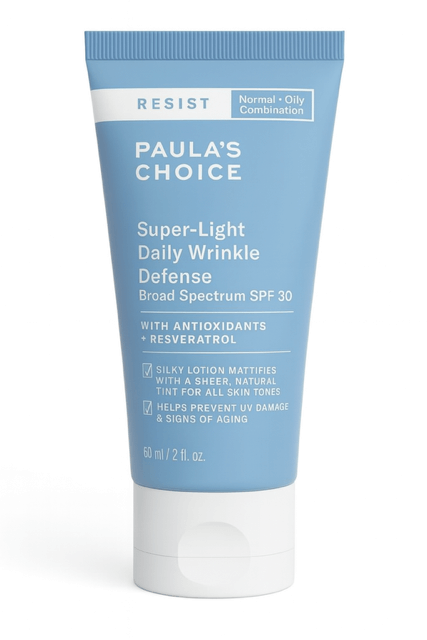
A tinted mineral sunscreen with a lightweight, semi-matte finish designed to sit comfortably under makeup or on its own. The tint can help offset the visible white cast that some mineral formulas leave behind, while the lighter texture makes it a practical option for daily wear. As with any sunscreen, the right fit depends on whether you can apply the recommended amount comfortably and consistently.
Final Thoughts — From Cleansers to SPF: The Glow Glossary Guide to Skincare Products Behind Your Routine
Skincare may come with an ever-growing terminology, but understanding the major product categories makes the landscape far less complicated. Knowing what each product is designed to do, where categories overlap, and which are foundational versus optional gives you a clearer starting point — and the knowledge to build a routine that’s effective, manageable, and entirely your own.
Explore the Luster Selection for thoughtfully chosen products that support every stage of your glow journey.
Continue Your Glow Path
current stage: Awareness (I) · Discover
START HERE
Awareness (I) · Discover
EXPLORE ON
Awareness (III) · Understand
LEVEL UP
Balance (II) · Stabilize

Glow doesn’t end here — it evolves. Keep building it, your way.