
Applying great skincare products isn’t always enough to see your best results. The order you layer them can influence how well each step absorbs, supports your skin, and works alongside the rest of your glow routine. While no routine needs to be complicated, understanding the principles behind skincare layering can help you get more from the products you already use.
In this article, you’ll learn what skincare layering really means, why product order matters, the most common mistakes to avoid, and how to build a routine that supports healthier, more radiant-looking skin, without adding unnecessary steps.
*Some links in this edit are affiliate links, which means we may earn a small commission if you choose to shop through them — at no extra cost to you. As an Amazon Associate, we earn from qualifying purchases. This content is for informational purposes only; please consult a professional before making changes to your routine.
HOW TO LAYER SKINCARE PRODUCTS
- Start with lightweight, water-based products before richer creams and oils
- Apply treatment products before protective layers, including moisturizers and sunscreens
- Finish with your richest or most protective products, depending on whether it’s morning or night
- Give each layer a moment to settle before applying the next product
- Keep your routine purposeful, choosing products that complement one another instead of adding unnecessary steps
GLOW PATH STAGE
Awareness (III) · understand
No. 1
What Skincare Layering Really Means for Healthier-Looking Skin
Skincare layering is the practice of applying products in a thoughtful sequence so each formula has the opportunity to perform as intended. It’s less about the number of products in your routine and more about understanding where each one belongs. When every step has a clear purpose, your glow-forward routine feels more intentional, balanced, and easier to maintain.
While there isn’t a single routine that works for everyone, most skincare follows the same general principle: lighter, water-based products are applied before richer creams and protective finishing layers. Understanding this foundation makes it easier to build a routine that supports healthier, more radiant-looking skin without adding unnecessary complexity.
Why it matters
Many skincare products are designed to complement one another, but applying them in the wrong sequence can make a routine feel heavier, less comfortable, or more confusing than it needs to be. Learning the principles behind layering helps you understand why products are applied in a certain order, not just which one comes first.
A NOTE
If you’re choosing a product for the first layering step, look for a lightweight, hydrating formula that absorbs comfortably without leaving a heavy or sticky finish.
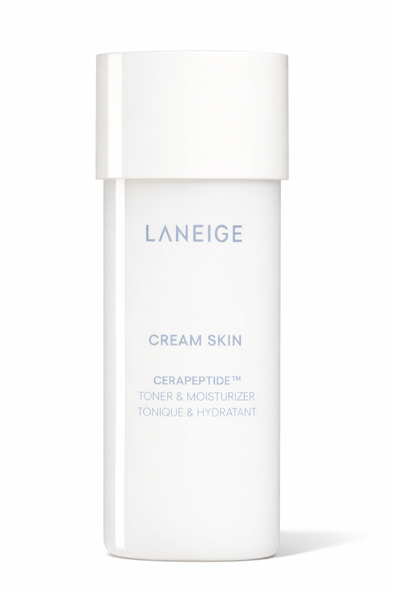
This milky formula combines the lightweight feel of a toner with the comforting hydration of a moisturizer, amking it an excellent example of an early layering step. The ceramide and peptide-rich formula helps replenish moisture after cleansing while creating a soft, cushioned base for the serums and creams that follow. Rather than overwhelming the routine, it demonstrates how a thoughtfully chosen first layer can support the rest of your skincare without adding unnecessary weight.
No. 2
Why Product Order Shapes the Way Your Skin Looks and Feels
The order in which you apply your skincare products isn’t just about following a routine — it’s about giving each formula the best opportunity to do its job. Lightweight products are typically designed to absorb before richer creams, while heavier formulas help lock in moisture and protect the surface of the skin. When these layers are applied thoughtfully, each step complements the next instead of competing with it.
Product order also supports your skin barrier by helping maintain a routine that’s balanced rather than overwhelming. Applying too many rich products too early or layering incompatible textures can leave skin feeling greasy, congested, or weighed down instead of comfortable and refreshed.
Why it matters
Layering skincare products correctly isn’t about making your glow routine more complicated, it’s about making every step more intentional. Understanding why products are applied in a certain sequence helps you adapt your routine with confidence instead of simply memorizing an order.
A NOTE
If your glow-forward routine includes multiple serums or treatments, choose products with lightweight textures that layer comfortably without pilling or leaving a heavy finish.
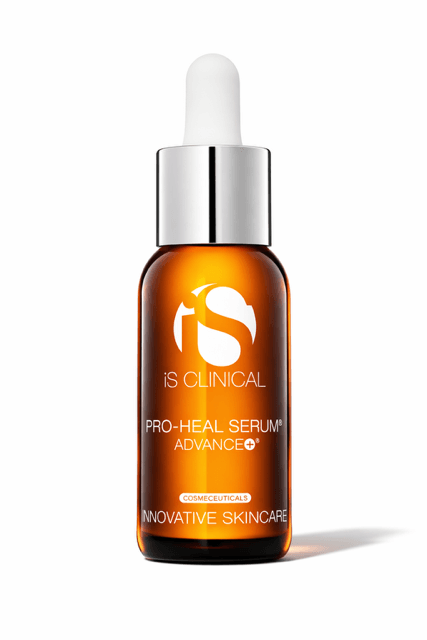
This serum’s lightweight texture absorbs quickly, making it easy to layer beneath moisturizers and sunscreens without feeling heavy, The antioxidant rich formula combines vitamin C with soothing botanical ingredients in a way that fits naturally into both morning and evening routines, illustrating how thinner treatments are designed to be applied before richer finishing layers.
No. 3
The Principles Behind a Well-Layered Skincare Routine
Rather than memorizing the order of every skincare product, it helps to understand a few simple layering principles. Most routines become easier to build when you think about what each product is designed to do instead of simply what comes next.
Keep these three principles in mind
- Start with lightweight formulas before moving to richer creams and oils
- Apply treatment products before protective layers so they have direct contact with the skin
- Finish with products that help support the moisture barrier, reducing moisture loss while creating a comfortable finish. During the day, sunscreen is typically the final step, while nighttime routines often end with a moisturizer or facial oil, depending on your skin’s needs.
These guidelines won’t replace every product’s direction, but they provide a simple framework that works across most skincare routines.
Why it matters
When you understand the principles behind layering, it’s easier to adjust your glow routine as your skin’s needs change. Instead of memorizing steps, you’ll know how to confidently incorporate new products while keeping your routine balanced.
A NOTE
A moisturizer doesn’t have to be your richest product — it just needs to be the richest layer in your routine. If your serums leave your skin feeling comfortable, a lightweight gel cream may be all you need to complete your glow-forward routine.
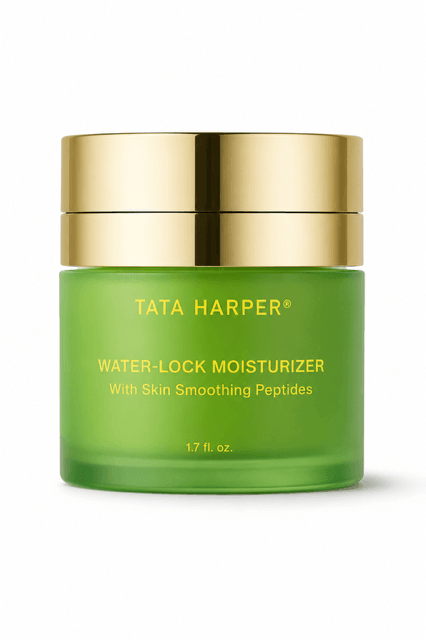
With a lightweight gel-cream texture, this moisturizer is an excellent finishing layer for routines built around hydrating toners and serums. Formulated with orange blossom peptides, pomegranate carbohydrates, and humectant-rich ingredients, it delivers comfortable hydration without masking the feel of the layers underneath. It’s a great example of how the final moisturizing step can complement your routine instead of overwhelming it.
No. 4
The Layering Mistakes That Can Hold Your Routine Back
Even a well-chosen skincare routine can feel less effective if products aren’t layered thoughtfully. Fortunately, most layering mistakes are easy to correct once you understand what to look for.
Watch for these common habits
- Applying rich creams before lightweight treatments, making it harder to layer the rest of your routine completely
- Using too many products at once, which can leave skin feeling heavy instead of balanced
- Rushing through each step before the previous layer has a chance to settle
- Adding products without a clear purpose, creating unnecessary steps that don’t progress your routine
Why it matters
Layering should make your routine feel more intentional — not more complicated. A few thoughtfully chosen products applied in the right order are often easier to maintain than a routine built around unnecessary steps.
A NOTE
If your skincare frequently pills, feels heavy, or leaves a sticky finish, adding another product is rarely the solution. Before expanding your routine, consider whether simplifying or adjusting the order of your existing products creates a more balanced results.
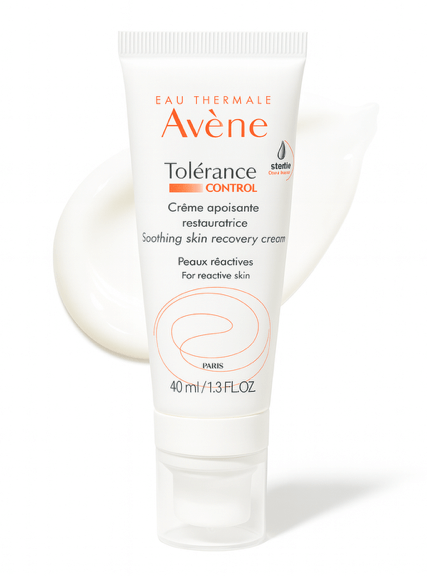
Designed with a minimalist formula, this lightweight moisturizer focuses on essential hydration without unnecessary extras. Its smooth texture layers comfortably over serums and treatments, making it a good example of how a simple finishing step can help keep a routine balanced.
No. 5
Why Morning and Night Skincare Routines Shouldn’t Be Layered the Same Way
Although the principles of skincare layering stay largely the same, your routine should reflect what your skin needs at different times of day. Morning skincare is designed to prepare and protect the skin before daily environmental exposure, while nighttime routines focus on cleansing replenishing, and supporting overnight recovery.
For example, many morning routines include vitamin C before moisturizer and sunscreen, while evening routines may begin with double cleansing to remove sunscreen, makeup, and other impurities before applying treatment products. Understanding the purpose of each routine makes it easier to adjust the products you use without changing the layering principles themselves.
Why it matters
Rather than following two completely different routines, think of morning and nighttime skincare as sharing the same foundation with different finishing goals. Once you understand why certain products belong in one routine instead of the other, layering becomes much easier to adapt.
A NOTE
If you’re building separate morning and evening routines, start by changing the products — not the order. Keeping a familiar layering sequence makes it easier to introduce new treatments without overcomplicating your routine.

As the final step in a morning routine, this lightweight sunscreen layers comfortably over serums and moisturizers without feeling overly heavy. The formula includes niacinamide, hyaluronic acid, and lactic acid alongside broad-spectrum UV protection, making it an excellent example of how the last layer of a morning routine can complement everything applied beforehand.
Final Thoughts — How to Layer Skincare Products: Why Order Matters for Healthier, More Radiant Skin
Learning how to layer skincare products isn’t about building a longer routine — it’s about understanding the purpose behind each step. Once you know why products are applied in a certain order, it becomes much easier to introduce new treatments, adjust your routine with the seasons, and choose products that work well together.
Whether your routine includes just a few essentials or several targeted products, thoughtful layering helps every step feel more intentional. By focusing on the principles behind skincare order rather than memorizing a list of steps, you can build a glow-forward routine that’s easier to maintain and better suited to your skin’s changing needs.
Explore the Luster Selection for thoughtfully chosen products that support every stage of your glow journey.
Continue Your Glow Path
current stage: Awareness (III) · understand
START HERE
Awareness (I) · Discover
EXPLORE ON
Balance (II) · Stabilize

LEVEL UP
Balance (II) · Stabilize
Glow doesn’t end here — it evolves. Keep building it, your way.