Over-exfoliation occurs when exfoliating steps are used more frequently or aggressively than the skin barrier can comfortably accommodate. This imbalance can make routines feel less predictable, especially as signs of inflammation or heightened reactivity begin to appear.
In glow-forward skincare, over-exfoliation is often identified through shifts in routine behavior rather than a single product misstep. These phases commonly overlap with sensitive skin, dehydrated skin, or faster TEWL, which is why routines frequently pivot toward barrier support or barrier repair to re-establish a more stable rhythm.
*Some links in this glossary are affiliate links, which means we may earn a small commission if you choose to shop through them — at no extra cost to you. As an Amazon Associate, we earn from qualifying purchases. Thank you for supporting GlamourTip.
How Over-Exfoliation Fits Into A Skincare Glow Routine
In a glow-forward skincare routine, over-exfoliation changes how layering, pacing, and texture choices need to be arranged once the skin barrier becomes less steady.
- LAYERING — Over-exfoliation often makes layering routines feel less tolerant, especially when multiple exfoliating or fast-absorbing steps are stacked too closely. In these moments, routines tend to pull back toward fewer layers that emphasize barrier support rather than continued surface turnover.
- TEXTURE & FORMAT — When exfoliation outpaces recovery, lightweight gels and fluid textures can move or disappear more quickly. Creams, emulsions, and cushionier formats are often favored to create a more predictable surface when dehydrated skin or faster TEWL enters the picture.
- PAIRING — Pairings typically simplify during over-exfoliation phases, as overlapping exfoliants or conflicting actives become harder to balance. This is where routines often separate exfoliating steps from moisture-focused formats to reduce surface friction and inflammation.
- ROUTINE FIT — Over-exfoliation commonly overlaps with periods of sensitive skin, seasonal transitions, or aggressive routine experimentation. During these phases, glow routines often pause progression and shift toward barrier repair until layering tolerance and texture stability return.
GLOW MOMENT When your routine starts feeling unusually reactive or products seem harder to layer than before, it’s often a sign that exfoliation has outpaced recovery. Stepping back from surface turnover and leaning into barrier support can help your glow routine regain a steadier rhythm while the skin barrier recalibrates.
Why Over-Exfoliation Matters in Glow Routines
Over-exfoliation changes the threshold at which a glow routine can comfortably function. When exfoliating steps move faster than the skin barrier can adapt, routines that once felt balanced may start to feel reactive, compressed, or harder to stabilize.
Recognizing over-exfoliation helps explain when glow routines need to pause surface-driven progression and shift focus toward barrier support and barrier repair instead. This awareness allows routines to reset thoughtfully — reducing inflammation, addressing overlaps with sensitive skin, dehydrated skin, or increased TEWL, and restoring conditions where glow can build again without constant disruption.
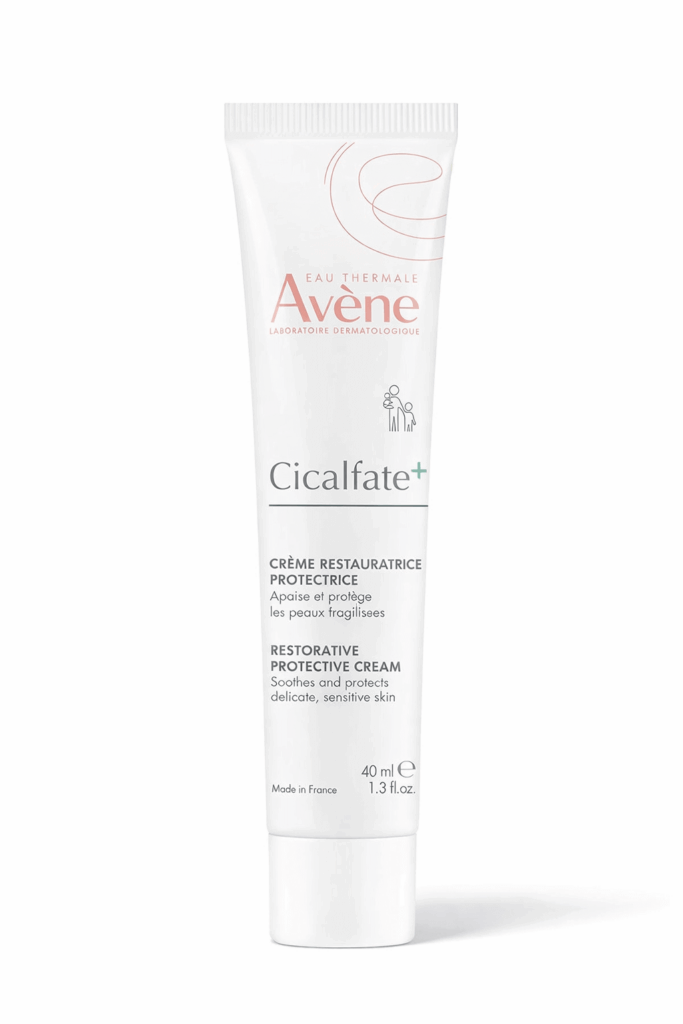
GlamourTip PICK
➢ Avène Cicalfate+ Restorative Protective Cream
A creamy, balm-texture formula that feels rich without heavy occlusion, making it easy to layer over hydrators or lighter moisturizers. Its texture reads as comforting and steady, which fits well on days when over-exfoliation has made layering less predictable. Its cream-like finish integrates smoothly with the end of routines focused on barrier support or repair, giving earlier steps a settled surface to rest beneath. When routines feel reactive after surface turnover, this kind of weight can help the lineup feel more cohesive as the skin barrier regains a calmer rhythm.
FAQ
How can over-exfoliation show up in a glow routine without obvious irritation?
Over-exfoliation doesn’t always appear as visible redness or discomfort — it often shows up through how products layer or wear throughout the day. When the skin barrier is unsettled, routines can feel compressed, with textures absorbing too quickly or becoming harder to balance.
Is over-exfoliation about how strong a product is or how often it’s used?
Over-exfoliation is usually more about frequency and overlap than a single exfoliating step. When exfoliation outpaces recovery, the routine can lose flexibility and become more prone to inflammation, even if individual products are familiar.
How is over-exfoliation connected to dehydrated skin and TEWL?
Over-exfoliation can increase surface water movement, making TEWL more noticeable and contributing to dehydrated skin. This often explains why glow routines start feeling short-lived or less cohesive despite unchanged products.
Why do glow routines often simplify after over-exfoliation?
When over-exfoliation enters the picture, routines often shift toward fewer variables so the surface isn’t constantly adapting. This is why many glow routines temporarily emphasize barrier support or repair until layering tolerance and predictability return.