Sensitive skin describes a surface that reacts more readily to changes in products, environment, or routine pacing, often due to shifts in the skin barrier. This heightened responsiveness is frequently discussed alongside inflammation, not as a condition itself, but as a way to explain why certain textures, formats, or ingredient combinations may feel more noticeable during wear.
In glow-forward skincare, sensitive skin is less about a fixed skin type and more about context — seasonal changes, over-layering, or rapid routine shifts. Approaches centered on barrier support, simpler pairings, and predictable textures are commonly used to keep routines feeling steady and manageable when sensitivity shows up.
*Some links in this glossary are affiliate links, which means we may earn a small commission if you choose to shop through them — at no extra cost to you. As an Amazon Associate, we earn from qualifying purchases. Thank you for supporting GlamourTip.
How Sensitive Skin Fits Into A Skincare Glow Routine
In a glow-forward skincare routine, sensitive skin shapes how textures, exfoliation styles, and formula choices are paced so the skin barrier isn’t overstimulated.
- LAYERING — Layering tends to feel more manageable when routines lean toward fewer, more predictable steps rather than frequent switches. This is where barrier support becomes central, helping routines stay steady when the surface reacts easily.
- TEXTURE & FORMAT — Sensitive skin often responds better to lighter, uniform textures that don’t compete during wear. Creams, gentle emulsions, and simple hydrators are commonly favored over highly active or fast-transforming formats when inflammation becomes part of the conversation.
- PAIRING — Routine pairings frequently reference concepts like PHA or enzyme exfoliants as alternatives to stronger exfoliation categories, simply to reduce friction in the lineup. Labels such as fragrance-free or non-comedogenic also come up here, reflecting a preference for formulas designed to stay unobtrusive alongside other steps.
- ROUTINE FIT — Sensitive skin is often situational, showing up during seasonal changes, post-exfoliation periods, or when routines become overly complex. In these moments, maintaining consistent textures and limiting variables helps the routine feel easier to navigate without constant adjustments.
GLOW MOMENT When a routine starts feeling a bit too loud — multiple textures, frequent switches, or too many formats at once — it’s often a sign that sensitivity is showing up. Pulling back to fewer steps and more predictable layers can help your glow routine feel calmer and easier to maintain while the skin barrier finds its footing again.
Why Sensitive Skin Matters in Glow Routines
Sensitive skin affects how consistently a glow routine holds together, especially when the skin barrier reacts quickly to changes in texture, pacing, or product variety. When sensitivity is present, even well-built routines can feel unpredictable, making layering order and formula compatibility more noticeable.
Understanding sensitive skin helps explain why glow routines sometimes benefit from fewer variables, steadier formats, and an emphasis on barrier support rather than constant experimentation. This awareness makes it easier to maintain a cohesive routine when inflammation enters the picture, without needing to rethink every step.
GlamourTip PICK
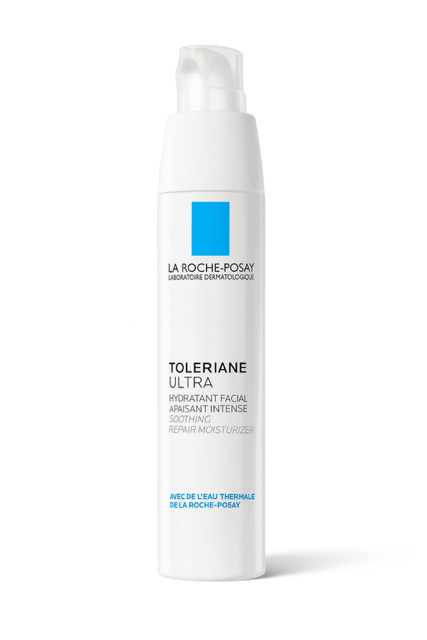
➢ La Roche-Posay Toleriane Dermallergo Ultra Soothing Repair Face Moisturizer
A lightweight, lotion-cream hybrid with a smooth, uniform texture designed to stay unobtrusive during wear. Its pared-back formula and fluid consistency make it easy to layer without competing with other steps in routines where sensitivity is part of the equation. The soft, even finish pairs well with hydrating serums and gentle exfoliation schedules, helping routines stay predictable when the skin barrier reacts more readily to change. This kind of steady, low-friction texture fits naturally into glow routines that prioritize barrier support over constant variation.
FAQ
How does sensitive skin change over time in a glow-focused routine?
Sensitive skin often shows up in phases, shifting as routines evolve, seasons change, or layering becomes more complex. In glow-forward skincare, sensitivity is viewed as a signal to adjust pacing or texture choices so routines can continue moving forward without becoming stalled or reactive.
Is sensitive skin always related to inflammation?
Sensitive skin is frequently discussed alongside inflammation, but the two are not interchangeable. In skincare conversations, inflammation is used to explain why certain routines feel more reactive or unpredictable when sensitivity is present.
How does sensitive skin affect exfoliation choices in a glow routine?
Sensitive skin often shifts exfoliation toward gentler categories like PHA or enzyme exfoliants, which rely on non-abrasive formats and comparatively larger molecular structures. These options are typically integrated to keep routines feeling steady and compatible when the skin barrier reacts more readily to change.
Why are fragrance-free and non-comedogenic labels often mentioned with sensitive skin?
Terms like fragrance-free and non-comedogenic are commonly referenced because they signal formulas designed to stay unobtrusive within a routine. For sensitive skin, these labels help reduce variables when barrier support and consistency matter more than experimentation.