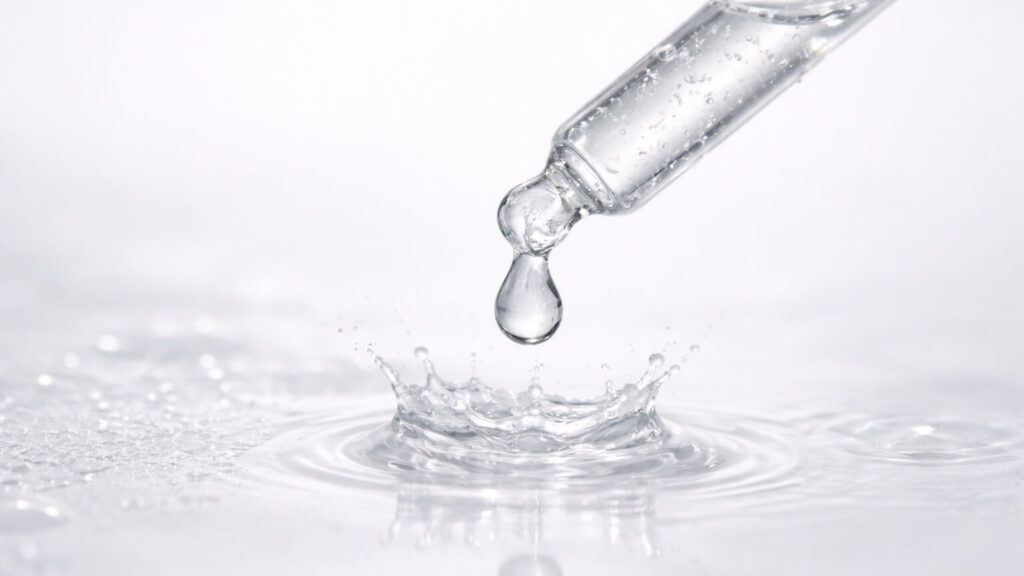
The skin barrier is the outermost layer of the skin that functions like a boundary between your skin and the environment, shaping how water, products, and daily exposure interact at the surface. It’s often described as a structured system of skin cells and lipids that influences how steady and predictable your routine feels from step to step.
When the skin barrier is stable, products tend to layer with more consistency and the surface feels easier to maintain across the day. When it’s less steady, routines can start to feel more reactive, which is why so many glow concepts — like hydration pacing, barrier support, and barrier repair — tie back to this single foundation.
*Some links in this glossary are affiliate links, which means we may earn a small commission if you choose to shop through them — at no extra cost to you. As an Amazon Associate, we earn from qualifying purchases. Thank you for supporting GlamourTip.
How the Skin Barrier Fits Into A Skincare Glow Routine
In a glow-forward skincare routine, the skin barrier determines how reliably products layer, how textures behave during wear, and how consistent the overall routine feels from start to finish.
- LAYERING — When the skin barrier is steady, layered steps tend to sit more evenly and hold their sequence throughout the day. When it’s unsettled — often after over-exfoliation or during periods of higher TEWL — routines usually pivot toward barrier support or repair to restore tolerance.
- TEXTURE & FORMAT — The skin barrier influences whether lightweight hydrators, gel-creams, or richer moisturizers feel more compatible on the surface. Formulas that include structural lipids like ceramides and fatty acids are often used when routines need textures that register as more grounding and cohesive.
- PAIRING — Balanced pairings become more important when dehydrated skin or sensitive skin is present, as mismatched textures can feel more pronounced. Aligning hydrators, emollients, and occlusive-leaning steps around the barrier’s current state helps reduce surface friction and visible inflammation within the routine’s flow.
- ROUTINE FIT — The skin barrier sets the ceiling for how much a routine can carry at any given time. Seasonal shifts, environmental exposure, and product experimentation all influence when skincare glow routines expand and when they need to simplify before progressing again.
GLOW MOMENT When your glow routine suddenly feels less predictable — layers shift, textures register more strongly, or hydration seems harder to hold — it’s often the skin barrier setting the tone. Listening to that signal and easing the routine back into barrier support can help everything else fall back into place.
Why the skin barrier matters in glow routines
The skin barrier is the organizing force behind every glow routine. It determines how much a routine can hold, how often it can shift, and how resilient it feels when new textures or formats are introduced. When the barrier is steady, glow routines move with confidence. When it isn’t, even the most thoughtfully built lineup can start to feel fragile.
Understanding the skin barrier clarifies why glow routines often pause expansion and return to barrier support or repair after periods of over-exfoliation, inflammation, or increased TEWL. This perspective allows glow to be built as a long-term system — not a cycle of constant trial and reset.

GlamourTip PICK
➢ Skinfix Barrier+ Triple Lipid-Peptide Cream
A nutrient-dense, lipid-forward cream with a cushiony, nestling texture that settles evenly over hydrating layers without feeling heavy or waxy. The blend of lipids and peptides contributes to a formula weight that anchors sequences when texture transitions feel less predictable. The cream’s rich, emulsion-like finish integrates seamlessly with gel-serums, milky lotions, and mid-weight moisturizers, creating a steadier surface when routine pacing shifts toward barrier support or repair. This kind of texture complements glow routines that are recalibrating after periods of inflammation or disrupted layering due to changes in the skin barrier.
FAQ
How do you know when your skin barrier needs more attention in a glow routine?
When layering starts to feel less predictable or textures register more strongly than usual, it often signals that the skin barrier has shifted. These moments typically guide glow routines back toward barrier support or barrier repair before expanding again.
How does the skin barrier influence whether a routine needs barrier support or barrier repair?
When the skin barrier is steady, glow routines tend to expand and tolerate more variation. When it becomes unsettled — often after over-exfoliation or increased inflammation — routines usually shift toward barrier support or barrier repair to restore consistency before progressing again.
How is the skin barrier connected to dehydrated skin and TEWL?
The skin barrier influences how water moves at the surface, which is why shifts in TEWL often overlap with dehydrated skin. When this balance changes, glow routines tend to adjust texture weight and layering pace to maintain consistency.
Why do glow routines simplify when the skin barrier feels unsettled?
An unsettled barrier lowers the routine’s tolerance for variation, making complex layering or frequent changes harder to sustain. Simplifying textures and pairings helps the routine stay cohesive until the barrier’s rhythm stabilizes again.