
Let’s be honest—foundation can either make or break your makeup look. When it’s right, it enhances your skin, evens out tone, and gives you that effortless glow. When it’s wrong? It’s cakey, dry, greasy, or just… off.
With so many formulas, finishes, and shades on the market, finding your perfect base can feel overwhelming. The key, is knowing how to choose foundation for your skin type, your tone, and your desired finish.
We’re breaking it all down step-by-step—so you can confidently choose (and apply) that perfect base that blends in and stands out for your skin.

*Some links in this edit are affiliate links, which means we may earn a small commission if you choose to shop through them — at no extra cost to you. As an Amazon Associate, we earn from qualifying purchases. Thank you for supporting GlamourTip.
No. 1
How to Choose Foundation by Your Skin Type
Understanding your skin type is the foundation of, well, your foundation. The wrong formula can exaggerate dryness, amplify shine, or slide off by lunchtime.
choosING foundation By your skin type
- DRY Skin | Look for hydrating, luminous, or dewy formulas. Foundations with added hyaluronic acid, squalane, or serum-like textures can minimize flaking and keep your skin looking fresh. Look for products labeled “moisturizing” or “radiant” and avoid powdery finishes that cling to dry patches.
- OILY Skin | Opt for oil-free, mattifying, or long-wear foundations. These help control shine and keep your base in place without oxidizing or slipping. Look for terms like “shine control” or “natural matte,” and consider pairing with a mattifying primer.
- COMBINATION Skin | You’ll want a flexible, buildable foundation that balances oil control with hydration—usually in a natural or satin finish. Apply a hydrating primer on dry areas and a mattifying one in oily zones, then go in with a medium coverage foundation.
- SENSITIVE Skin | Fragrance-free, non-comedogenic, and dermatologist-tested products are your best friend. Mineral foundations or serum hybrids are often the gentlest.
A NOTE Always patch test new formulas—avoid alcohol-heavy or overly scented products.
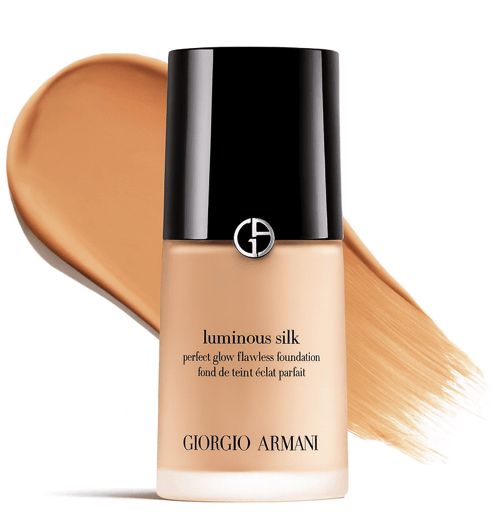
The luster selection | DRY skin
➢ Giorgio Armani Luminous Silk Foundation
In our experience, this glycerin-based liquid behaves more like a second skin that stays flush against the surface instead of separating over dry patches. The medium, buildable coverage uses finely milled pigments to soften the appearance of texture without the typical gripping or dragging on flaky areas. This creates a uniform surface that allows light to reflect evenly across tight or uneven spots.
No. 2
Matching Foundation to Your Undertone
Once you’ve chosen a formula based on skin type, the next step in learning how to choose foundation for your skin type is finding the right undertone. This is what helps your foundation blend in so well it looks like skin—not makeup.
WHAT IS an undertone
Your undertone is the subtle hue beneath your skin’s surface. It doesn’t change with sun exposure and plays a huge role in whether a foundation “matches” or looks slightly off.
Undertone types
- WARM | Hints of yellow, peach, or golden
- COOL | Hints of pink, red, or blue
- NEUTRAL | A balance of warm and cool
HOw to tell your undertone
- VEIN Test | Green veins = warm; blue/purple = cool; both = neutral
- JEWELRY Test | Gold suites warm, silver suits cool; both = neutral
- WHITE vs CREAM Test | You look better in cream = warm; stark white = cool
A NOTE Still unsure? “Neutral” undertones are usually a safe choice—and many brands now offer clear labels for undertone types right on the bottle.
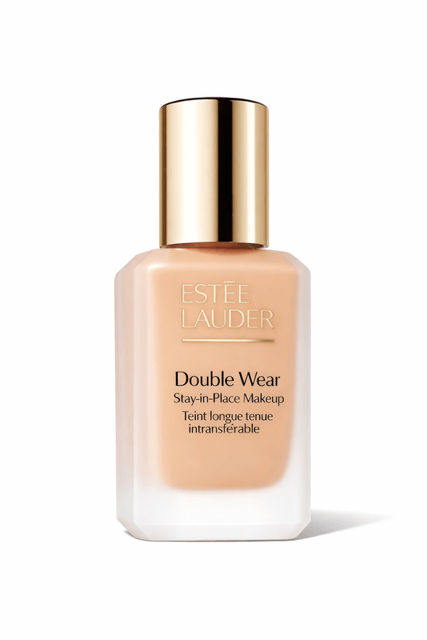
The luster selection | OILY skin
➢ Estée Lauder Double Wear Stay-in-Place Foundation
A long-wearing liquid foundation designed to keep shine in check while maintaining a smooth, polished finish. The lightweight, oil-controlling formula blends evenly over the skin, helping blur the look of pores and uneven tone without feeling heavy. With buildable coverage and a natural matte effect, it’s an ideal choice for oily skin types seeking a fresh, shine-resistant base that stays put from morning to night.
No. 3
Choosing Your Desired Foundation Finish
A huge part of how to choose foundation for your skin type is knowing what kind of finish complements both your skin’s needs and your personal style. Finish refers to how the foundation looks on your skin—matte, dewy, or somewhere in between.
FINISH TYPES
- MATTE | Best for oily or acne-prone skin. Matte foundations absorb excess shine and offer longer wear. They create a velvety, smooth surface and can reduce the appearance of pores. Go for matte if you need all-day wear or live in a humid climate. Just be sure to prep with lightweight moisturizer to avoid flatness.
- DEWY | Perfect for dry or mature skin types. Dewy foundations are typically hydrating and give a fresh, luminous glow. If your skin tends to look dull or flaky, a dewy finish will reflect light and boost radiance without heavy shimmer.
- NATURAL/SATIN | Great for combination or sensitive skin. These finishes offer the best of both worlds: not too matte, not too glowy—just a healthy-skin effect. If you’re learning how to choose foundation for your skin type, satin finishes are a safe, beginner-friendly choice—they work well across most textures and tones.
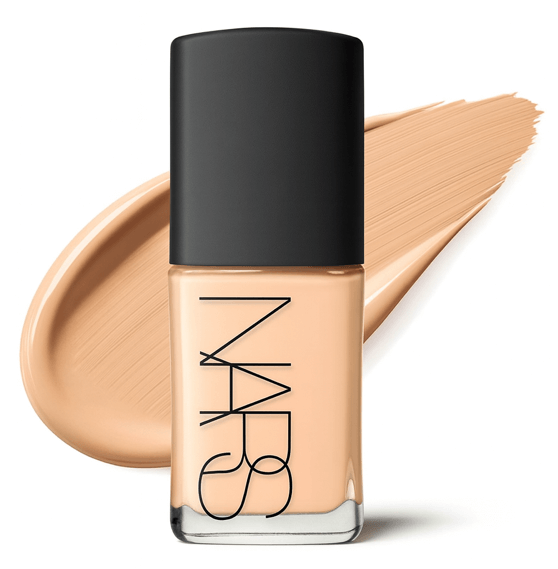
The luster selection | Satin finish
Despite its name, this formula delivers a satin, buildable finish rather than overt shine, making it well suited to combination skin. The lightweight texture blends smoothly across varied zones, maintaining brightness on the cheeks without overwhelming the T-zone. With added vitamin C to support clarity, it enhances natural radiance while keeping coverage controlled and adaptable. The effect is balanced and skin-like, not segmented.
No. 4
Picking Your Foundation Coverage Level
Another key factor in learning how to choose foundation for your skin type is understanding how much coverage you want. This depends on your skin’s needs, your comfort level, and the kind of look you’re going for.
COVERAGE LEVELS
- SHEER/LIGHT | Let your real skin peek through while still evening out tone. Ideal for dry, sensitive, or already-clear skin. Tinted moisturizers, skin tints, and serum foundations often offer the most natural look—perfect if you’re going for a barely-there glow.
- MEDIUM | Great for everyday wear—it balances coverage and breathability. Can cover redness, mild breakouts, or uneven tone without looking heavy. You can build medium coverage with a damp sponge to softer the look and avoid caking.
- FULL | Best for covering acne, hyperpigmentation, or for events where you want a flawless finish. Often paired with long-wear or matte formulas. Even if you’re learning how to choose foundation for your skin type, don’t shy away from full coverage—it’s all about how you apply and set it.
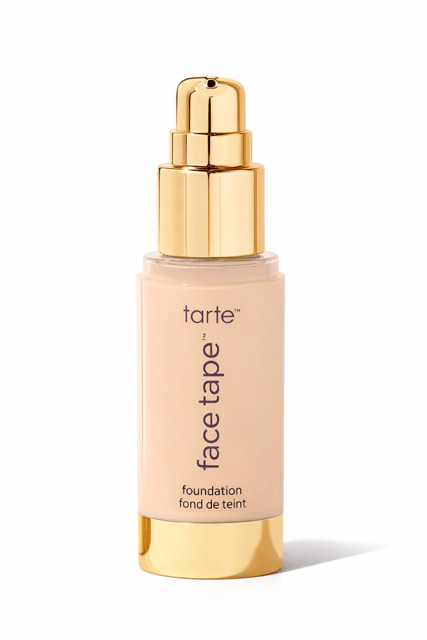
The luster selection | FUll Coverage
A high-coverage foundation designed to create a smooth, perfected-looking base. The creamy formula blends evenly across the skin, delivering full, buildable coverage that helps blur the look of imperfections and uneven tone. Infused with HA and apple extract, it keeps skin feeling comfortable while maintaining a soft matte finish — ideal for those who want a long-lasting complexion with maximum coverage.
No. 5
Applying Foundation For a Seamless Finish
Even once you’ve mastered how to choose foundation for your skin type, application makes all the difference. The right tools and techniques can elevate a $10 foundation—or ruin a $50 one. Here’s how to get the smoothest, most natural-looking results.
Start with skin prep (always)
Clean, moisturized skin gives foundation a smooth canvas to work with. Apply primer suited to your skin type—hydrating for dry skin, mattifying for oily, or blurring for larger pores.
A NOTE | Don’t skip SPF—use a non-greasy sunscreen underneath or choose a foundation with built-in sun protection.
Brushes, Sponges, or Fingers?
- BRUSHES | Great for medium-to-full coverage and buffing product in evenly
- SPONGES | Best for sheer-to-medium coverage, dewy finishes, or blending edges
- FINGERS | Work well for light coverage or cream-based formulas (just tap gently!)
A NOTE | Damp beauty sponges give the most natural finish—and help prevent overapplication, especially for beginners learning how to choose foundation for their skin type.
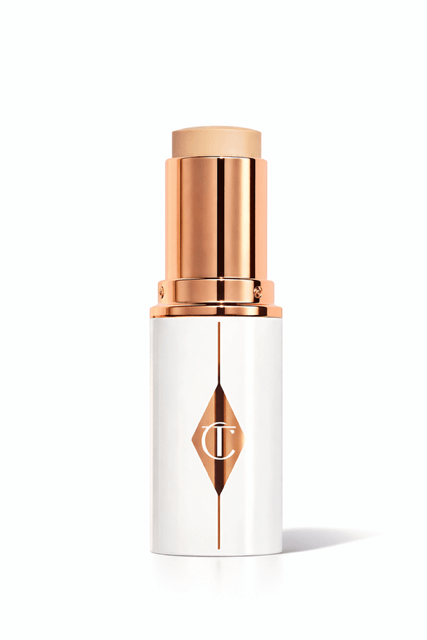
The luster selection | Sheer Glow
➢ Charlotte Tilbury Unreal Skin Tint & Sheer Glow Hydrating Foundation Stick
A lightweight complexion stick designed for a fresh, effortless glow. The creamy formula glides smoothly onto the skin, delivering sheer, skin-enhancing coverage that subtly evens tone while your natural complexion shines through. Infused with hydrating skincare ingredients, it melts in seamlessly to create a soft, radiant finish — perfect for achieving a luminous, barely-there base with minimal effort.
No. 6
Common Foundation Mistakes to Avoid
Even if you’ve figured out how to choose foundation for your skin type, the wrong technique or formula pairing can sabotage your entire look. These are the most common mistakes that can keep your base from blending in like second skin.
1. Choosing the wrong undertone
You might nail the depth but still look “off” if your undertone doesn’t match. Always test in natural light and swatch on our jawline—not your hand.
2. Overlapping (Especially in the Wrong Places)
Caking on foundation to cover a breakout or dry patch often does the opposite—it draws more attention. Build coverage slowly and spot conceal only where needed.
3. Using the Same Shade Year-Round
Your skin tone changes with the seasons. Having a lighter and deeper shade—or a mixing pigment—can help you adjust seamlessly.
4. Skipping Primer or Moisturizer
Foundation doesn’t sit well on unprepped skin. Dryness, oil, or texture will show through if you don’t create the right base first.
5. Not Setting Properly for Your Skin Type
Dry skin might not need setting at all. Oily skin, on the other hand, may benefit from targeted powder in the T-zone or setting spray.
A NOTE The real “foundation mistake?” Believing one product works for everyone. The more you learn about how to choose foundation for your skin type, the easier it gets to find formulas that feel like second skin.
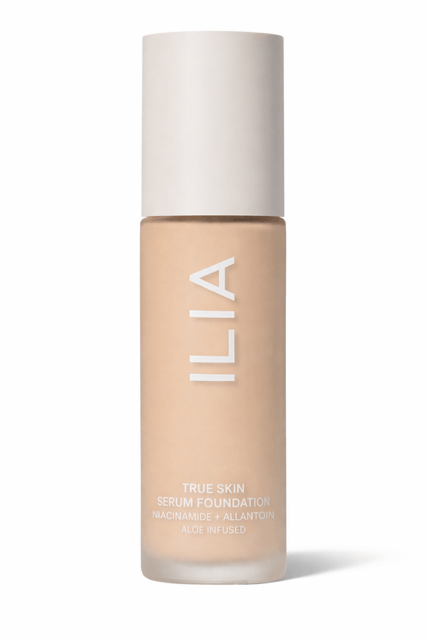
The luster selection | Sensitive skin
➢ ILIA – True Skin Serum Foundation
Formulated with squalane and aloe, this weightless fluid is designed to sit comfortably on the skin without absorbing into reactive areas. The medium, buildable coverage uses a breathable, serum-like texture to even out the appearance of redness without the friction of a heavier cream. By prioritizing a fragrance-free, simple ingredient list, it maintains a uniform finish that leaves the complexion looking calm and balanced.
Final Thoughts — Foundations 101: How to Choose Foundation for Your Skin Type — A Beginner’s Guide That Works
Choosing the right foundation isn’t about perfection—it’s about finding a formula that fits your skin type, your lifestyle, and your glow goals. Not that you know how to choose foundation for your skin type, you’ll spend less time guessing and more time glowing.
Just remember: your skin can change with the seasons, stress, or skincare routine—so don’t be afraid to switch things up. The best foundation in one that works with your skin, not against it.
Continue Your Glow Path
Current Stage: Awareness (I) · Discover

LEVEL UP
Enhancement (I) · Upgrade
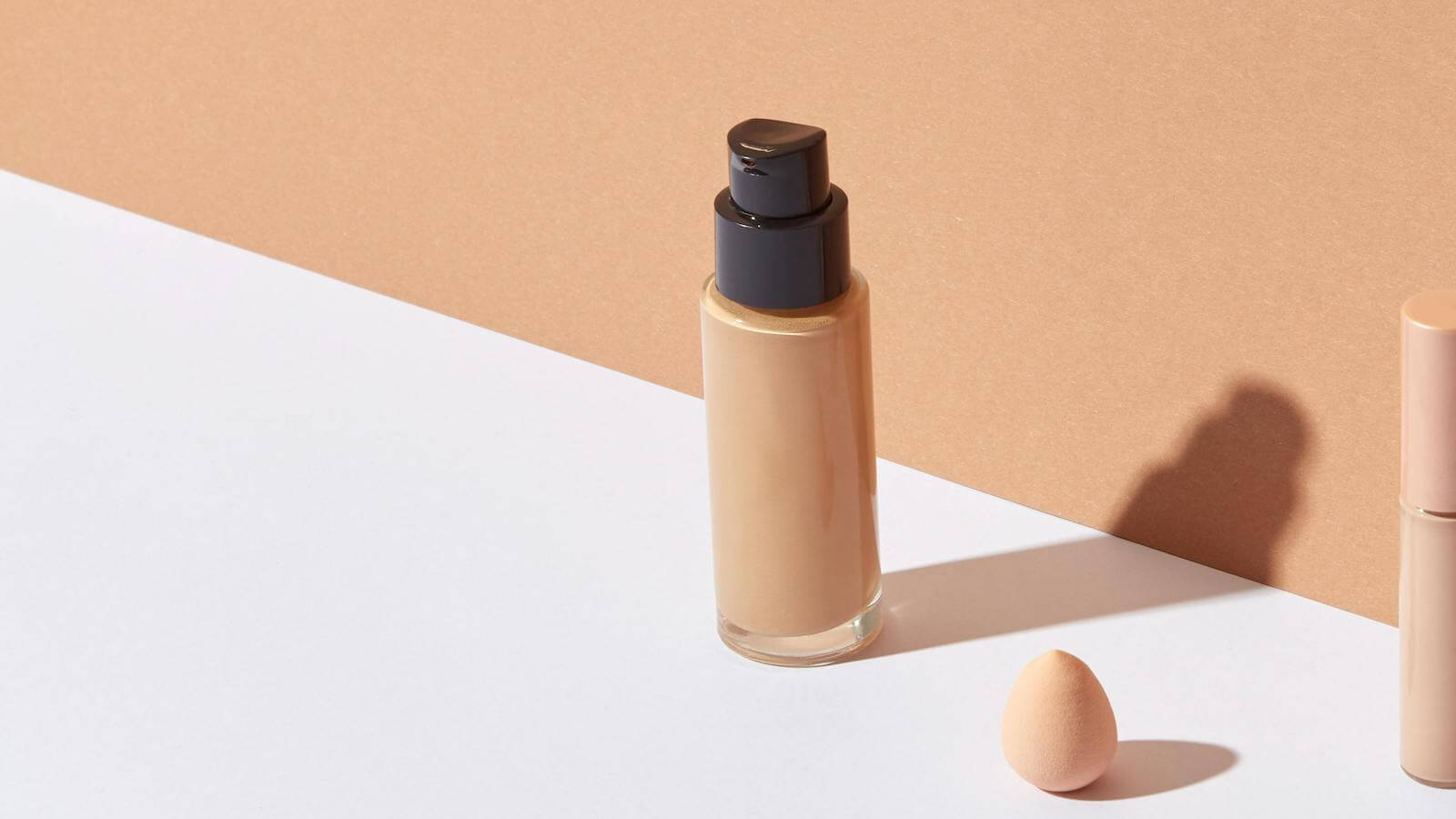
Best Dewy Foundations for Glowing Skin: Upgrading Coverage by Skin Type
Glow doesn’t end here — it evolves. Keep building it, your way.