
Foundation can look smooth in the morning, then uneven by midday. Climate shifts, indoor lighting, long-wear formulas, and the way skin holds hydration all change how base makeup sits across the surface. Sometimes it’s not coverage that feels off — it’s the way light reflects, diffuses, or clings in certain areas.
When that happens, structure matters. Primer isn’t just a prep step — it’s a surface decision within a glow-forward system. At GlamourTip, base products are viewed as layered relationships — hydration, diffusion, foundation finish — working together for balance and refinement.
This guide breaks down hydrating vs pore-blurring primers and how each shapes a smoother finish under foundation. Together, we’ll look at reflection, diffusion, and strategic placement so your base feels polished, balanced, and intentionally refined.
*Some links in this post are affiliate links, which means we may earn a small commission if you choose to shop through them — at no extra cost to you. As an Amazon Associate, we earn from qualifying purchases. Thank you for supporting GlamourTip.
Quick Guide: HYdrating Vs Pore-blurring primers
Hydrating and pore-blurring primers adjust how foundation sits on the surface — one increases bounce and reflection, while the other softens texture through light diffusion.
In Practice:
- Use hydrating primer when skin feels tight, dull, or makeup looks flat
- Use pore-blurring primer when texture or shine disrupts smoothness
- Apply hydration to perimeter areas for flexibility
- Press blurring formulas into the T-zone for diffusion
- Pair with foundation finish to avoid excess slip or heaviness
No. 1
How Primer Changes the Way Light Sits on Foundation
Foundation doesn’t just add coverage — it alters how light moves across the surface.
Primer quietly determines whether light reflects evenly, scatters softly, or catches in areas that weren’t meant to stand out.
Underneath foundation, the surface can either remain flexible or become overly smoothed. Hydrating formulas tend to maintain movement and subtle reflection, while blurring formulas create a diffused effect that softens visible texture. Neither is inherently better — the visual result depends on how light interacts with that layer.
Signs light is sitting unevenly on foundation
- Foundation looks smooth indoors but uneven in natural light
- The center of the face appears flat while the perimeter reflects more ligth
- Fine texture becomes more visible after powder
- A dewy formula turns slick instead of dimensional
- Matte areas look controlled but slightly lifeless
Together, these changes point to a surface imbalance — not necessarily a foundation issue, but a light-distribution issue. Primer is where that balance begins.
Why it matters
A smoother finish isn’t created by coverage alone. It comes from managing reflection and diffusion so foundation sits evenly without looking flat or overly shiny. When primer supports balance, the entire base appears more refined.
GLOW TIP Apply primer according to light exposure, not habit. Areas that naturally catch light benefit from flexibility, while areas that reflect excess shine benefit from soft diffusion.
GlamourTip PICK
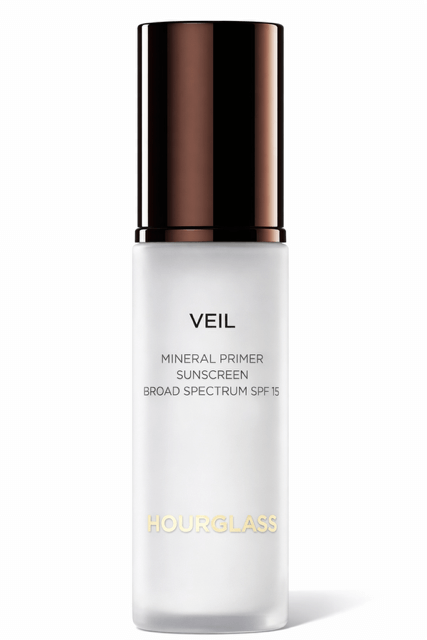
➢ Hourglass Veil Mineral Face Primer
A smoothing primer designed to create a refined surface before foundation is applied. The texture feels silky and lightweight, forming a thin, diffused layer that helps foundation sit more evenly without heaviness. Especially suited for center-face placement when soft-focus refinement is the goal.
No. 2
Hydrating Primer: When Skin Needs Bounce, Not Blur
Hydration changes how foundation moves, not just how it looks.
A hydrating primer under foundation doesn’t erase texture — it restores flexibility to the surface so foundation moves with the skin instead of sitting swiftly on top. When dehydration is subtle, blurring can sometimes exaggerate flatness rather than improve smoothness.
Hydration changes how foundation reflects light. Instead of scattering it in multiple directions, a flexible primer base allows light to return evenly. This is often what makes foundation look smoother without increasing coverage.
when hydration might be the missing layer
- Foundation looks tight by midday
- Fine lines appear more defined after setting
- The perimeter of the face looks dull compared to the center
- Dewy formulas turn uneven instead of luminous
- Blurring products make skin look matte but slightly flat
In these cases, the goal isn’t more diffusion — it’s surface bounce.
why it matters
A smoother finish under foundation depends on movement as much as coverage. When skin maintains subtle flexibility, foundation distributes more evenly and resists catching on dry areas that create visual disruption.
GLOW TIP Apply hydrating primer strategically to areas that lose light first — typically the outer face and the cheekbones. Keep the center balanced so reflection doesn’t become excess shine.
GlamourTip Pick
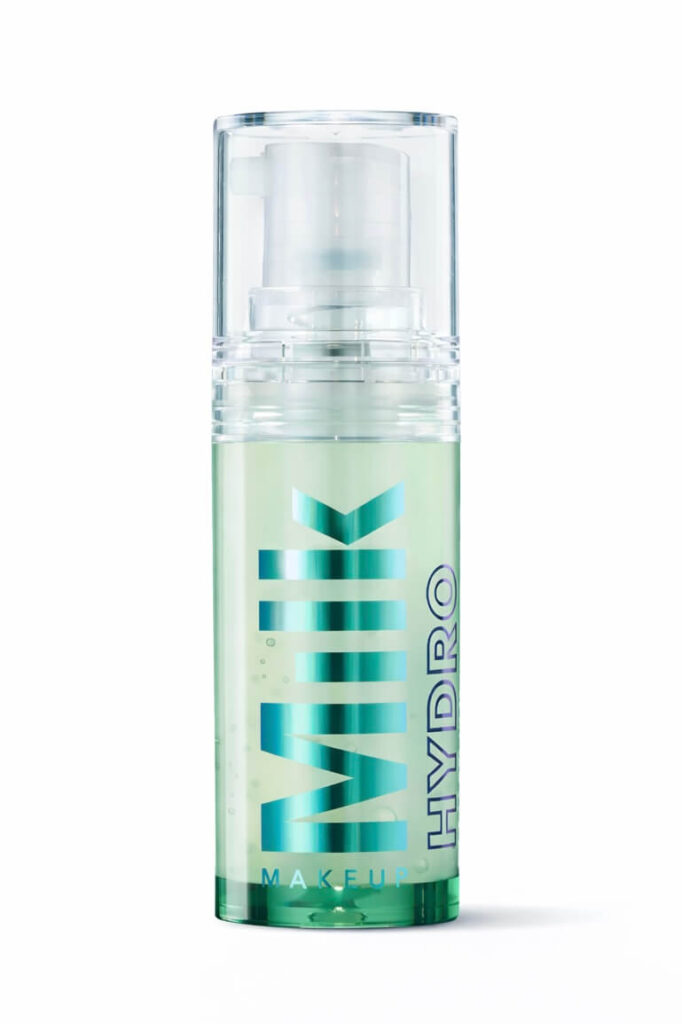
➢ Milk Makeup Hydro Grip Primer with Hyaluronic Acid + Niacinamide
A hydration-focused primer designed to create a flexible base before foundation application. The texture feels gel-like and lightly gripping, helping foundation adhere evenly while maintaining surface bounce. Well suited for outer areas of the face where maintaining smoothness depends on flexibility rather than blur.
No. 3
Pore-Blurring Primer: When Diffusion Creates a More Even Surface
Diffusion changes how texture is perceived before foundation ever sets.
A pore-blurring primer under foundation works by softening the way light reflects off the center of the face. Instead of increasing bounce, it scatters reflection slightly — creating a soft-focus effect that makes uneven areas appear more uniform.
Diffusion May Improve the finish when:
- The T-zone reflects excess shine by midday
- Texture looks more pronounced after foundation sets
- The center of the face photographs flatter than the perimeter
- Shine control reduces dimension instead of refining it
- You want a diffused makeup finish without increasing coverage
Here, smoothness comes from light control. Center-face refinement allows foundation to sit more evenly without needing additional product.
why it matters
A smoother finish under foundation often depends on selective diffusion. When shine is controlled without fully muting reflection, the surface appears balanced rather than matte or flat.
GLOW TIP Press pore blurring primer into T-zone instead of spreading it outward. Keeping diffusion centralized preserves dimension along the outer face.
GlamourTip Pick
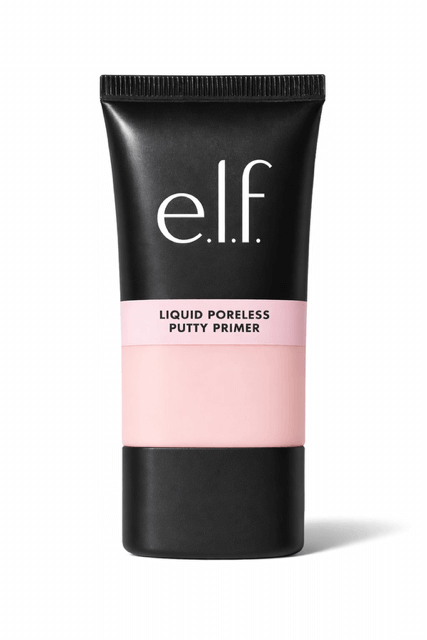
➢ e.l.f. Liquid Poreless Putty Primer
A velvety, balm-style primer that creates a controlled soft-focus effect through the center of the face. When pressed into the T-zone, it subtly diffuses shine without flattening surrounding areas. The finish reads smoother under foundation, especially in natural light where texture tends to stand out more.
No. 4
Strategic Placement: Balancing Reflection and Diffusion
Where you apply primer often matters more than which formula you choose.
Balancing reflection and diffusion creates a smoother finish under foundation without increasing coverage. Instead of committing to one effect across the entire face, placement allows both hydration and soft-focus control to work together.
How to balance reflection and diffusion
- Applying hydrating primer under foundation along the outer face to maintain flexibility
- Pressing pore-blurring primer under foundation into the T-zone for controlled diffusion
- Pressing product into texture-prone areas rather than buffing outward
- Pairing hydrating bases with natural or satin foundations
- Pairing diffused bases with luminous foundations to avoid excess shine
This layered approach prevents flatness while reducing visual disruption. When hydration supports movement and diffusion controls reflection, foundation distributes more evenly.
why it matters
A smoother finish under foundation is rarely created by one product alone. It’s built through relationships — how layers interact, where light hits, and how texture is managed without erasing dimension.
GLOW TIP Think it zones, not formulas. Hydrate where skin needs flexibility. Diffuse where reflection needs control. Blend transitions softly so the surface reads seamless in daylight.
GlamourTip Pick
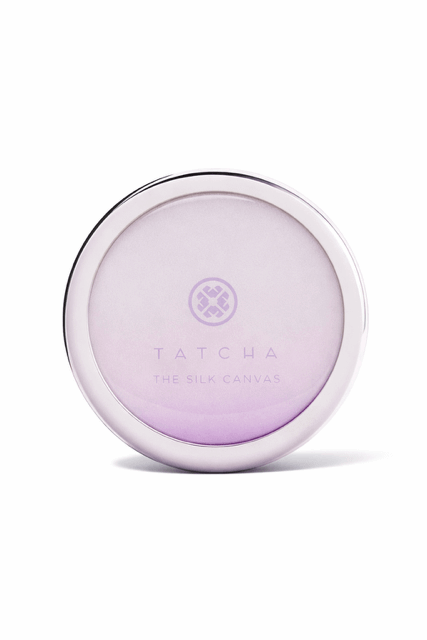
➢ Tatcha The Silk Canvas Poreless Primer
A balm-textured primer designed to create a refined base before foundation. Pressed through the center of the face, it forms a smooth, velvety layer that helps foundation distribute more evenly in areas where reflection tends to read stronger. Ideal for controlled diffusion while preserving dimension along the perimeter.
No. 5
The Natural Light Test: What Looks Smooth, Not Shiny
Indoor lighting can hide imbalance. Natural light reveals it.
A primer base that appears polished under warm indoor light may look overly reflective near windows, while heavy diffusion can read flat once daylight hits the face directly. The difference between smooth and shiny often comes down to how reflection and diffusion were balanced underneath foundation.
signs reflection is out of balance in natural light
- Shine concentrates in the center of the face outdoors
- The perimeter looks dull compared to the T-zone
- Texture reads stronger in daylight than indoors
- A diffused makeup finish looks muted instead of refined
- Foundation appears heavier than it felt during application
Natural light doesn’t exaggerate — it clarifies. When placement is intentional, the surface reads even from multiple angles.
Why it matters
A smoother finish under foundation isn’t about reducing shine entirely — it’s about managing reflection so dimension remains intact while texture reads controlled.
GLOW TIP Before setting your base, check it near a window. If the center reflects more than the perimeter, increase diffusion. if the outer face looks flat, add flexibility instead of powder.
GlamourTip Pick
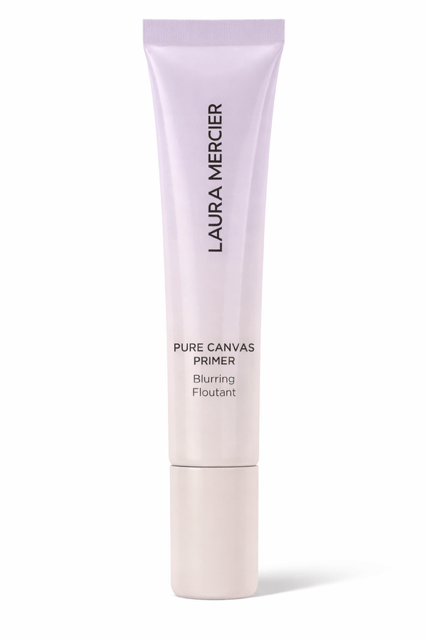
➢ Laura Mercier Pure Canvas Primer (blurring)
A lightweight primer formulated to create a diffused-looking base before foundation is applied. Its airy texture distributes thinly, making it well suited for strategic placement in areas where daylight tends to emphasize reflection. Ideal when the goal is refinement without heaviness.
Final Thoughts — Hydrating vs. Pore-Blurring Primer: Which Creates a Smoother Finish Under Foundation
Smoothness isn’t created by coverage alone — it’s shaped by how light moves across the surface. Choosing hydrating vs. pore-blurring primers becomes a refinement decision: flexibility where skin needs bounce, diffusion where reflection needs control.
Seen together, placement, foundation finish, and light exposure determine the result. When those layers are balanced intentionally, foundation reads polished rather than flat. It becomes consistent in daylight, controlled indoors, and aligned with a glow-forward system that prioritizes structure over excess.
Continue Your Glow Path
Current Stage: Enhancement (II) · Refine
START HERE
Awareness (II) · Learn
Why Hydrating Primers Matter More Than Foundation for Dehydrated Skin

EXPLORE ON
Enhancement (I) · Upgrade
Best Dewy Primers for Glowing Skin: A Base Upgrade for Every Skin Type
Glow doesn’t end here — it evolves. Keep building it, your way.