
Primer is where texture either stabilizes or starts to separate. A silicone-heavy formula can pill over skincare, while one that’s too emollient can slip beneath foundation. Add shifts in oil balance, barrier strength, or climate, and the surface turns uneven before makeup even sets.
When the base layer is misaligned, luminosity loses structure. The best dewy primers for glowing skin aren’t simply about adding shine — they regulate hydration, grip, and light diffusion so the finish stays balanced. At GlamourTip, they’re treated as structural layers that support consistency rather than mask instability.
This guide breaks down the best dewy primers by skin type and how each formula functions within a routine. Together, they reveal which textures support steadier wear, smoother layering, and a finish that upgrades your existing glow-forward routine.
*Some links in this post are affiliate links, which means we may earn a small commission if you choose to shop through them — at no extra cost to you. As an Amazon Associate, we earn from qualifying purchases. Thank you for supporting GlamourTip.
No. 1
Upgrade: Dry Skin That Requires Sustained Hydration
When hydration slips, texture becomes visible.
For dry skin, the best dewy primers for glowing skin are the ones that reinforce hydration before foundation goes on. Without enough hydration moisture beneath the surface, makeup can cling, separate, or emphasize fine texture. A well-formulated hydrating primer cushions the skin first, allowing makeup to glide rather than catch.
Look for dewy primers that prioritize humectants like hyaluronic acid and supportive emollients such as squalane. Lightweight, serum-leaning textures tend to layer more seamlessly than heavy silicone bases. For dry skin, luminosity should feel integrated into the base, not sitting on top of it.
Why it matters
Dewy primer for dry skin isn’t about creating shine on contact. It’s about strengthening the moisture structure underneath so foundation wears more evenly. When hydration is supported at the primer step, makeup appears smoother, softer, and more consistent throughout the day.
APPLICATION NOTE Press primer into drier areas with your fingertips, especially around the cheeks and mouth. This anchors hydration where makeup is most likely to cling.
GlamourTip PICK
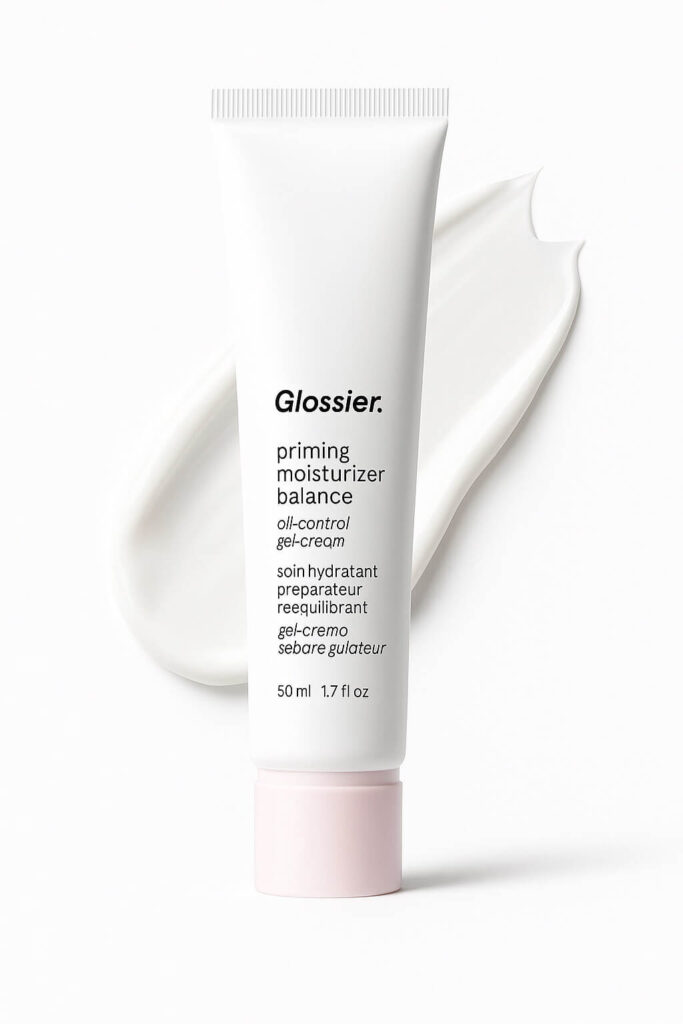
➢ Glossier Priming Moisturizer
This lightweight formula sits between skincare and prep, with a lotion-like texture that layers comfortably under foundation. Hyaluronic acid and shea butter offer flexible hydration that helps soften dry areas without creating excess slip. On dry skin, it supports a smoother, more integrated base that wears evenly throughout the day.
No. 2
Upgrade: Oily Skin That Requires Controlled Luminosity
When oil shifts, reflection becomes unpredictable.
For oily skin, the best dewy primers for glowing skin are the ones that balance light without amplifying shine. Excess sebum can break down foundation, causing slip through the T-zone while other areas remain intact. A well-formulated primer helps regulate that movement so luminosity looks intentional rather than reactive.
Look for lightweight, water-based or gel textures that offer subtle hydration with grip. Ingredients like niacinamide or glycerin can support balance without adding water weight. For oily skin, a dewy finish should diffuse light evenly instead of concentrating it.
why it matters
Dewy primer for oily skin is less about reducing oil and more about directing it. When the base layer provides structure, foundation adheres more consistently and reflection appears controlled across the face. The result is a finish that stays refined instead of separating by midday.
APPLICATION NOTE Apply a thin primer layer through the center of the face first, then blend outward. Keeping the T-zone lighter helps maintain balance while still supporting luminosity elsewhere.
GlamourTip PICK
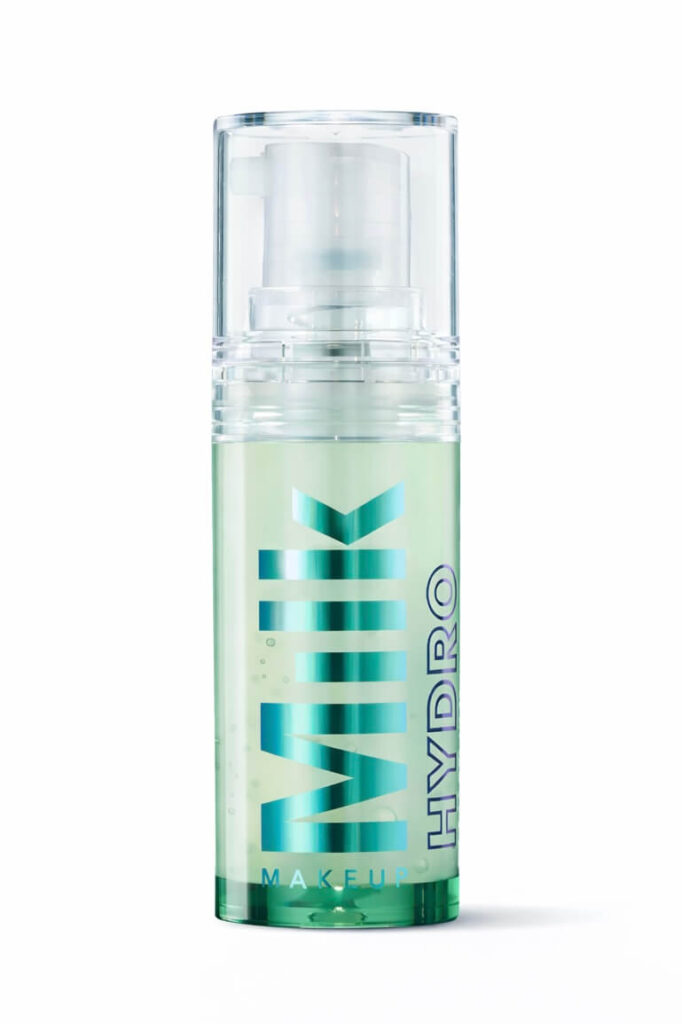
➢ Milk Makeup Hydro Grip Primer with Hyaluronic Acid + Niacinamide
This lightweight gel primer sits comfortably between skincare and makeup, offering a breathable layer that doesn’t overwhelm oil-prone areas. Its subtle light-reflecting pigments and flexible hydration create a diffused finish rather than a glossy one. On oily skin, it supports a more even, controlled glow that holds through wear.
No. 3
Upgrade: Combination Skin That Requires Targeted Balance
When different zones behave differently, one formula has to do more.
For combination skin, the best dewy primers for glowing skin are the ones that adapt without overwhelming either side of the face. The T-zone may break down foundation by midday, while cheeks or jawlines need added hydration. A balanced primer creates continuity so luminosity looks even across zones.
Lightweight, flexible textures tend to perform best here. Look for formulas that feel breathable rather than dense and that offer subtle hydration without excess slip.
What to prioritize When choosing a primer for combination skin
- Water-based or gel-cream textures
- Light humectants like glycerin
- Soft-focus or diffused finishes instead of high-shine
For combination skin, the goal isn’t control — it’s cohesion.
why it matters
Dewy primer for combination skin works best when it equalizes the surface before foundation is applied. Without that balance, one area can absorb product while another reflects too much light. A well-aligned base helps makeup wear consistently so the finish feels intentional across the entire face.
APPLICATION NOTE Apply primer first to drier areas, then use what remains to lightly press through T-zone. Allowing it to settle briefly before foundation helps minimize uneven absorption.
GlamourTip Pick
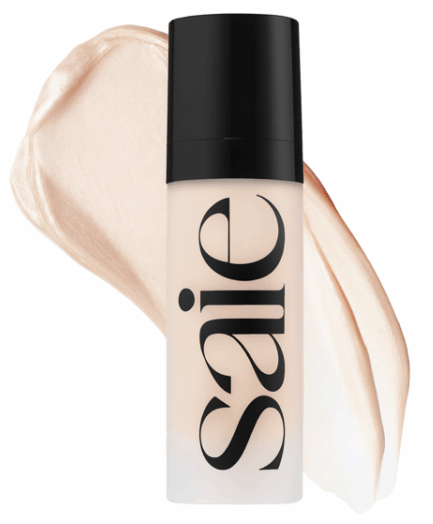
This lightweight gel primer offers flexible hydration with a breathable texture that sits comfortably across mixed zones. Light reflecting pigments create a diffused finish rather than concentrated shine, helping combination skin maintain balance without masking contrast. It supports a more unified, adaptable base that wears evenly.
No. 4
Upgrade: Sensitive Skin That Requires Low-Reactivity Formula
When skin is reactive, less structure often works better.
For sensitive skin, the best dewy primers for glowing skin are the ones that support hydration without introducing friction. Fragrance, essential oils, and overly slick textures can compete with an already delicate barrier. A well-chosen primer should feel minimal, offering light support rather than noticeable coverage.
Look for short ingredient lists and calming, hydration-forward elements like aloe, squalane, or glycerin. Lightweight liquids and soft gels tend to layer more comfortably than dense creams. For sensitive skin, luminosity should feel quiet and integrated, not amplified.
why it matters
Dewy primer for sensitive skin works best when it reduces interference. Even subtle reflection can feel like too much if the barrier is compromised or layered with active skincare. A balanced base helps foundation sit smoothly while maintaining comfort underneath.
APPLICATION NOTE Allow skincare to fully absorb before applying primer. Pressing product gently into the skin instead of swiping helps reduce friction and minimize the risk of pilling or irritation.
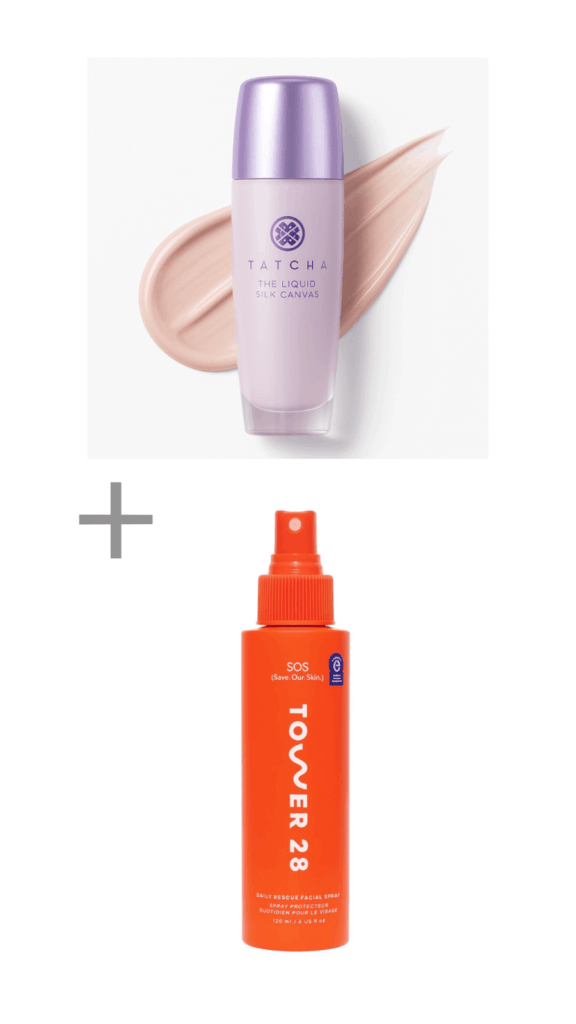
GLAMOURTIP (+) DUO PICK
➢ Tower 28 SOS Daily Rescue Facial Spray
For sensitive skin, primer often benefits from a calming first step. Tower 28’s alcohol-free SOS Spray uses hypochlorous acid to help reduce visible redness and support a reactive barrier before makeup. Tatcha’s Liquid Silk Canvas follows with a lightweight, satin-finish layer that smooths without feeling occlusive. Together, they create a more even, low-friction base that maintains comfort while allowing light to reflect softly.
No. 5
Upgrade: Mature Skin That Benefits from Flexible Texture
When texture evolves, light needs to move differently.
For mature skin, the best dewy primers for glowing skin are the ones that diffuse light without settling into fine lines. As skin shifts in elasticity and moisture levels, heavier or silicone-dense formulas can sit on the surface rather than adapt to it. A well-matched primer should feel breathable and flexible, allowing foundation to move naturally throughout the day.
Look for satin or soft-focus finishes instead of visible shimmer. Ingredients like squalane or peptides can support suppleness, while lightweght emulsions tend to layer more comfortably than thick creams. For mature skin, luminosity should create dimension, not exaggeration.
Why it matters
Dewy primer for mature skin is all about controlled reflection. When texture remains flexible and light is softly diffused, the finish appears smoother and more dimensional. The goal is polish that moves with the skin rather than sitting on top of it.
APPLICATION NOTE Try blending a small amount of primer into foundation before applying. This can soften coverage, reduce buildup in textured areas, and help maintain a more fluid finish.
GlamourTip Pick
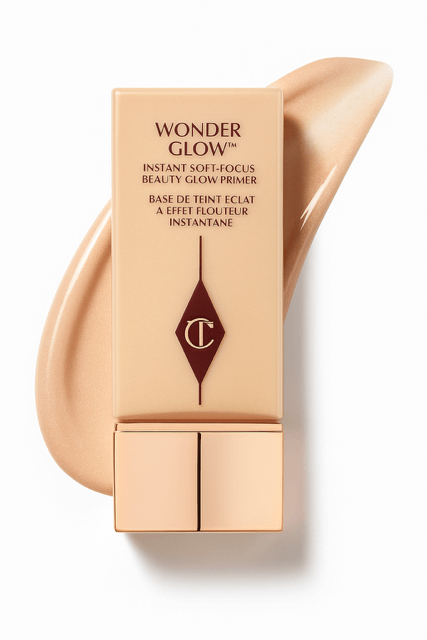
➢ Charlotte Tilbury Wonderglow Face Primer
This light-diffusing primer leans satin rather than shimmer, creating subtle reflection without emphasizing fine lines. The texture blends easily and feels flexible on the skin, while ingredients like squalane and peptides support softness beneath makeup. On mature skin, it contributes to a polished, dimensional finish that adapts rather than settles.
Enhancement Notes: Applying Your Dewy Primer
- Allow skincare to fully absorb before applying primer. Layering too soon can lead to pilling, especially over richer moisturizers or serums.
- Press primer into the skin rather than swiping. Gentle tapping helps it settle more evenly across texture and drier areas.
- Use less than expected. A pea-sized amount is often sufficient; excess product can disrupt foundation or create slippage.
- Adjust by zone. A more luminous texture on the cheeks and a lighter, refined layer through the T-zone can maintain balance on combination or reactive skin.
Final Thoughts: Glow Starts Here: Best Dewy Primers for Glowing Skin: The Right Pick for Every Skin Type
The best dewy primers for glowing skin are less about adding shine and more about aligning texture, hydration, and light. When the surface is supported from the start, reflection looks balanced and foundation wears more evenly From there, refinement become a matter of technique — adjusting placement and layering to shape how luminosity moves across the skin.
Continue Your Glow Path
Current Stage: Enhancement (I) · Upgrade

LEVEL UP
Enhancement (II) · Refine

Hydrating vs. Pore-Blurring Primer: Which Creates a Smoother Finish Under Foundation
Glow doesn’t end here — it evolves. Keep building it, your way.